


Why Marketing Insights Need Ongoing Conversation, Not One-Off Surveys

Marketing teams have never had more data about their customers, and never felt further from actually understanding them. Campaign metrics, social engagement, first-party signals, open-ended feedback. It all pours in, and yet the basic question stays stubbornly hard to answer: what do our customers actually want — and why?
That gap is the subject of an article from Paula Catoira, our CMO at Rival Group, published in Advertising Week. Her argument will feel close to home for anyone who runs a market research or consumer insights function: the way people communicate has changed completely, and most feedback systems haven't kept up. For insights professionals, that disconnect isn't a marketing problem. It's a data quality problem.
Why traditional surveys aren't working for modern marketing teams
Most customer feedback processes (think standardized NPS or CSAT surveys) were built for efficiency and scale. Standardize the questions, simplify the analysis, keep reporting manageable across a big audience. That structure still earns its place when you need measurable feedback across broad groups. But it assumes people communicate in neat, predictable, one-shot exchanges. They don't.
"People move between messaging apps, social platforms, voice notes, videos, comments and group chats throughout the day, often carrying conversations across several formats at once," Paula observes. "Reactions happen quickly, conversations unfold in fragments and context develops over time instead of through long, carefully structured exchanges."
If you've analyzed survey feedback, you've probably seen open-ends sometimes contradict what transactional or behavioral data is telling you. The messiness isn't noise to be cleaned out. For marketing teams, that space is actually where nuance — and the real insight — lives.
” Many organizations still rely on customer feedback approaches built around static interactions and predefined formats. That disconnect can make it harder to capture the nuance, context and evolving perspectives that shape how people actually experience brands.
Paula Catoira, CMO, Rival Group
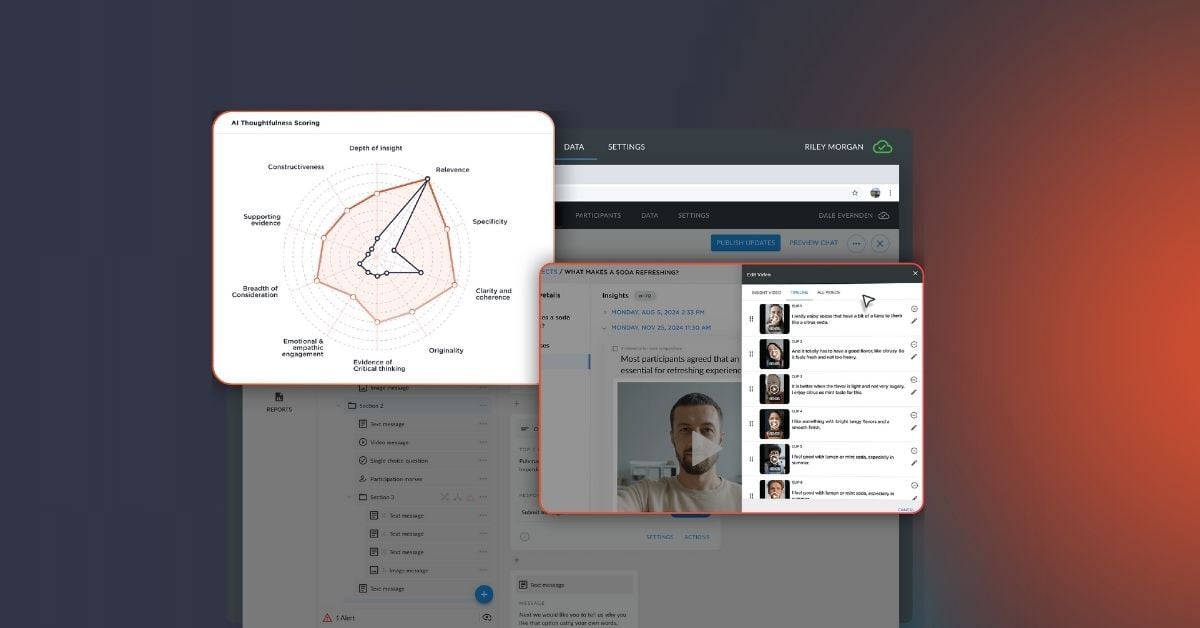
This is why a traditional quant and NPS surveys often underperform for marketing teams that want true customer insights. On their own, they don't reveal the truth about your customers — what their motivations are, unmet needs, etc. And because consumers often speed through these traditional surveys, it's hard to be really confident about the quality (or thoughtfulness) of the responses.
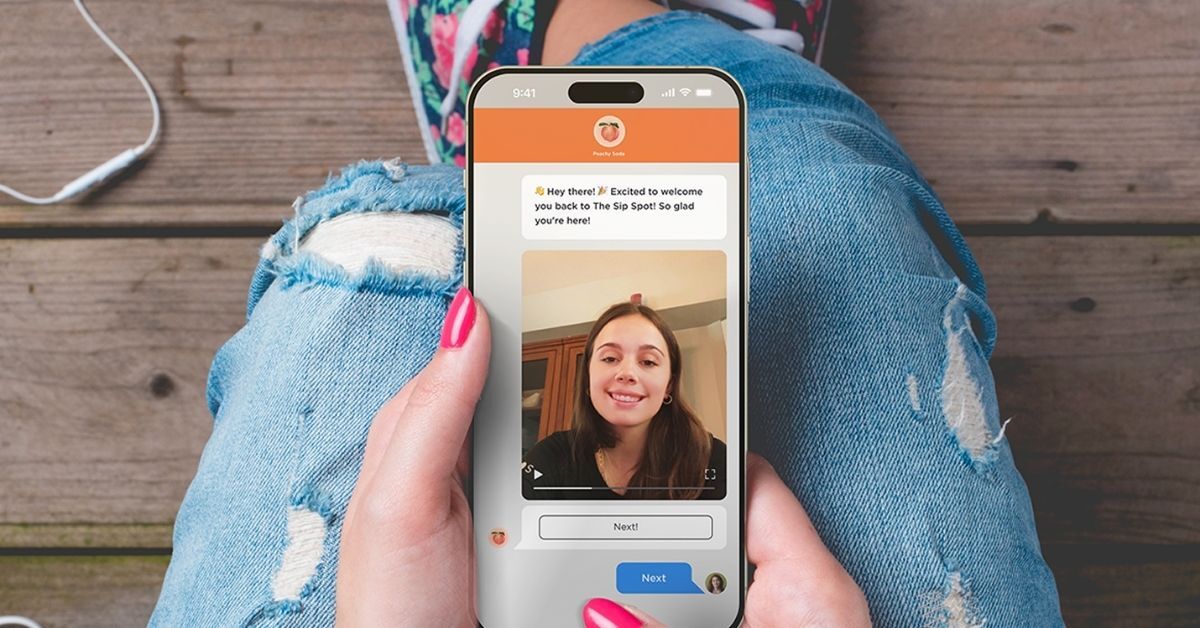
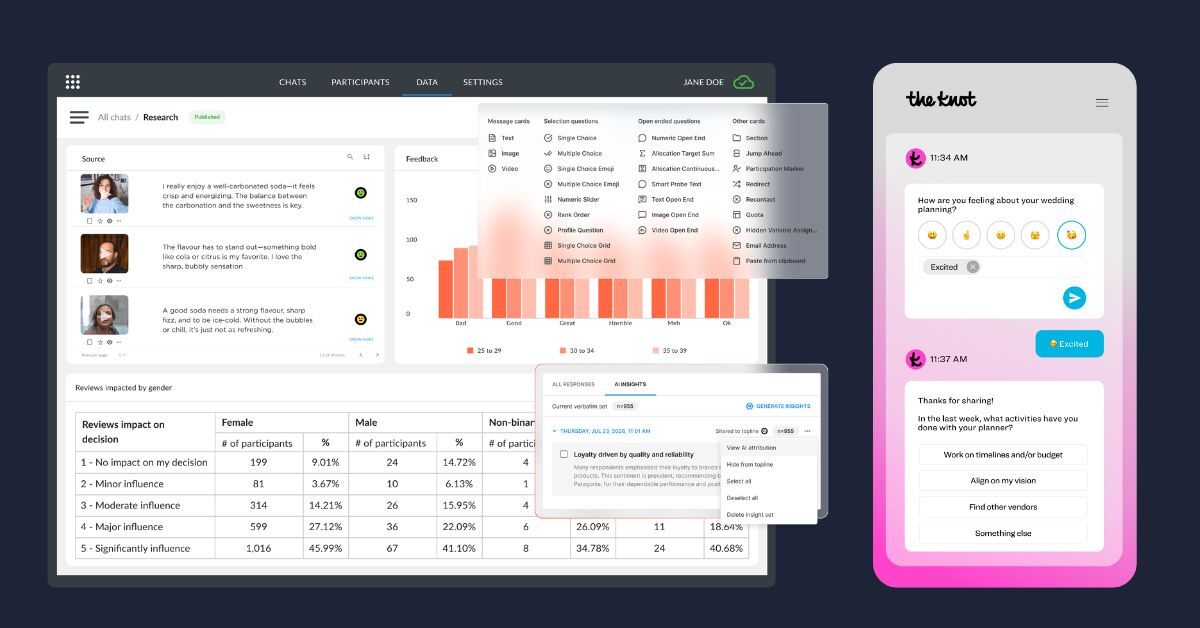
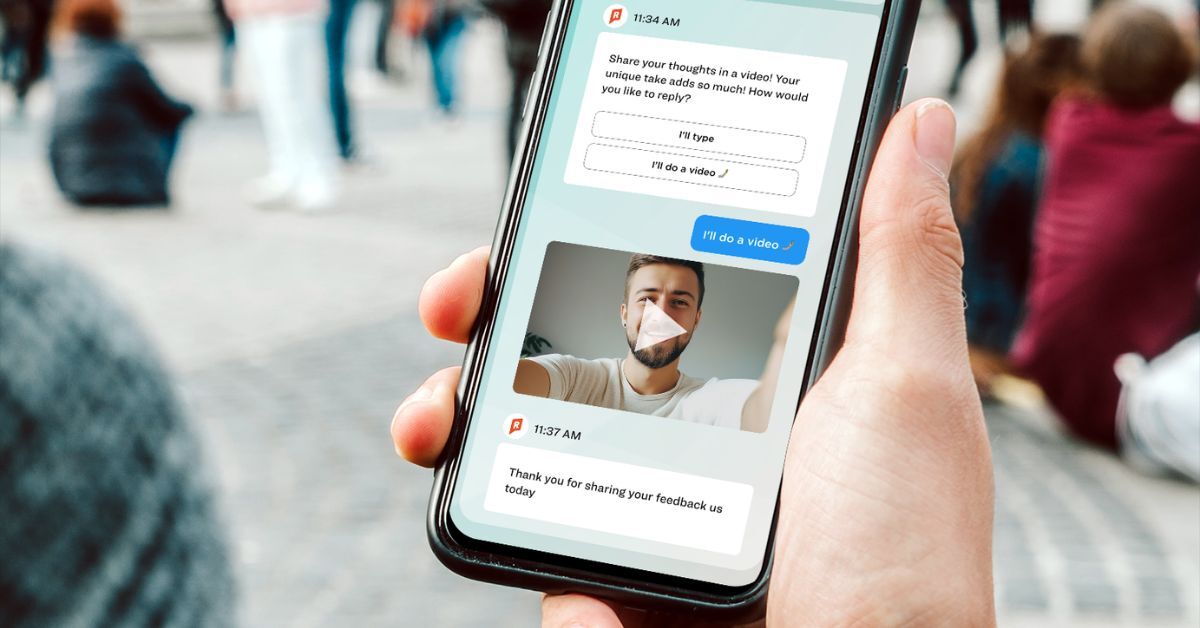
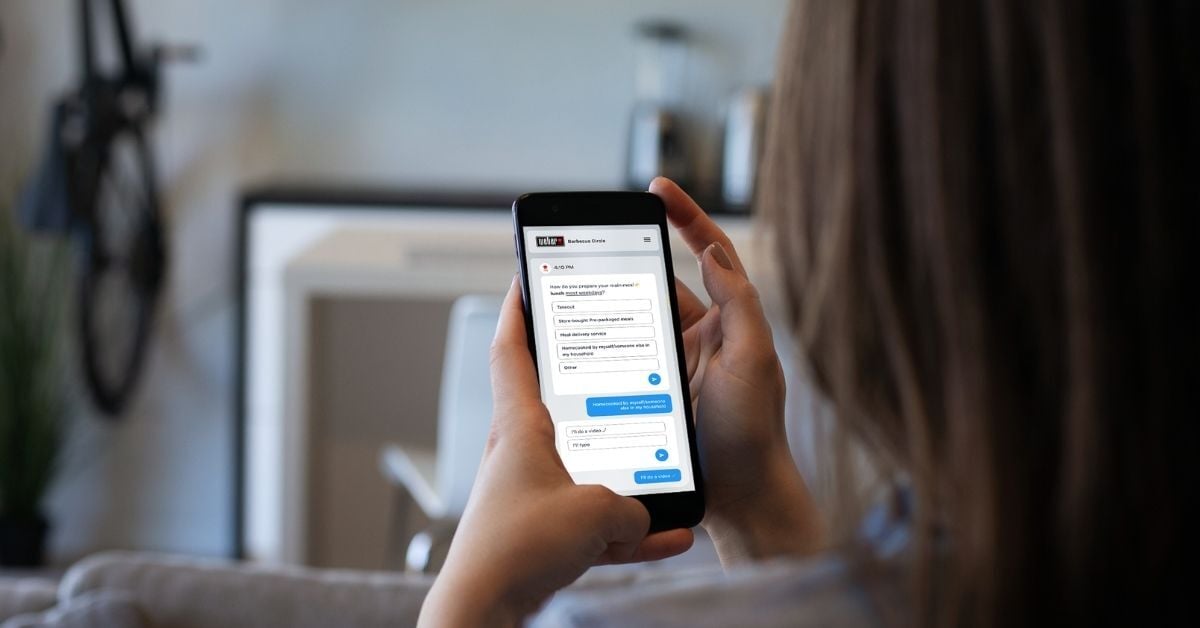
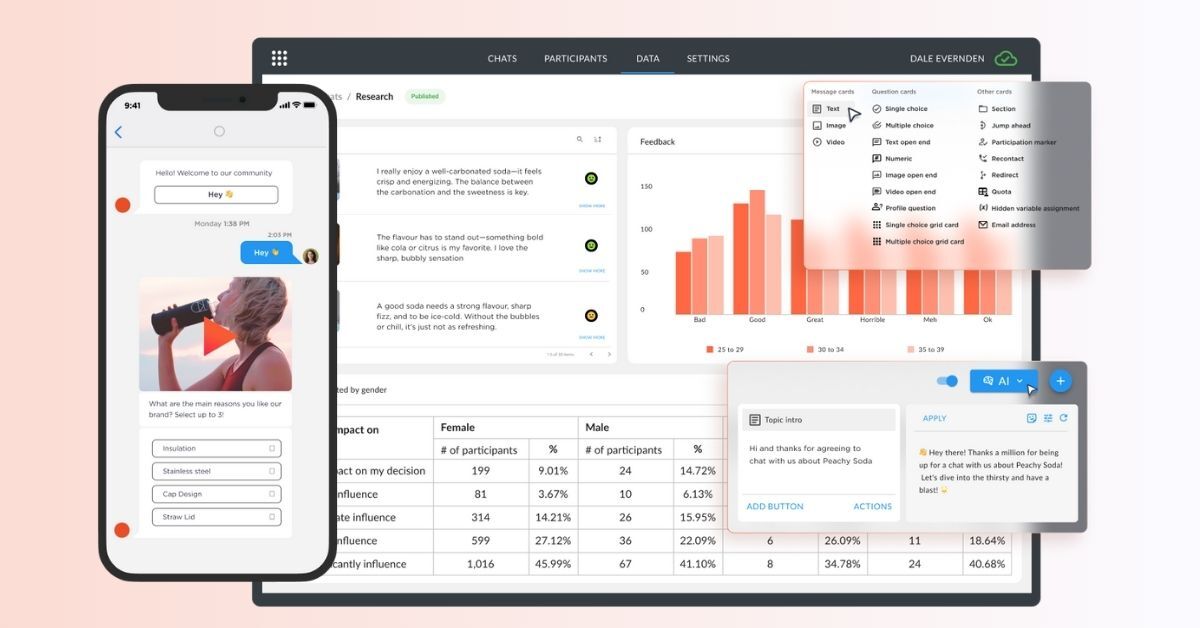
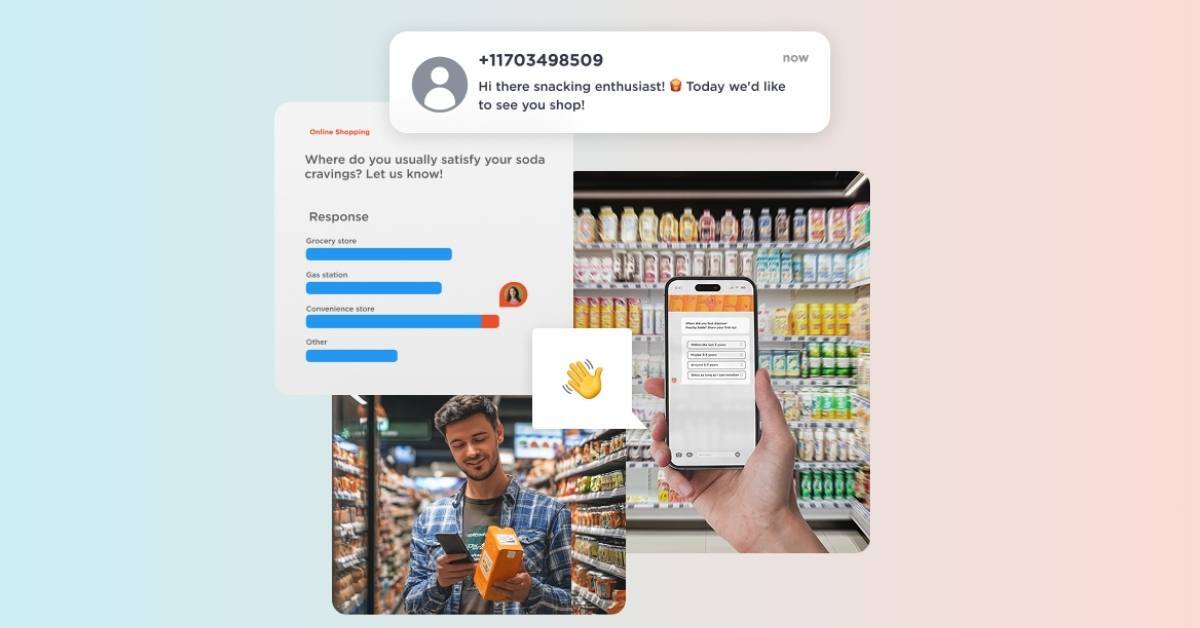
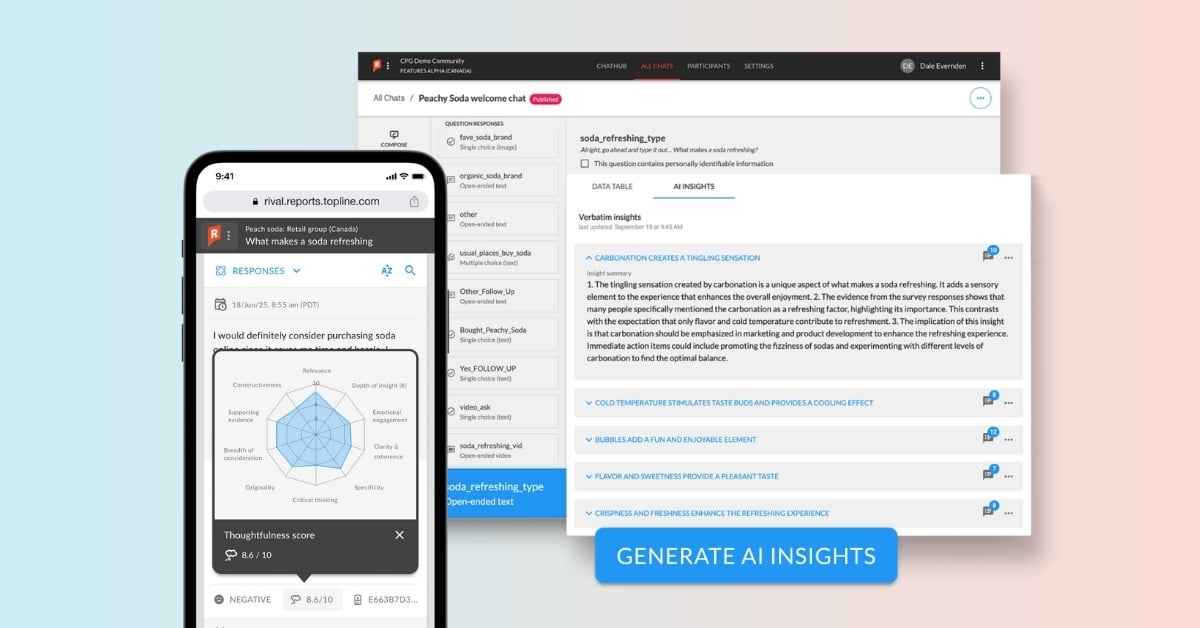
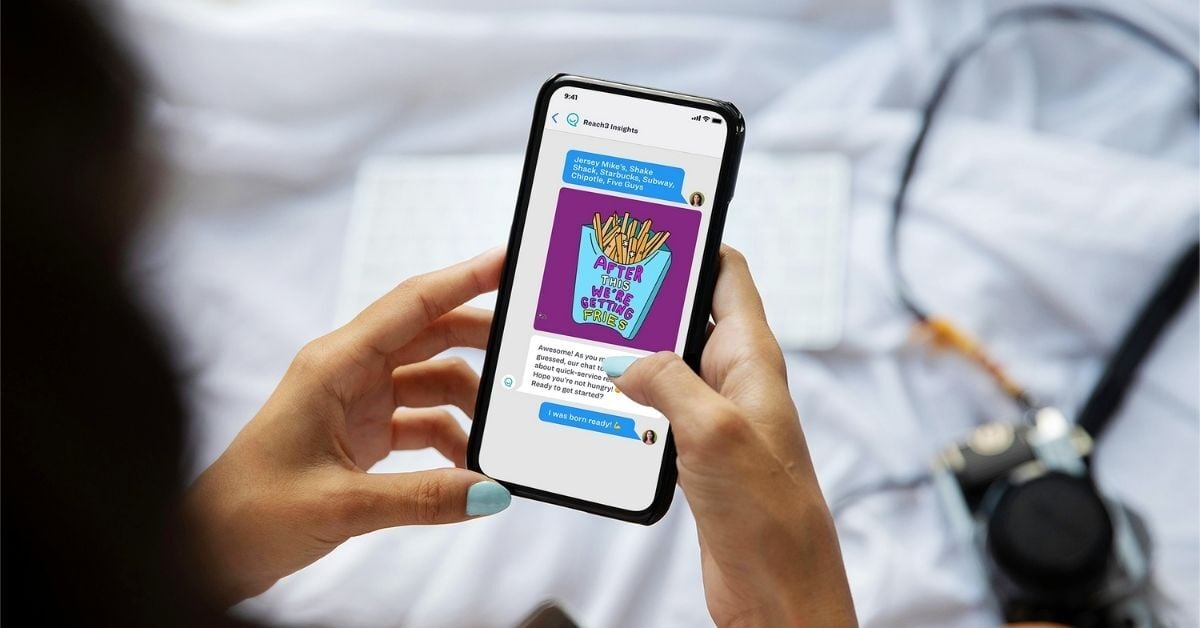
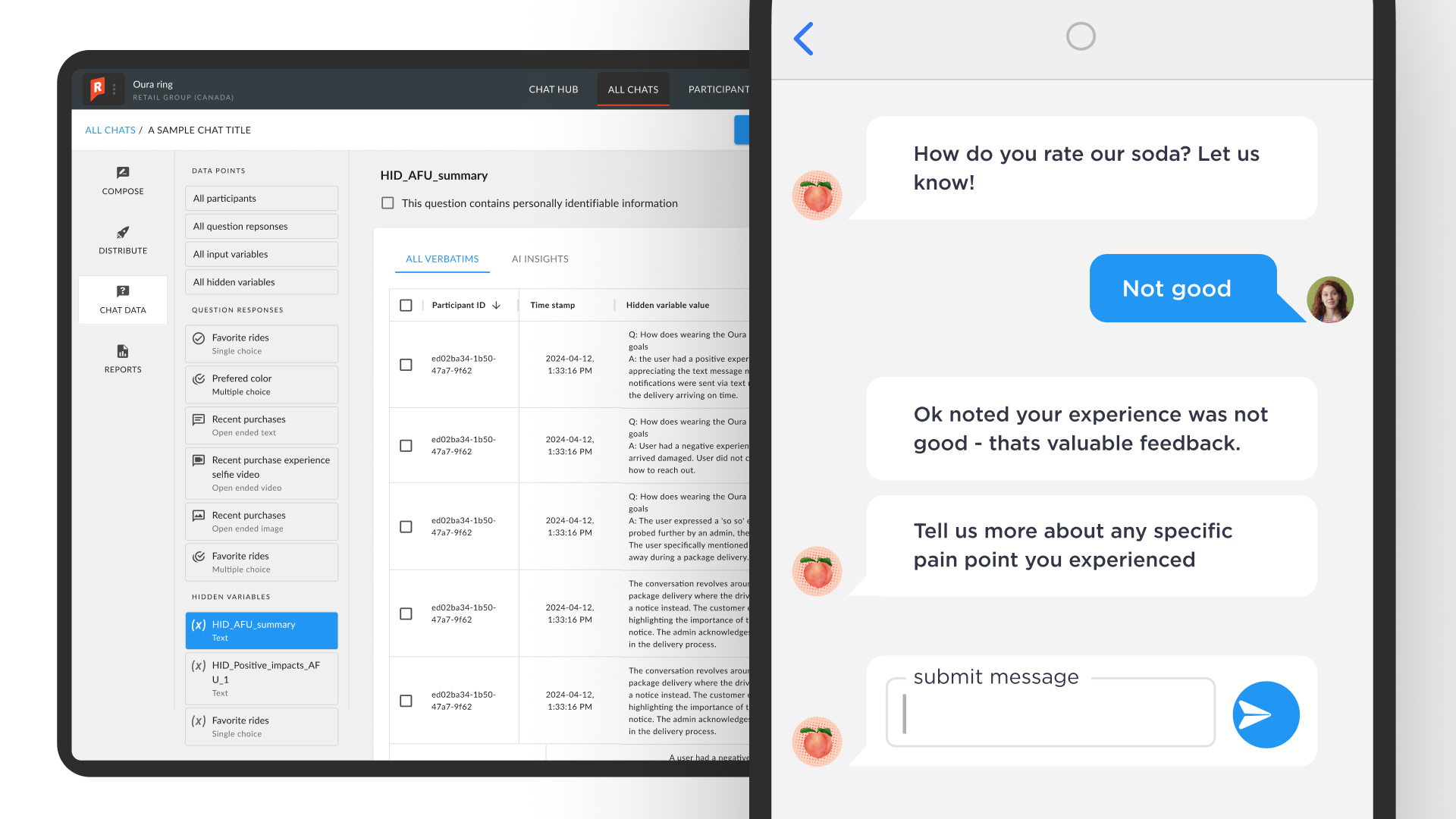
This gap in traditional research is a big part of why conversational research has gained traction in the insights industry. It's research that's designed to meet people where they are, mimicking modern communication methods. The experience lands with modern consumers (from Gen Z all the way to Boomers), but more importantly, it delivers 8x deeper insights and more thoughtful responses. The kind of feedback marketers need to really understand consumers today.
Learn the impact of conversational research
on experience, data quality and more
get the research
What Gen Z communication habits reveal about customer feedback
The most relatable moment in the piece comes from Paula's own house. Her kids rarely touch email. And their conversations with friends and family are fluid across different channels and devices.
"They move constantly between platforms without thinking much about where one interaction ends and another begins," Paula observes. "Those expectations around communication and interaction do not suddenly disappear when people engage with brands."
The behavior that Paula is describing is not just a Gen Z or Gen Alpha thing — in fact, it's applicable to all. It's the new baseline for how everyone expects to interact, and it's already reshaping what participants tolerate.
When a feedback experience feels rigid or disconnected from normal conversation, engagement turns transactional. Answers get shorter. Nuance evaporates. The context you most needed never surfaces. Our own research on Gen Z has shown that gaining their trust requires really understanding them and meeting them in their own terms. We need to apply this not just in the way we reach them for marketing purposes, but also in the way we engage them for feedback.
Why customer understanding rarely comes from a single survey response
Many marketing teams treat customer and market research as an ad hoc thing. A side project, as something optional. Paula
"People don't always know exactly what they think the moment they're asked," Paula points out. "Customer understanding develops over time. Giving people opportunities to revisit, clarify and build on what they’ve already shared can reveal context that a single interaction never could."
Does this mean marketing teams should abandon customer surveys or other forms of getting structured feedback? Absolutely not. These initiatives still give you an essential view of the market. Paula's point is that customer understanding rarely comes from one response viewed in isolation. A comment that seemed minor becomes significant once a pattern emerges across other conversations. A survey answer raises new questions that only surface after teams sit with what they heard. Sentiment itself moves depending on timing, environment and prior experience with the brand.
The more room you build for follow-up and ongoing dialogue, the more of that context you catch. This is the logic behind insight communities — a way for researchers and marketers to engage the same group of consumers over time. It's quicker and more cost-effective than an ad hoc approach (companies like Warner Bros. Discovery and Evenflo report increasing their research capacity by up to 4x using the same budget), but the bigger advantage is iterative learning and relationship building. These are benefits that business leaders and CMOs care about because they help drive revenue growth.
How ongoing dialogue surfaces deeper customer insights
Some of the best questions don't appear until after someone has answered the first one. That's the practical takeaway. An initial response is valuable, but the useful context often arrives later, once a participant has had the chance to reflect, clarify or expand on an idea.
Brands are already acting on this. Product launches, loyalty programs and customer communities all create natural reasons to revisit the same people over time instead of treating every interaction as a standalone event. The teams getting this right treat feedback less like a transaction and more like a conversation that's allowed to continue, an approach that pairs well with keeping a human in the loop as those conversations deepen.
Get ongoing, iterative
insights with your own community.
learn how
Closing the conversation gap in modern marketing
The conversation gap isn't really about channels or formats. It's about time. Customer understanding develops, and a single interaction freezes it at one moment.
"Giving people opportunities to revisit, clarify and build on what they've already shared can reveal context that a single interaction never could," Paula concludes.
So the next time a study wraps and the report ships, it's worth asking a different question than "what did we learn?" Ask "what would we hear if we kept the conversation going?" That's usually where the insight you were actually looking for has been waiting.





























.jpg)






















.jpg)










-1.jpg)




.jpg)

.jpg)