


Some brands talk about being consumer-obsessed. Weber actually lives it — and has since 1952, when founder George Stevens literally leaned over his backyard fence to get product feedback from his neighbor. So when Weber's insights team decided it was time to turn up the heat on how they ran their global insights communities called Barbecue Circle, they weren't just looking for another vendor. They were looking for a better way to keep that founding spirit alive at scale.
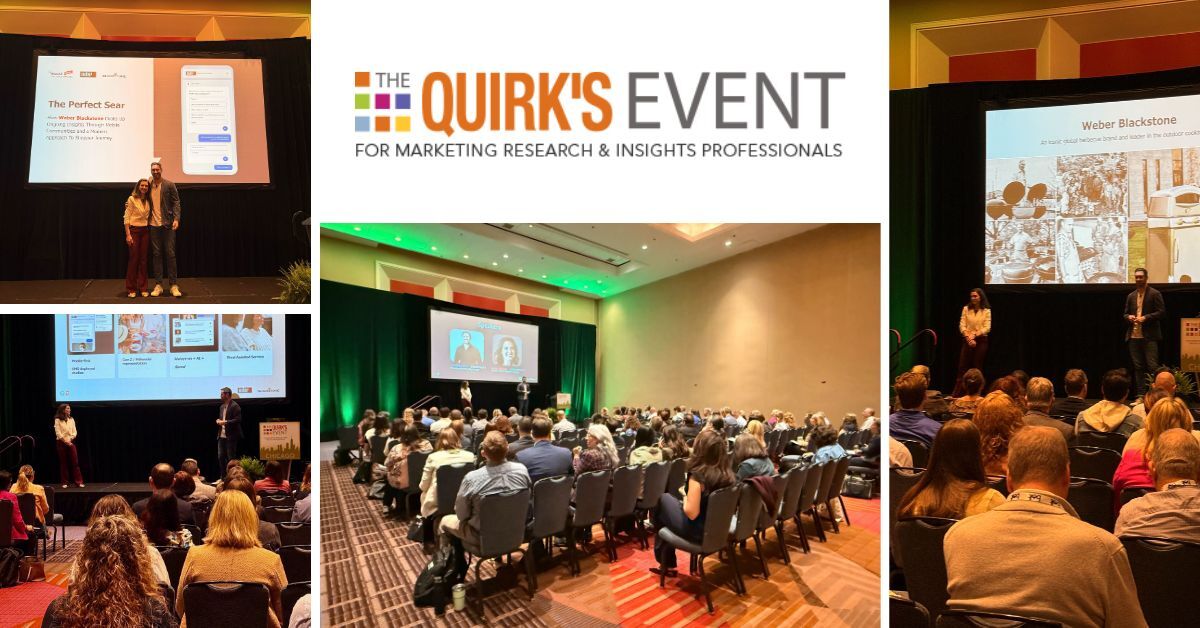
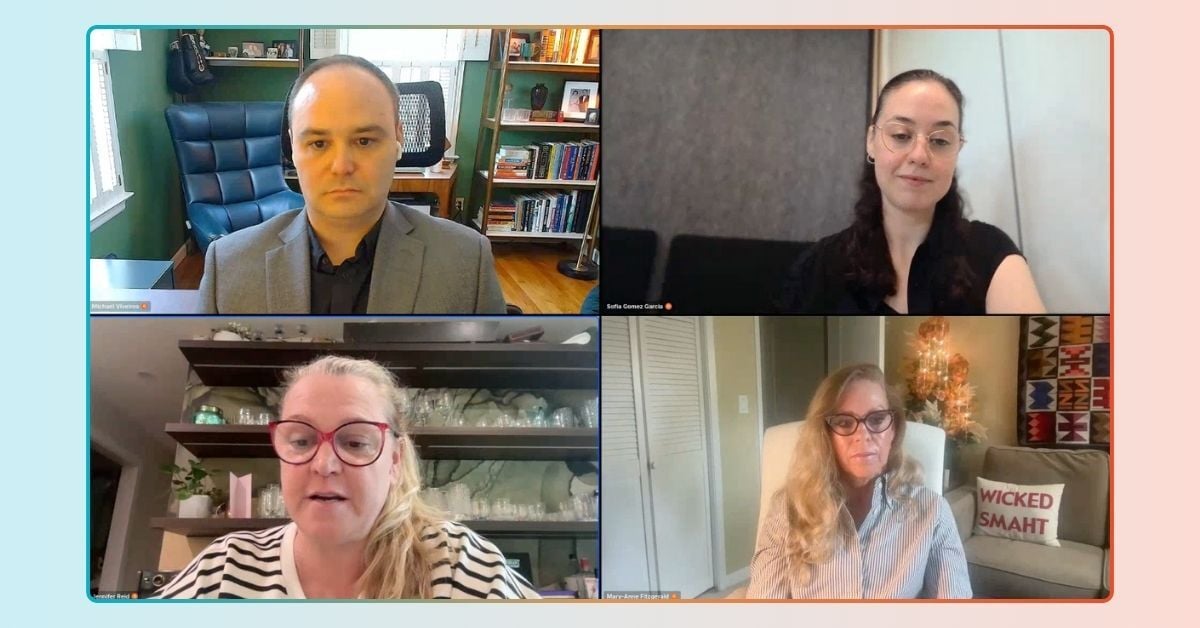
In a recent webinar, "Adding Sizzle to Research: How Weber Uses Global Insight Communities to Inform Business Decisions," Weber's Rushan Theunis, Senior Manager of Consumer Insights, and Laura Ammigan, Director of Global Insights and Analytics, shared what they've learned building and running Barbecue Circle across four markets. Jennifer Reid, Co-CEO and Chief Methodologist at Rival Group, joined to moderate the conversation.
From a vendor to a partner: Finding the right insight community provider
Before getting into the lessons, a little context: Barbecue Circle didn't start with Rival Technologies. Weber had been running insights communities for several years with a legacy research company when a few persistent problems started getting hard to ignore.
Survey responses were skewing heavily toward older consumers, with Gen Z and millennial grill owners becoming increasingly disengaged. The team also needed more support as they had less bandwidth following headcount reductions. Finally, Weber's fast-growing Australian market had no insights community of its own, leaving a steady stream of research questions with nowhere to go.
Something needed to change.
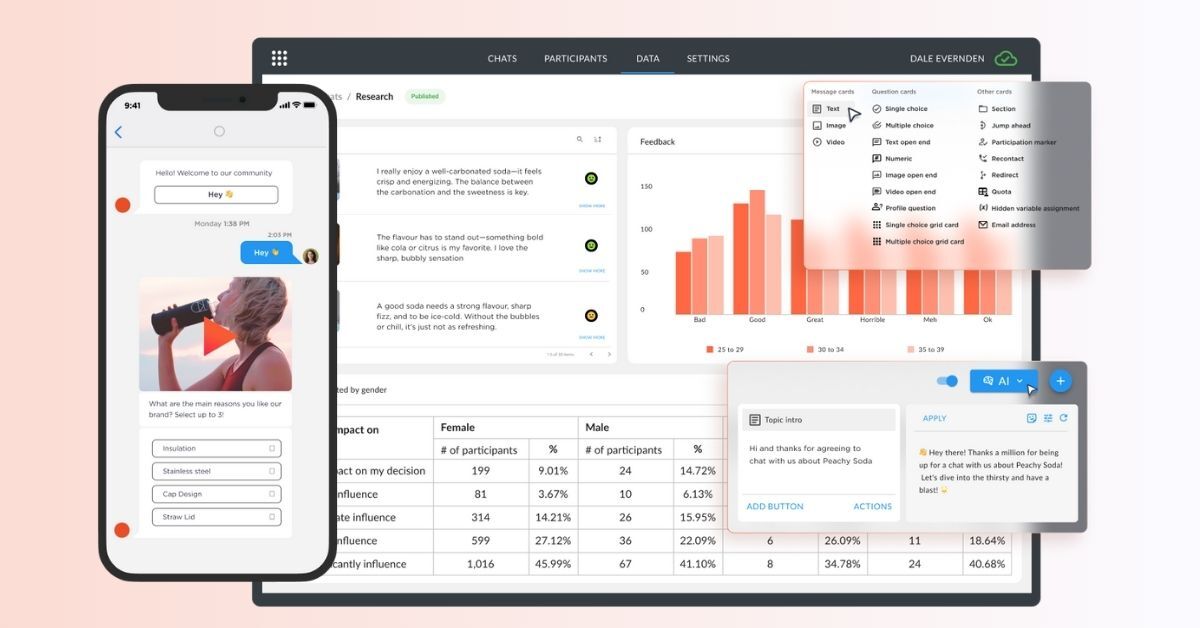
When Weber came across the Rival platform, a few things clicked immediately. The conversational, mobile-first survey format felt like a natural fit for a younger audience that lives on their phones. Social-first recruitment opened up new channels to find harder-to-reach grill owners. And Rival's managed service model meant Weber's lean team wouldn't be doing it all alone.
The switch paid off. Today Barbecue Circle spans four markets, boasts over 4,000 members, and maintains a 92% survey completion rate — well above Rival's benchmarks. Through a strategic approach to recruitment, their communities engage both customers and non-customers — a soft "branded" approach that gives the team more flexibility on the type of research use cases to run.
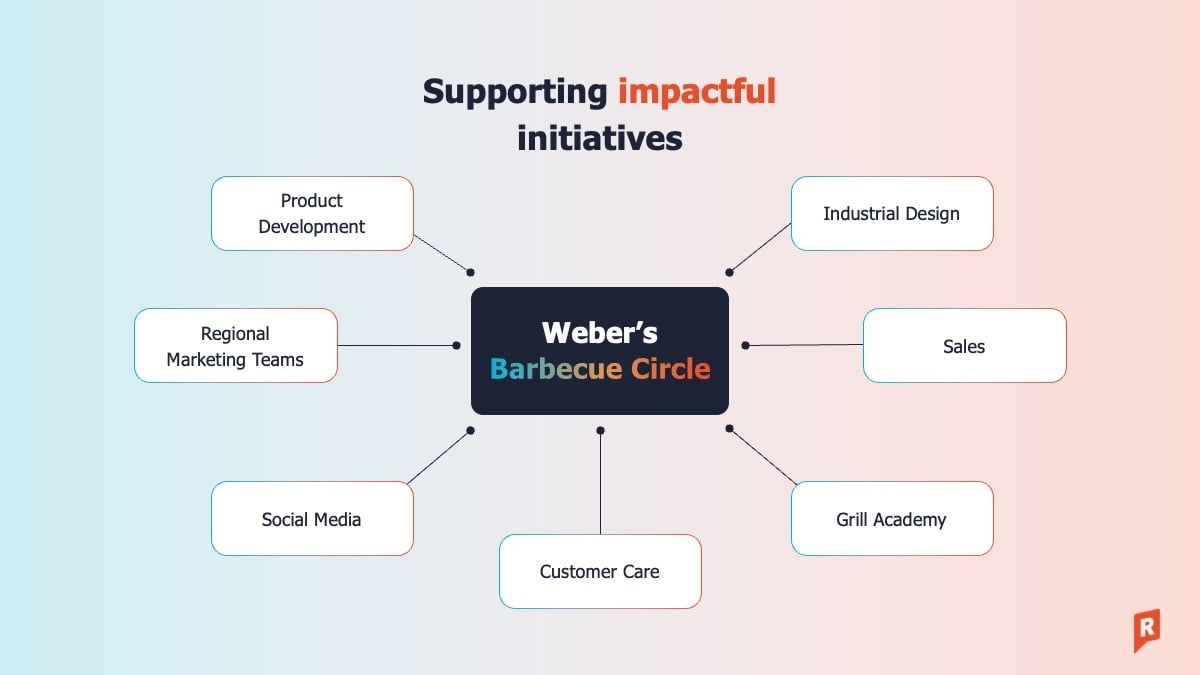
Most importantly, Barbecue Circle has grown from a research tool into one of Weber's most cross-functional business assets, regularly informing decisions in product development, marketing, sales, customer care, and industrial design. Here's how they got there.
.svg)
5 lessons for insights team from Weber
1. Make it feel like a conversation, not a survey
Grilling is inherently social. It's weekends with friends, holidays with family, and the deeply satisfying moment when something comes off the grates perfectly. Weber's communities needed to feel like an extension of that — not like homework.
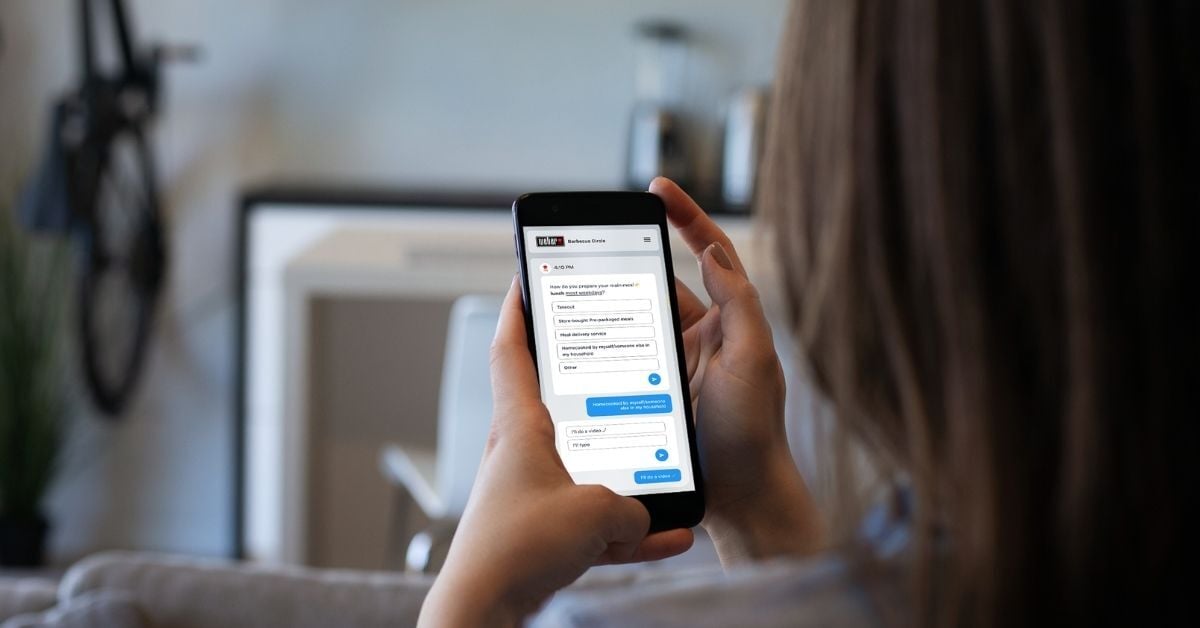
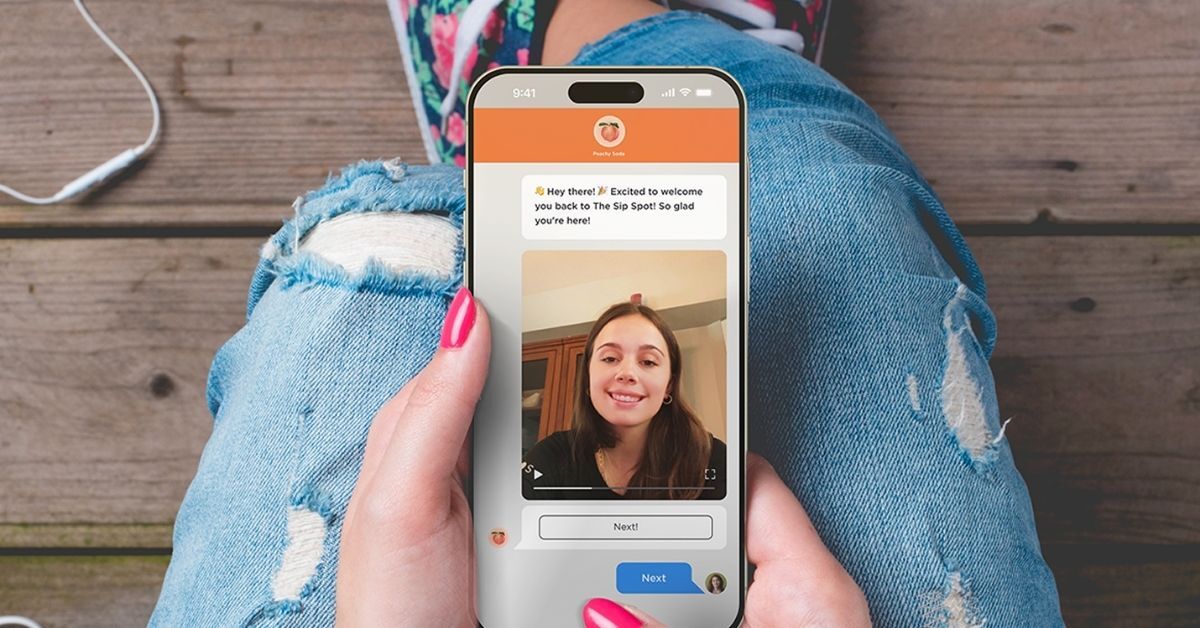
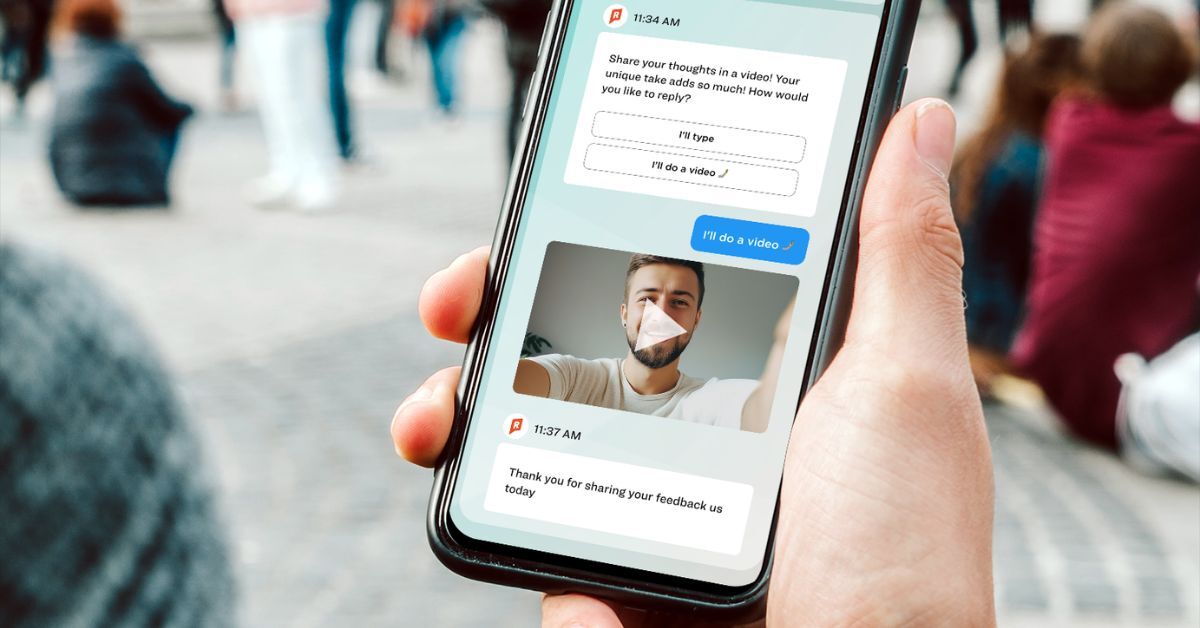
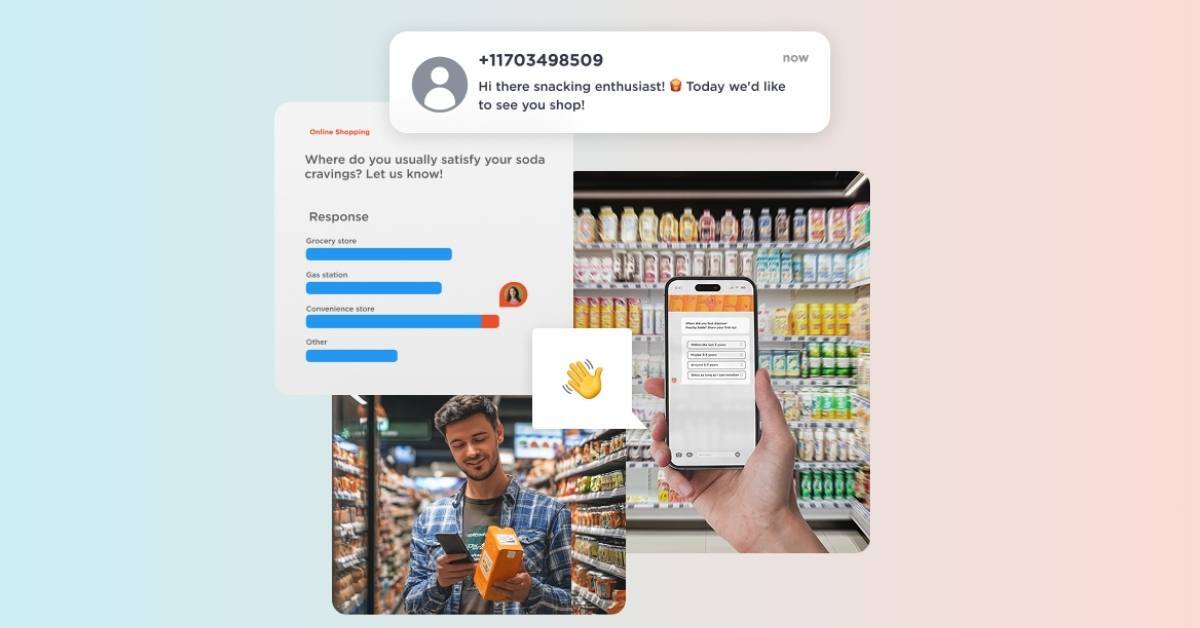
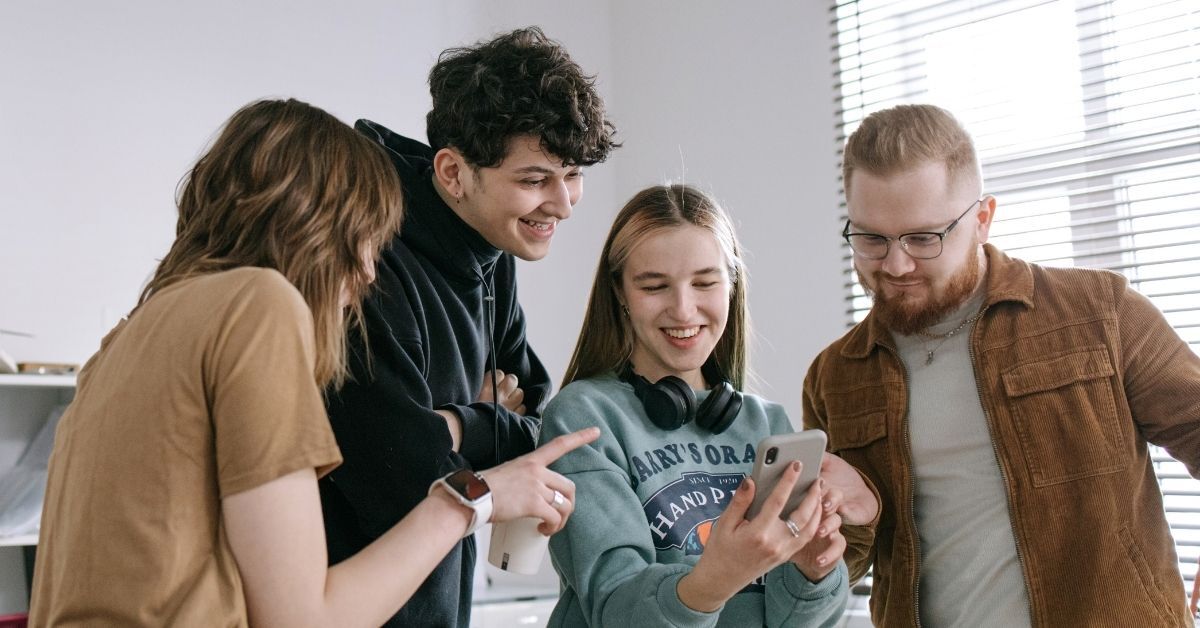
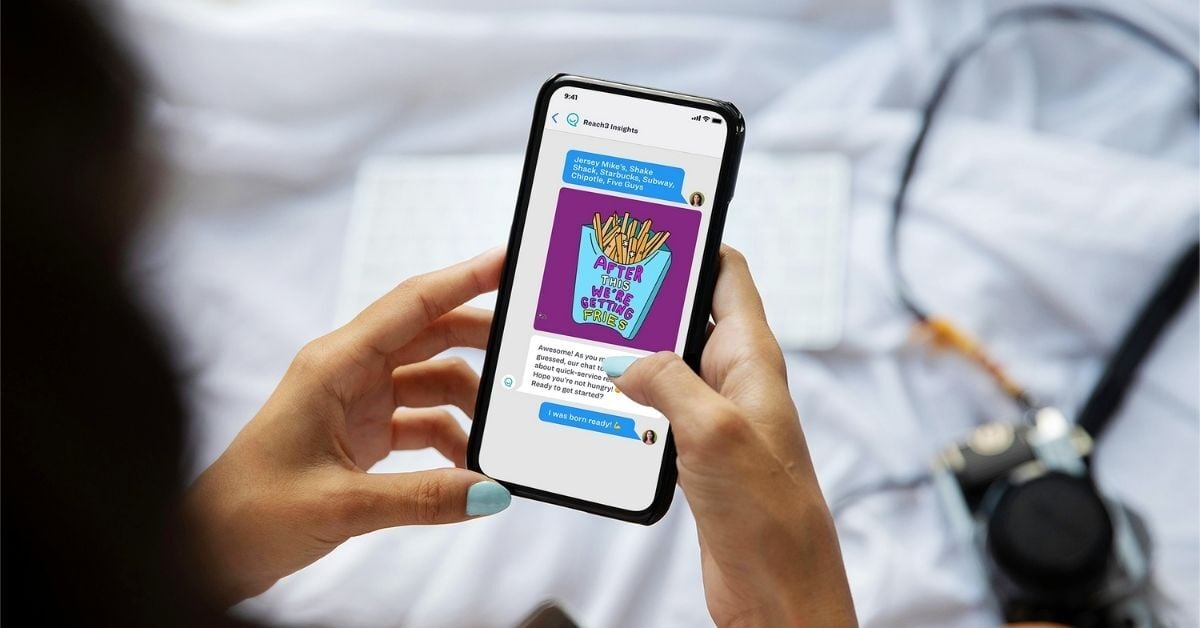
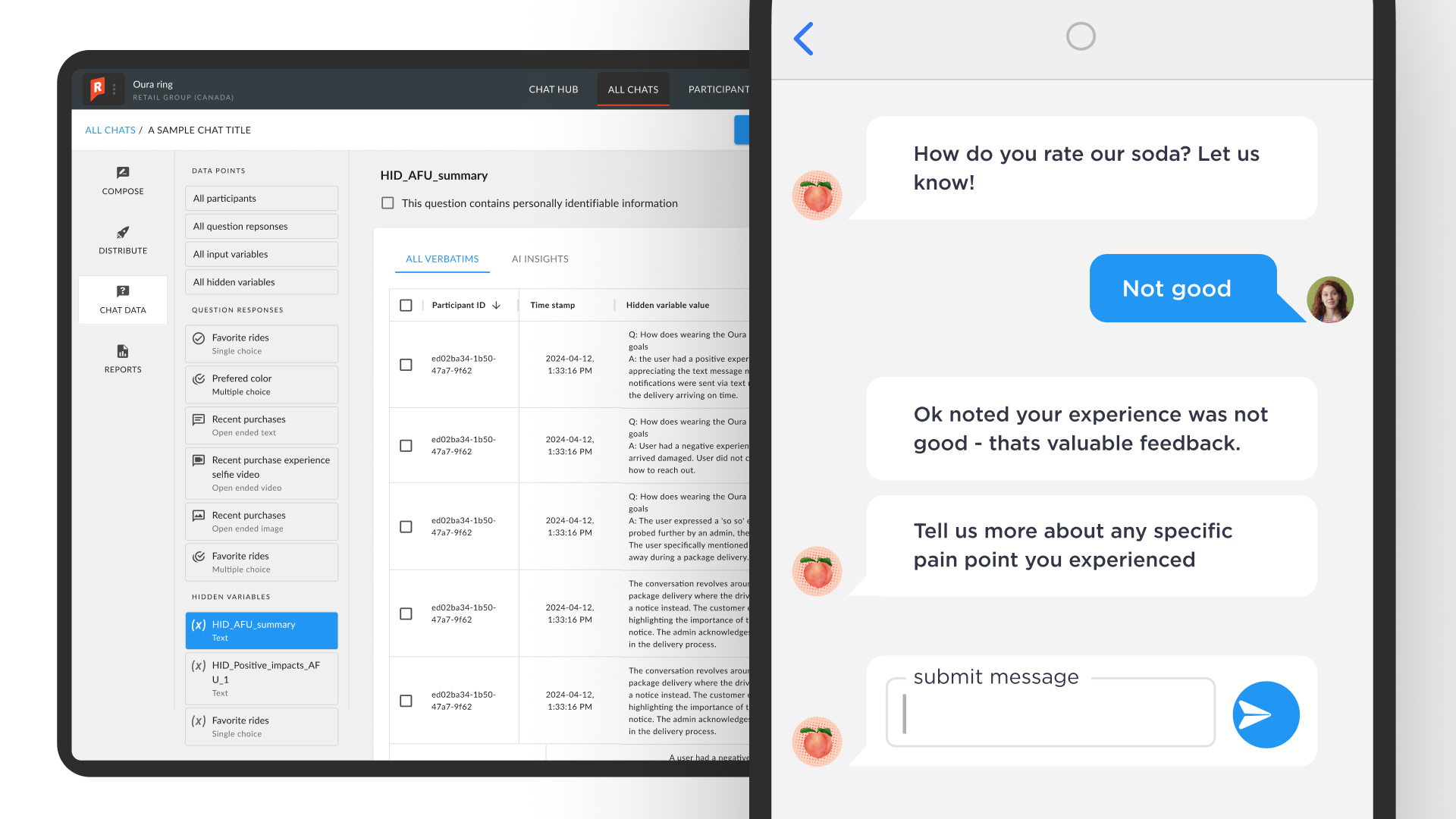
Switching to a conversational survey format, delivered via SMS and messaging apps, was a game changer. Gone were the clunky, email-based surveys that felt like relics of a different era. In their place: chat-style interactions, GIFs, memes, and a tone that actually sounded like a human being.
As Rushan put it:
"When you have a community, they're always on. You're reaching out to them on a very regular basis — at least a few times a month. You don't want it to feel like a chore, like something that's boring and another task that people have to do. It needs to be engaging, it needs to be fun."
The payoff was immediate. Younger grill owners — the exact group Weber had been struggling to reach — started showing up and sticking around.
The lesson here is simple: if your survey experience feels like a chore, even your most loyal members will eventually ghost you. Weber's experience — and our research on research — shows that when you take a conversational approach and meet people where they already are, engagement goes up and you get deeper insights.
2. Close the loop — Let members know their feedback is actually being used
Here's a question worth asking yourself: do your community members actually know what happens to their feedback after they give it? If the answer is "probably not," you might be leaving a lot of engagement on the table.
One key insight community management lesson from Weber is how they made closing the loop a core part of how they run Barbecue Circle. That meant share-backs embedded at the start of new surveys, short informal video messages from internal stakeholders, and a Spotify Wrapped-style year-end round-up — "Barbecue Circle Wrapped" — celebrating what the community had contributed over the year.
But the most sizzling example came straight from the product development side. Rushan shared:
"This year we actually launched a product based on feedback that we received from the community about a year ago. And we went back to them a year later saying, 'Hey, you told us these things and this is the product that's just been launched based on your feedback.' So that was really cool. It was the first time that we've actually gone through like a full cycle and we could go back and show like a whole new product based on community feedback."
That's not just good community management — that's a powerful demonstration of market research ROI. When members can see a direct line between what they said and what ended up on shelves, they don't just stay engaged. They become invested.
3. Build traditions into your research roadmap
One of the more unexpected lessons from Weber's experience is that recurring community activities don't just drive engagement in the moment. They build up into something genuinely valuable over time.
Take Weber's holiday grilling surveys. Every major grilling holiday — Memorial Day, Independence Day, Australia Day — Weber sends members the same core set of questions, dressed up with seasonal visuals and GIFs. What are you grilling? Where did you find the recipe? Who are you cooking for? Members even upload photos of their finished food — which, for a community of passionate grillers, turns out to be something people genuinely love to do.
What started as a simple way to validate marketing hypotheses has since become a rich longitudinal data set. Rushan described how that's paying off today:
"We actually just got a request this week about the charcoal team wanting to look into potential promotions over holidays. Do we know which holidays and what they're cooking at these various times of year? And we're able to say, 'Oh, we can now go through all of this data again. We don't have to ask another set of questions. We don't have to do another study.'"
That's the compounding power of tradition in research communities. What feels like a fun seasonal touchpoint in year one quietly becomes a proprietary data asset by year three. Don't underestimate it.
4. Socialize your insight communities internally
Here's a truth that a lot of insights teams learn the hard way: a great insight community that nobody inside the business knows about is just an expensive hobby. Rushan and Laura invested real effort in making Barbecue Circle visible, accessible, and genuinely useful to teams across the organization — and it shows.
Laura described how they approach internal socialization from day one:
"When someone new is hired and they set up a meet and greet with the consumer insights team, we tell them about the community. We socialize it immediately. We tell them, 'Hey, if you ever have a question, please talk to us. We have these grillers.' And everyone's always very impressed — like, 'Oh, that's so awesome. What do you mean we have them?' And we're like, we just ask them questions. They're there."
Beyond onboarding, the team holds annual stakeholder interviews with each product category team to surface research questions and build a forward-looking community calendar.
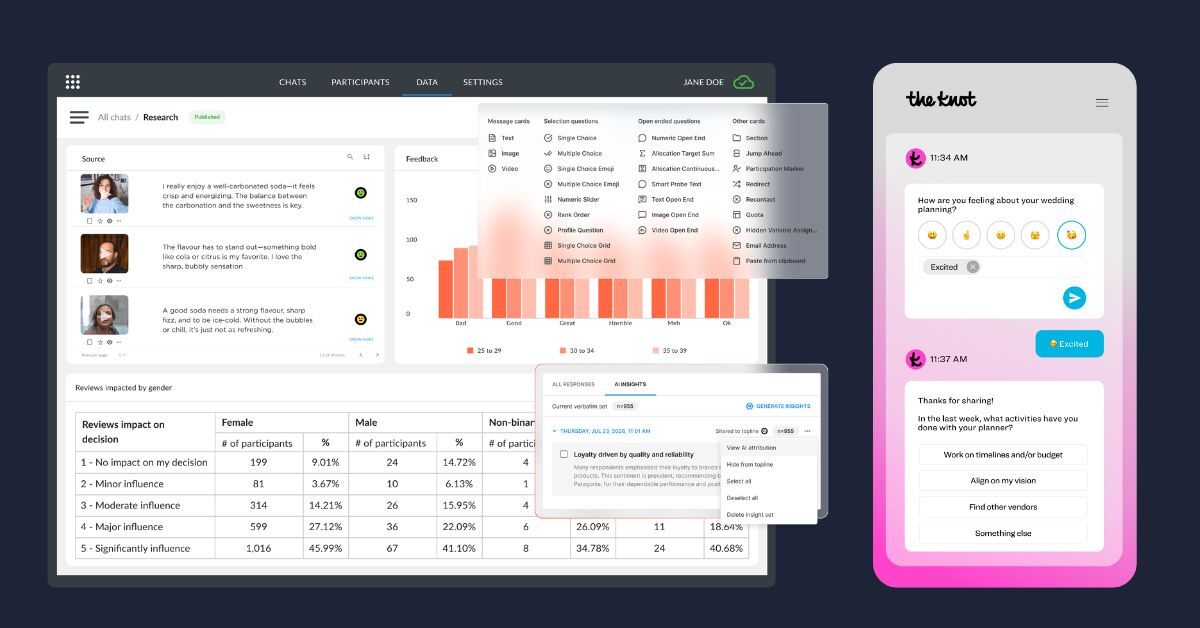
They even worked with our sister company, Reach3 Insights, to create deliverables that are engaging as the community experience itself — interactive, mobile-first quarterly reports that give stakeholders a real feel for what members go through.
The result? Teams don't just use Barbecue Circle — they advocate for it. Product developers request community input before they even have a formal brief. Sales reps bring community findings into retailer meetings. The insights function has moved from order-taker to strategic partner, and the community is a big reason why.
5. Listen to your members — then act on what you hear
This one sounds obvious. It isn't always practiced.
When a member satisfaction survey revealed that Weber's sweepstakes-based incentive model felt unfair — that members felt they were giving more than they were getting — Weber didn't file it away. They switched to a points-based model that guaranteed every member something for every completed survey. Then they went back to their insight communities and told them exactly why things were changing.
Rushan reflected on what that responsiveness means:
"We heard you. And this is what we're implementing as a result of that. This goes back to that dialogue — wanting it to be more of a dialogue than just a one-way relationship."
That same spirit showed up in how Weber uses video. Rather than simply asking members to record themselves, the team started using video on their end too — informal clips from internal stakeholders introducing surveys, thanking members for their time, and sharing back what was done with their feedback. Higher engagement followed. So did trust.
Weber's story is very inspiring because it shows that having an on-demand access to your most important audiences can have an enormous impact in elevating the role of insights.
Ultimately, Laura and Rushan demonstrate that a community is a relationship, not a transaction. The brands that keep the coals burning are the ones that understand the value flows both ways — and act accordingly.
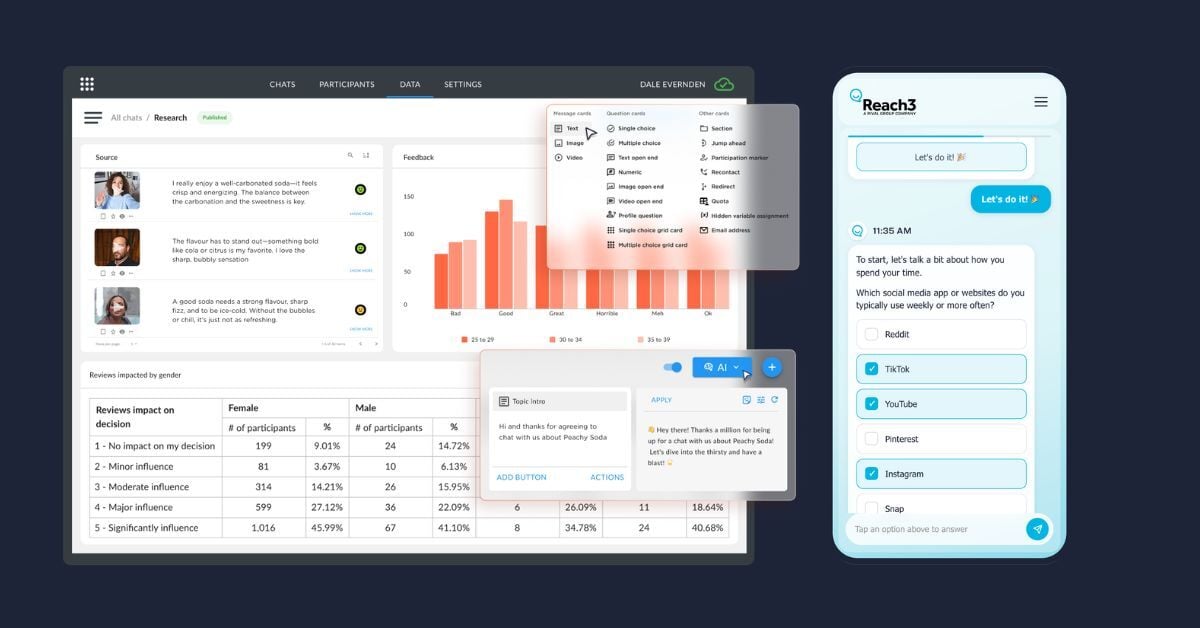
Weber's Barbecue Circle is built on Rival Technologies' conversational insights platform. Want to learn how Rival helps brands build and manage always-on insights communities? Book a demo with our team to see our powerful capabilities.





























.jpg)


















.jpg)










-1.jpg)



.jpg)

.jpg)