



Artificial intelligence is already changing how top brands today understand their consumers. According to Harvard Business Review, AI is touching many aspects of the insight-generation process: from early-stage market research all the way to storytelling.
And the scope of what AI can do is expanding quickly. Many teams today are now using AI agents to accelerate workflows. According to Insight Platforms, agents can do a lot: from automating repetitive work to generating survey inputs for complex methods like MaxDiff or implicit association tests.
AI adoption isn't slowing down — but not every platform is built to keep pace. Some focus heavily on automation. Others specialize in AI-moderated interviews, conversational surveys, or qualitative analysis. And while speed matters, the best platforms still prioritize what researchers care about most: quality insights, respondent engagement, and actionable outcomes.
This guide breaks down the top AI tools for market research in 2026 — what they do, where they excel, and how to choose.
What are AI platforms for market research?
AI platforms for market research use artificial intelligence to automate, accelerate, or enhance different parts of the research process. Depending on the platform, that can mean anything from survey creation and conversational interviewing to sentiment analysis, theme extraction, fraud detection, and reporting.
For insights teams, the right AI market research software capabilities can dramatically reduce manual work — helping researchers move faster without sacrificing depth. The tradeoff is that not every tool covers the full research workflow. Some are built exclusively for qualitative work; others support both quant and qual while layering AI capabilities on top. Understanding where a platform focuses is key to finding the right fit.
AI remains one of the top market research trends today, and adoption shows no signs of slowing. The tools profiled below represent some of the strongest options available in 2026.
Top AI Tools for Market Research and Insights
Rival Technologies
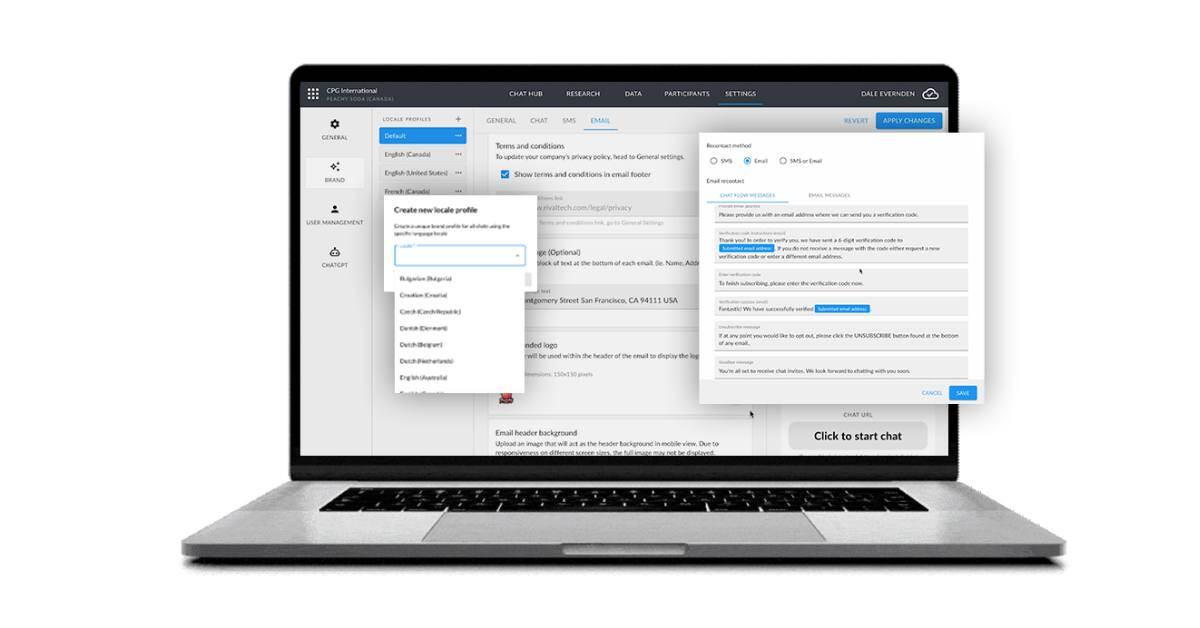
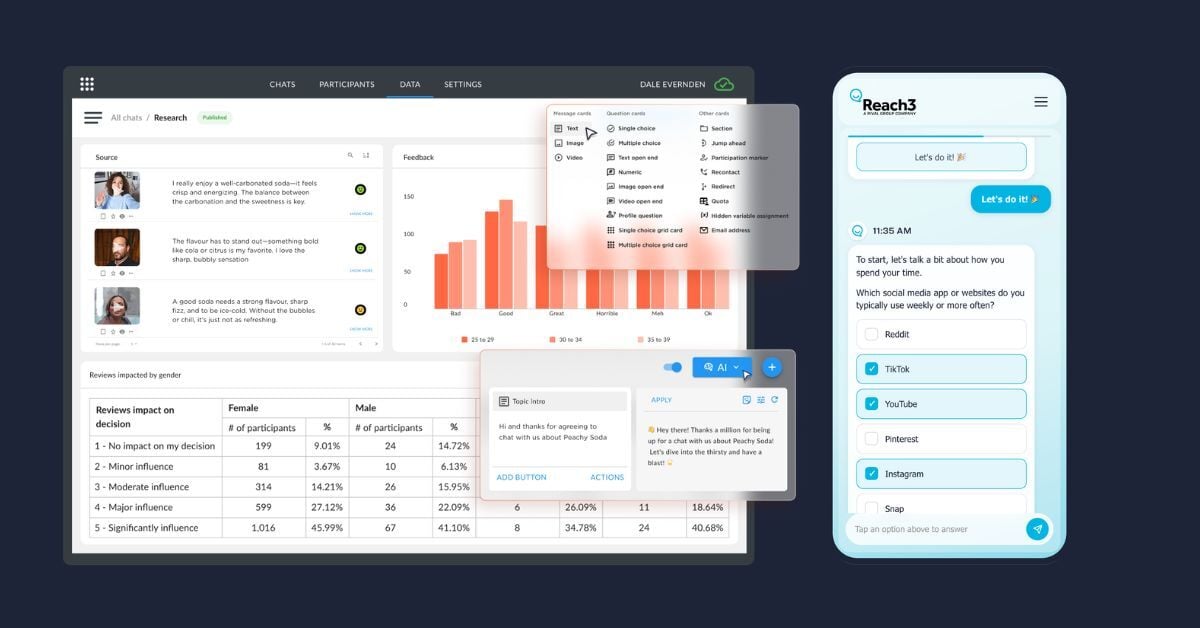
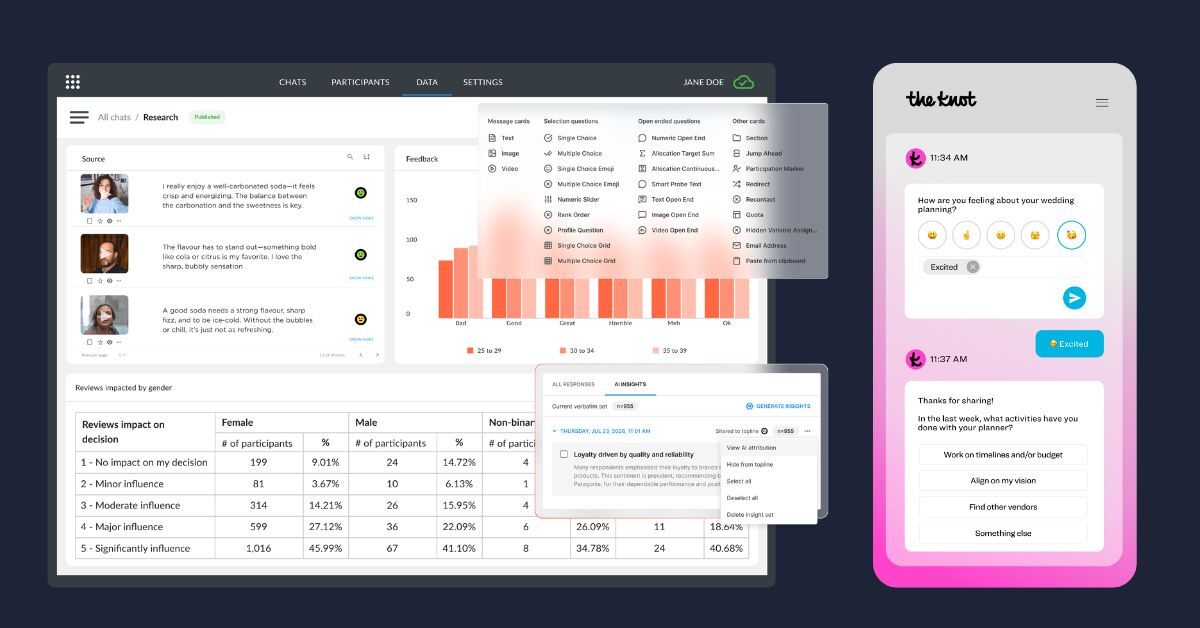
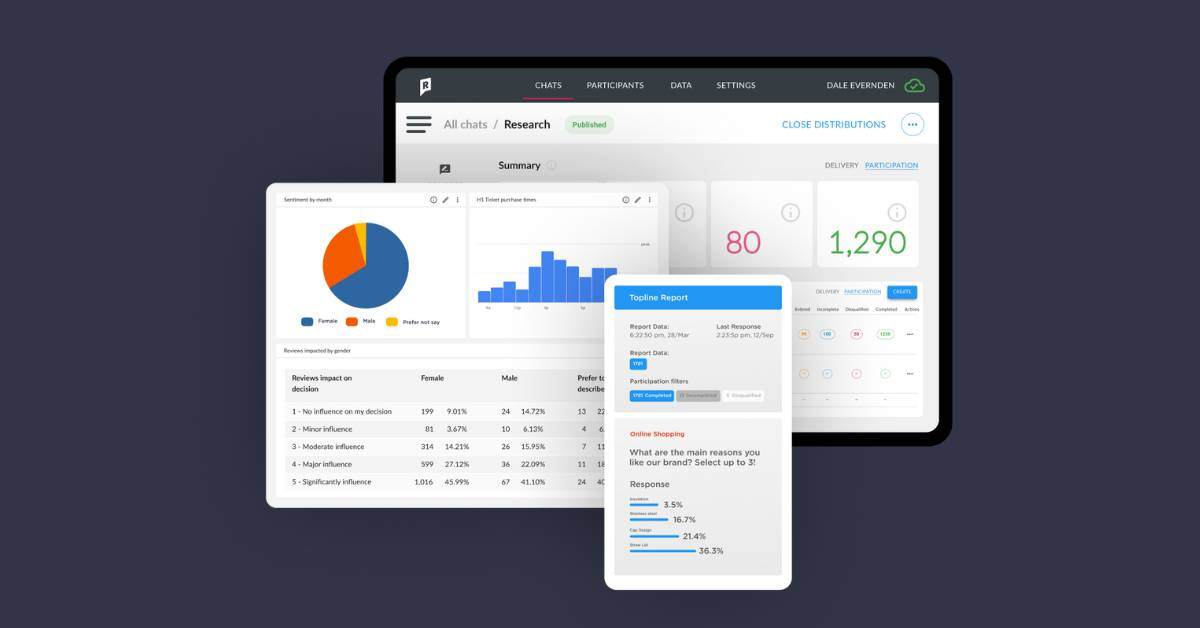
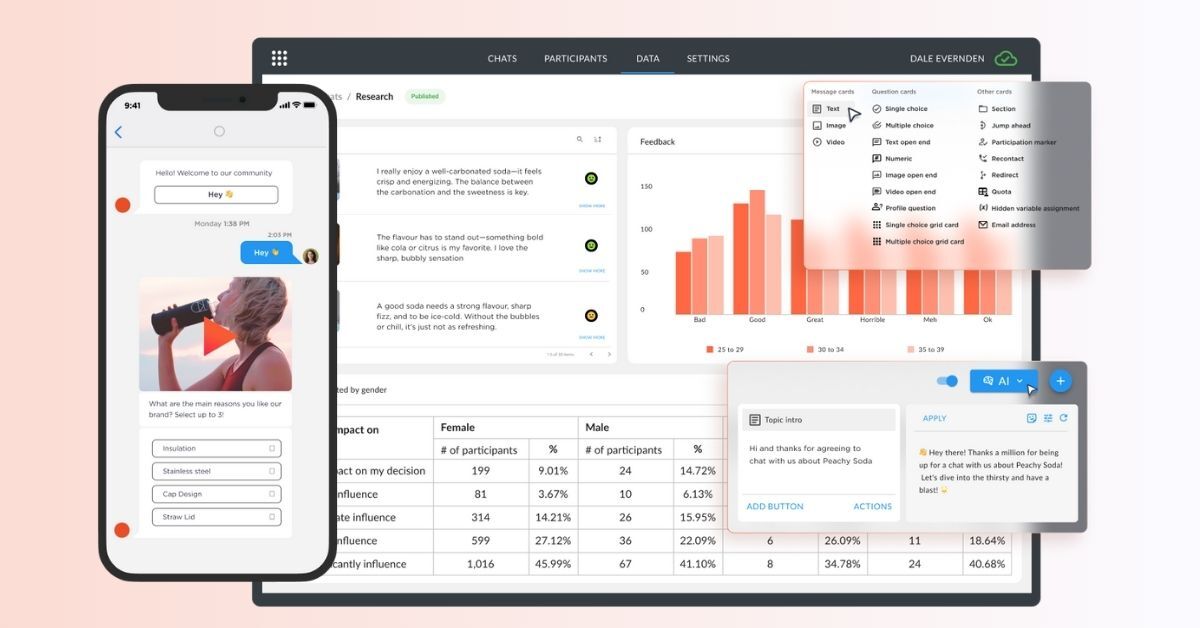
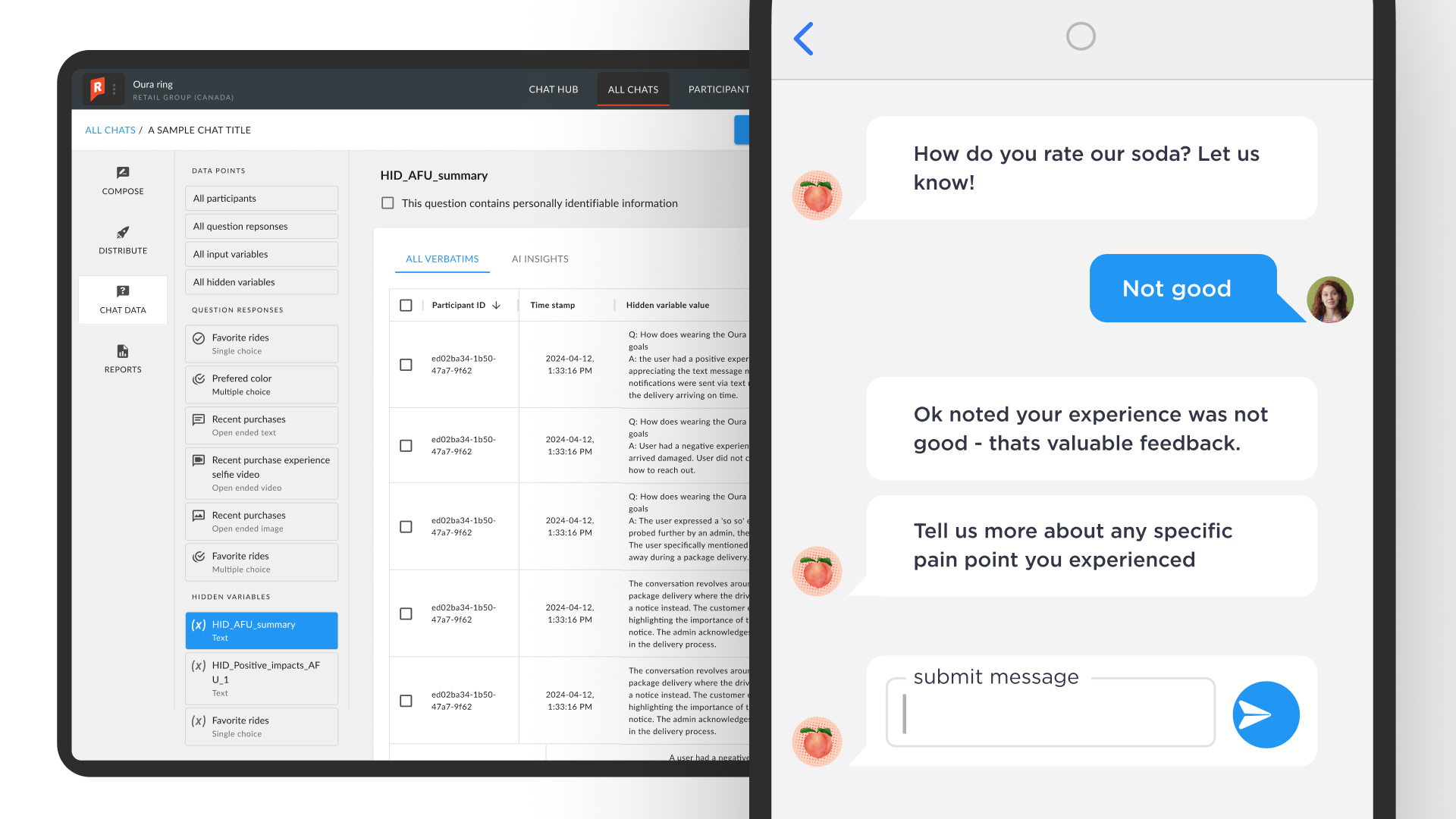
Rival Technologies is an AI-powered conversational research platform that helps brands capture quant, qual, and video feedback. Unlike traditional survey platforms that rely on rigid questionnaires, Rival transforms research into mobile-first, chat-like conversations designed to feel natural and engaging for participants.
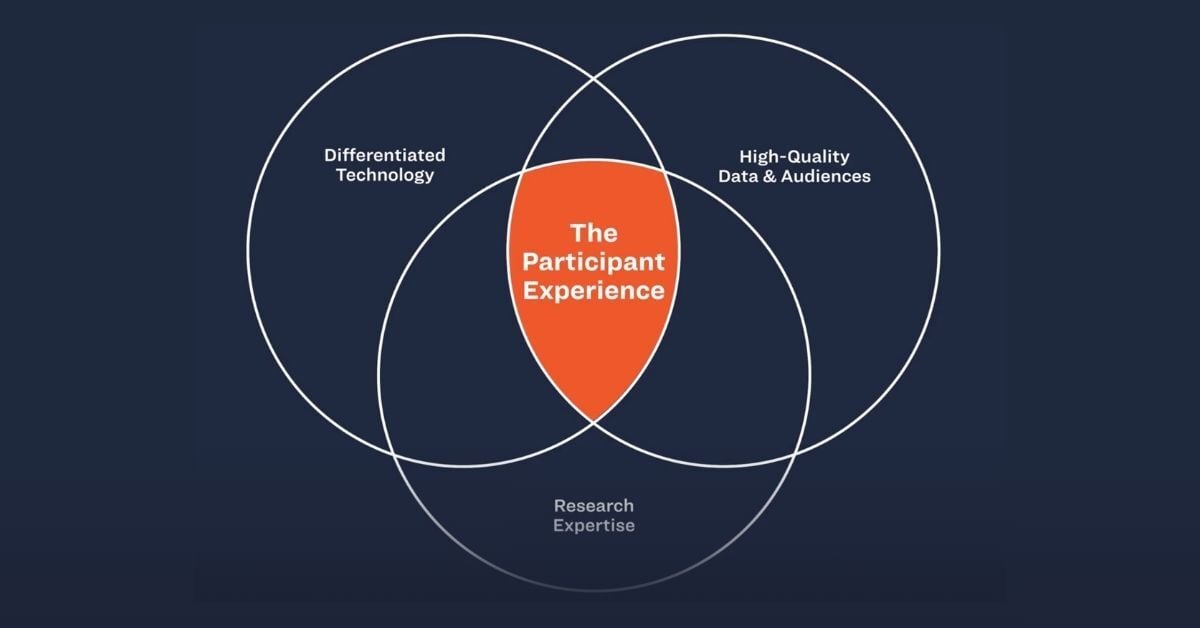
That distinction shapes how the platform is built. Where most AI research tools focus primarily on speeding up analysis, Rival focuses on both the front-end respondent experience and the back-end research workflow — a combination that tends to produce higher engagement rates, richer qualitative feedback, and faster access to insights.
Key AI capabilities include:
-
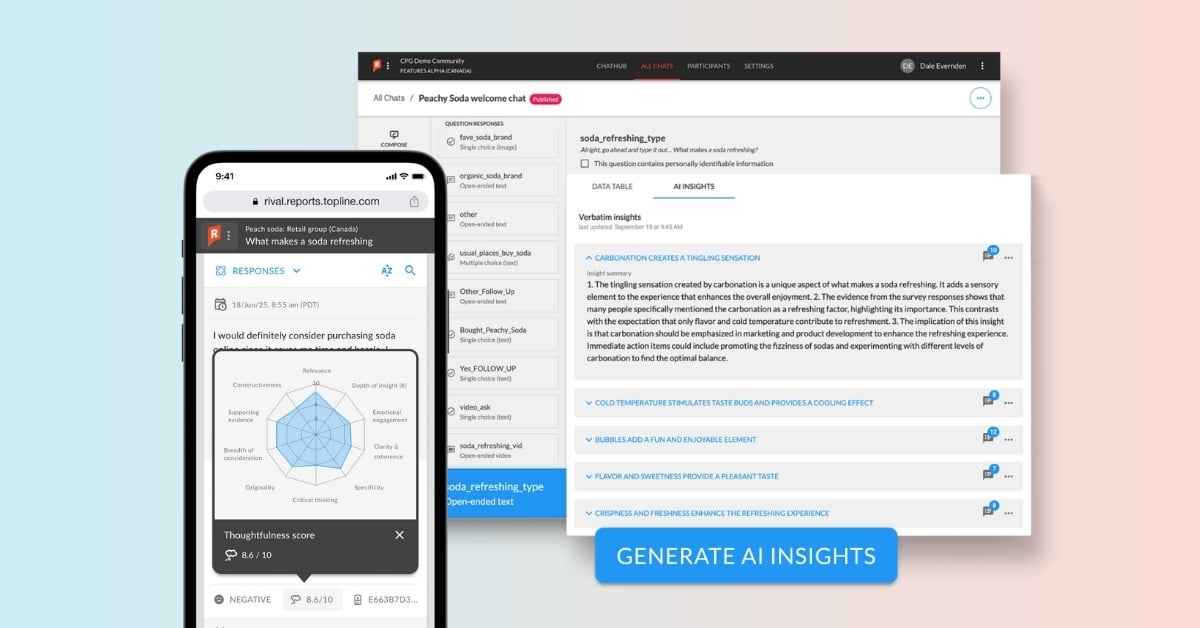
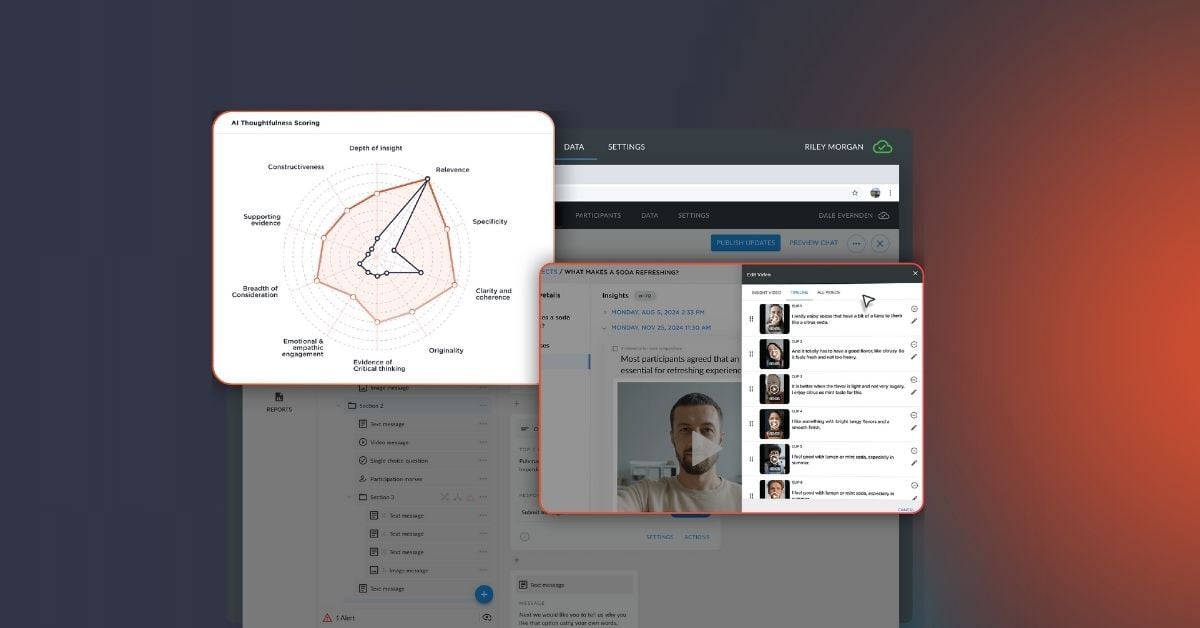
AI probing, which uses Thoughtfulness Score to automate follow-up questions in open-ends only when necessary
-
Tone refinement to help ensure conversational surveys stay natural and on-brand
-
AI video reel, which makes it fast and easy to curate video clips for storytelling
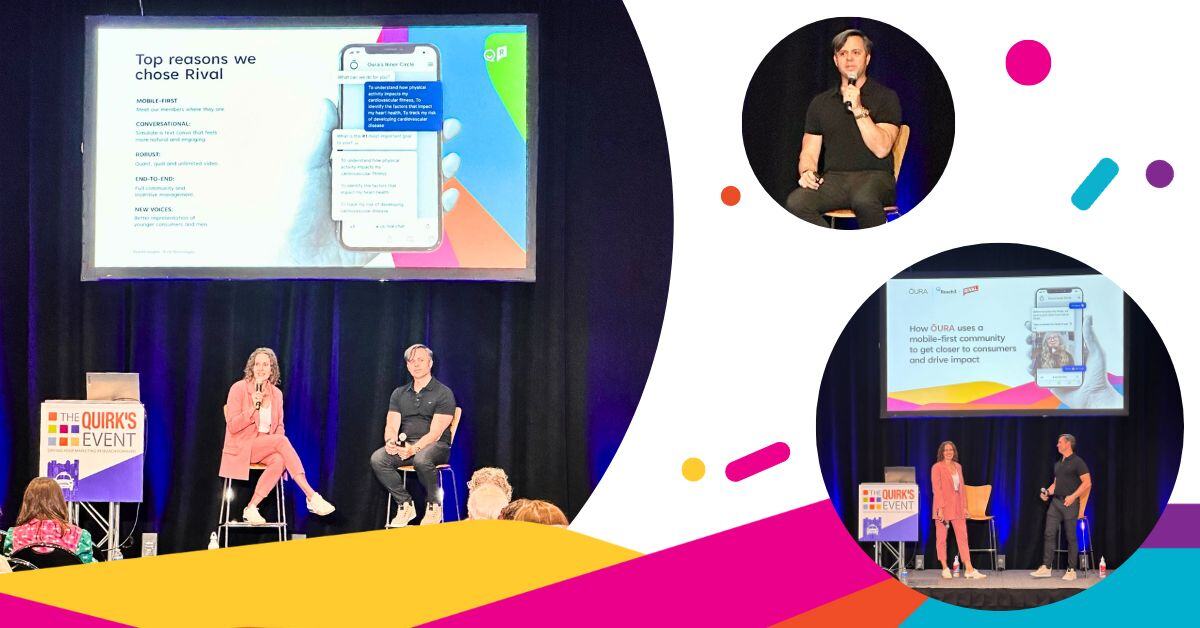
Rival also operates a formal innovation lab that partners with clients like Oura and Warner Bros. Discovery to test new AI features in a controlled environment, and runs Innovation Insiders, an upskilling program for research teams looking to stay ahead of AI developments.
Best for: Research teams who need a platform that handles both quant, qual and unlimited video, and want to prioritize participant experience alongside AI-powered analysis.
Knit
Knit positions itself as a "researcher-driven AI platform" and, according to its Insight Platforms profile, offers a cost-effective alternative to traditional research agencies. The solution includes AI-generated surveys, a market research panel, and automated analysis.
One thing worth noting: as of this writing, Knit has relatively few customer reviews on G2, which makes independent validation harder to find. That's not necessarily a dealbreaker, but it's a factor worth weighing if third-party proof points matter to your evaluation process.
Best for: Teams looking for a more affordable entry point into AI-assisted research with agency-style outputs.
Listen Labs
Listen Labs belongs to the growing category of AI-moderated qualitative research platforms. According to Insight Platforms, it's designed as an AI-led user interview tool — positioned as an alternative to traditional surveys, focus groups, and IDIs. The platform claims its tool delivers 3x longer responses than traditional surveys.
It's worth noting that Listen Labs is focused exclusively on qualitative research. Teams that need to run quant alongside qual will likely find it limiting as a standalone solution.
Best for: Qual-focused researchers who want an AI-moderated interview experience without managing a human moderator.
Inca (Nexxt Intelligence)
Inca, developed by Nexxt Intelligence, is one of the top conversational insights platforms available today. The platform specializes in AI-powered conversational interviews designed to feel more like natural dialogue than a static survey. According to Insight Platforms, Inca works with agencies, consultancies, and enterprise brands.
Similar to Listen Labs, Inca is strongest in qualitative research and may not be the right fit for teams with some quantitative needs.
Best for: Agencies and enterprise teams focused on conversational qual, particularly those running interviews at scale.
Conveo
Conveo is another player in AI-powered qualitative research, with one notable capability: voice interviews. The format has the potential to surface richer emotional context and more natural responses than text-based surveys. According to Insight Platforms, the platform also includes AI tools to help with study design.
Conveo is well-rated on G2, though with a limited number of reviews as of this writing — something to factor in if peer validation is part of your evaluation criteria.
Best for: Researchers interested in voice-based qualitative methods and AI-assisted study design.
Yasna
Yasna positions itself as an all-in-one AI-powered conversational research platform built around automating in-depth interviews. Like Conveo, it includes tools for guide creation, and according to Insight Platforms, also offers transcription, translation, and summarization.
For teams with budget constraints, Yasna may be worth exploring. According to G2, a basic subscription starts at €300, and a free trial is available.
Best for: Smaller teams or those earlier in their AI adoption journey who need an affordable, all-in-one qual research tool.
Outset.ai
Outset.ai is a qualitative research tool that uses LLMs to lead interviews and synthesize results. Its headline claim, per Insight Platforms, is delivering high-quality data up to 100 times faster than traditional methods.
As of this writing, Outset has no customer reviews on G2, which makes independent validation difficult to find. Like several other tools in this category, it also lacks quantitative research capabilities — a meaningful limitation for teams that need to run both quant and qual under one platform.
Best for: Researchers with a qual-only mandate who are open to newer, less established platforms.
FAQs about AI market research tools
What is the best AI tool for market research?
The best AI market research platform depends on your business and research goals, as well as your budget.
If you only care about qual research, many AI-moderated tools are available in the market.
Many high-performing research teams prefer market research software that support both quant and qual — while adding smart AI capabilities along the way.
How is AI changing market research?
AI is already transforming the role of insight leaders, helping researchers:
- Automate repetitive tasks
- Analyze qualitative data faster
- Scale interviews and conversations
- Generate insights more quickly
- Improve participant engagement
- Reduce turnaround times
AI adoption in our industry continue to accelerate: 64% of researchers said in a Rival Technologies study that the number of AI tools they use increased over the past yea.
Are AI market research platforms replacing researchers?
No — the best insight platforms today augment researchers rather than replace them.
AI is excellent at speeding up analysis, summarization, and operational workflows. But human researchers still play a critical role in:
- Study design
- Strategic thinking
- Interpretation
- Storytelling
- Stakeholder communication
- Ethical decision-making
The strongest outcomes usually come from combining AI efficiency with human expertise.
What should companies look for in an AI research platform?
Key evaluation criteria include:
- AI capabilities
- Data quality controls
- Ease of use
- Participant experience
- Reporting capabilities
- Integration options
- Methodological flexibility
- Security and compliance
- Support for qualitative and quantitative research
The best AI platforms don’t just automate research — they improve the quality and depth of insights while helping teams move faster.
What are AI agents and how can they help with research?
Agents represent the next step in the AI evolution. Dale Evernden, EVP of Design and Innovation at Rival Technologies, explains that agents can reason through a sequence of actions, make decisions, and use connected tools to get the job done.
“Agents are essentially reasoning language models,” he said. “Give them the right tools and context, and they can work through complex tasks — not just one-off outputs.”
For an overview of agents in market research, check out our guide here.

































.jpg)



























.jpg)











-1.jpg)




.jpg)

.jpg)