



If you work in insights or CX, you’ve probably felt the pressure: more stakeholders asking for answers, more data, and somehow less time to make sense of it all. That’s where insight platforms come in.
When implemented right, an insight platform doesn’t just help you launch surveys faster. It helps you turn always-on customer feedback into decisions your org can actually act on—without adding headcount or blowing up your budget.
In this article, we’ll break down what insight platforms are, what to look for, and a few top insight platforms to check out (spolier: it includes Rival Technologies ☺️).
What are insight platforms?
In 2026, so many market research software can be considered an insight platform. From agile research to insight community, from AI tools to knowledge management software, there a lot of market research vendors that can be considered a platform.
Ultimately an insight platform is a technology that helps you collect, analyze, and activate customer feedback in one place. Instead of juggling five different tools—one for surveys, one for video, one for communities, one for dashboards—an insight platform pulls everything into a single, connected workflow.
The idea isn't to have one platform that rules them all. But an insight platform should at least be robust enough that it can improve the research process.
Some of the most popular insight platforms let you:
-
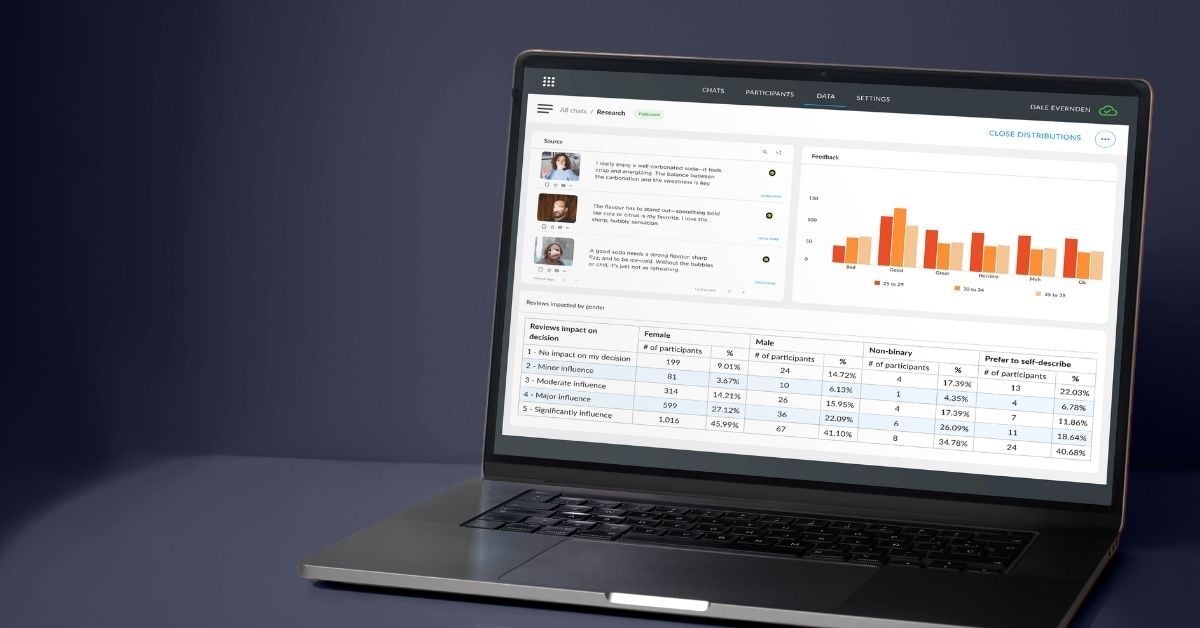
Capture quantitative, qualitative, and video feedback in one seamless experience
-
Engage people on the channels they actually use (think mobile, SMS, WhatsApp—not just email invites)
-
Store participant profile data so you can recontact people over time without asking the same questions again
-
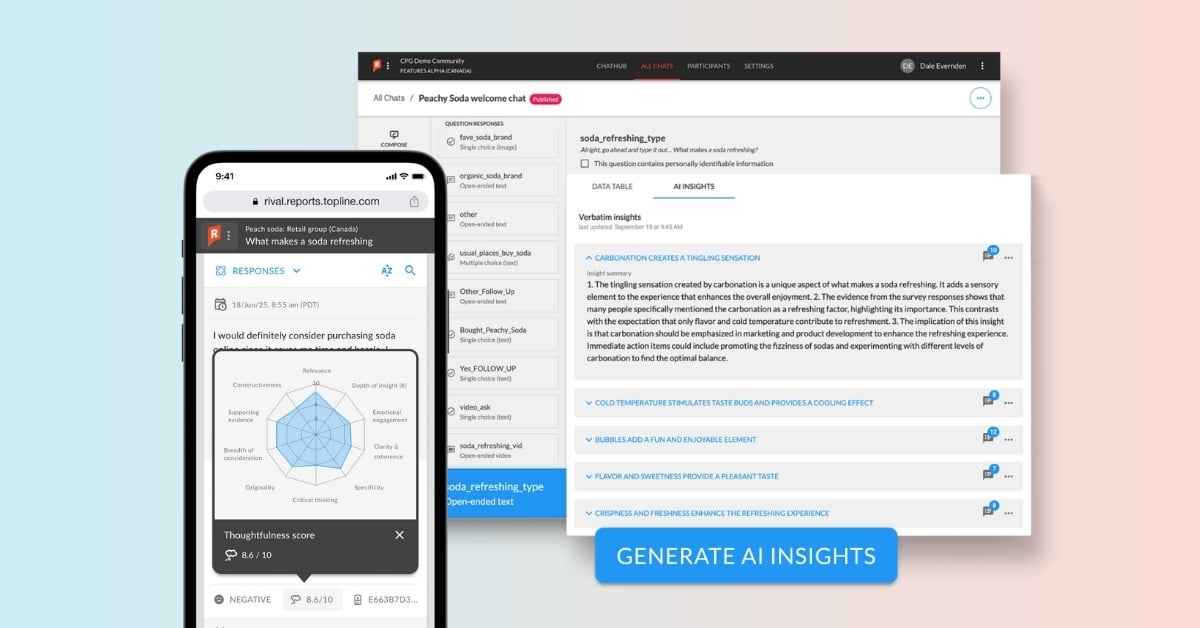
Analyze and visualize results quickly, often with AI-assisted tools
-
Push data to other systems like your CRM, CDP, or product analytics tools so insights don’t get stuck in PowerPoint
The use cases for insight platforms can be very varied: everything from product research to in-the-moment research. Some use it for customer research, while other brands use these tools to engage the wider market. In any case, the product should be the same: actionable insights you can use to make better business decisions.

Why insight platforms are having a moment
To keep up with changing consumer behaviors, many researchers are trying to create insight ecosystems that let them transform data into actionable insights. Having the right tools is key in making this happen.
A few forces are colliding:
-
Expectations are higher internally. Marketing, product, and CX teams want faster answers and richer context. They don’t just want a chart— they want video clips, verbatims, and stories that can land in a boardroom.
-
Customer journeys are more complex. You can’t rely on one big annual tracker and call it a day. You need continuous feedback across touchpoints and over time.
-
Tech stacks are bloated. Many orgs are paying for a patchwork of tools that don’t talk to each other. That leads to duplicated work, inconsistent data, and frustrated teams.
Insight platforms try to solve these by:
-
Building continuous learning into your workflows (not just one-off projects)
-
Giving you clean, credible data you can trust—often enriched by video feedback, which adds emotion and context you can’t get from a 5-point scale

Key capabilities to look for in an insight platform
Every vendor will tell you they’re “all-in-one.” To be honest, it's highly unlikely that you'll find an insight platform that can do it all.
That said, there are capabilities that really matter if you are talking to some top market research platforms:
1. A unified quant + qual + video engine
The best insight platforms let you move smoothly between numbers and narratives.
Look for:
-
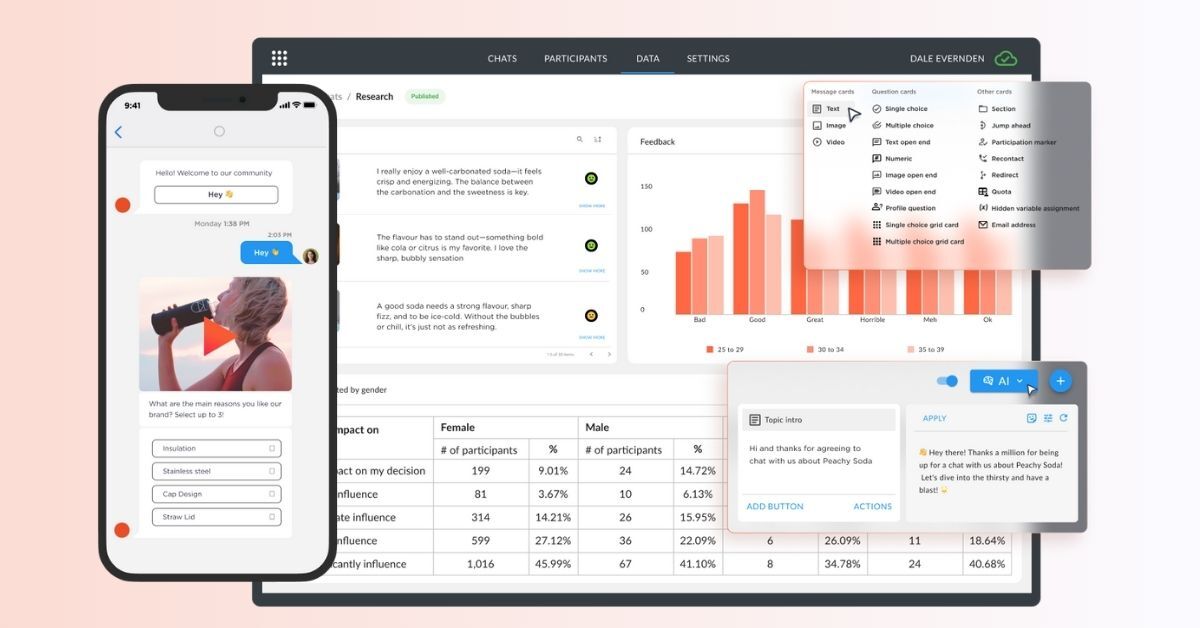
A full range of quant question types (single choice, multi-choice, grids, etc.)
-
Built-in video capture so you can collect open-ended feedback at scale—without an extra license
-
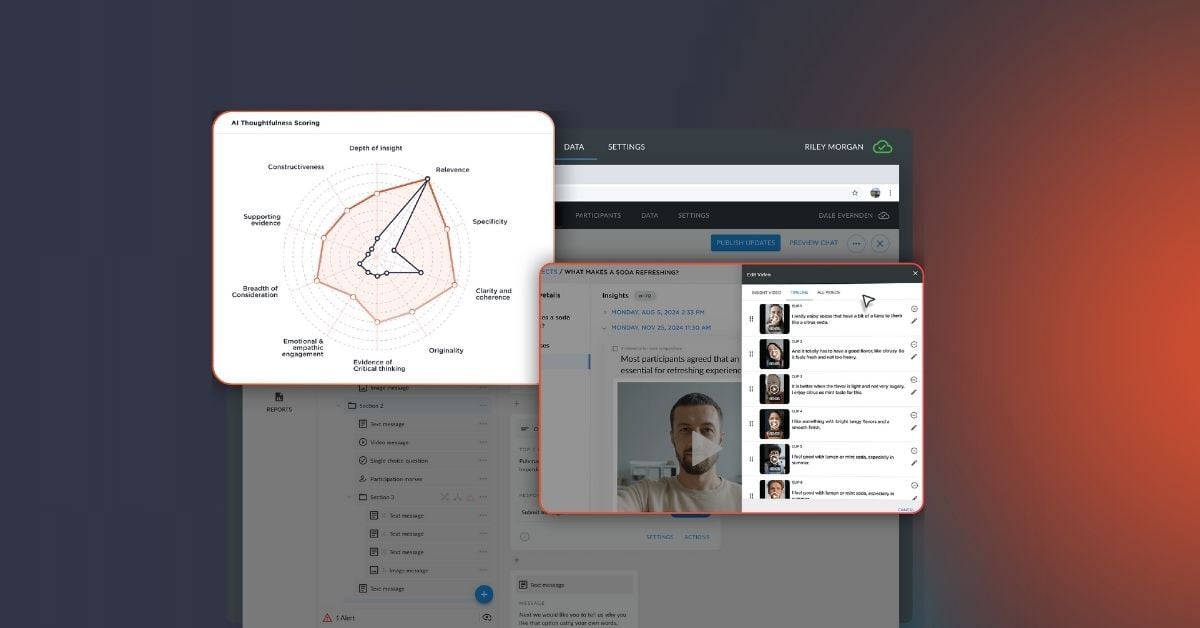
Automatic video transcription (ideally in multiple languages) and searchable clips for storytelling
This blend lets you answer “how many” and “why” in the same place, without managing separate tech.
2. Mobile-first, conversational experiences
If your participants are on their phones, your insight platform should be too.
The best platforms:
-
Use chat-like, conversational interfaces that look and feel like a messaging app
-
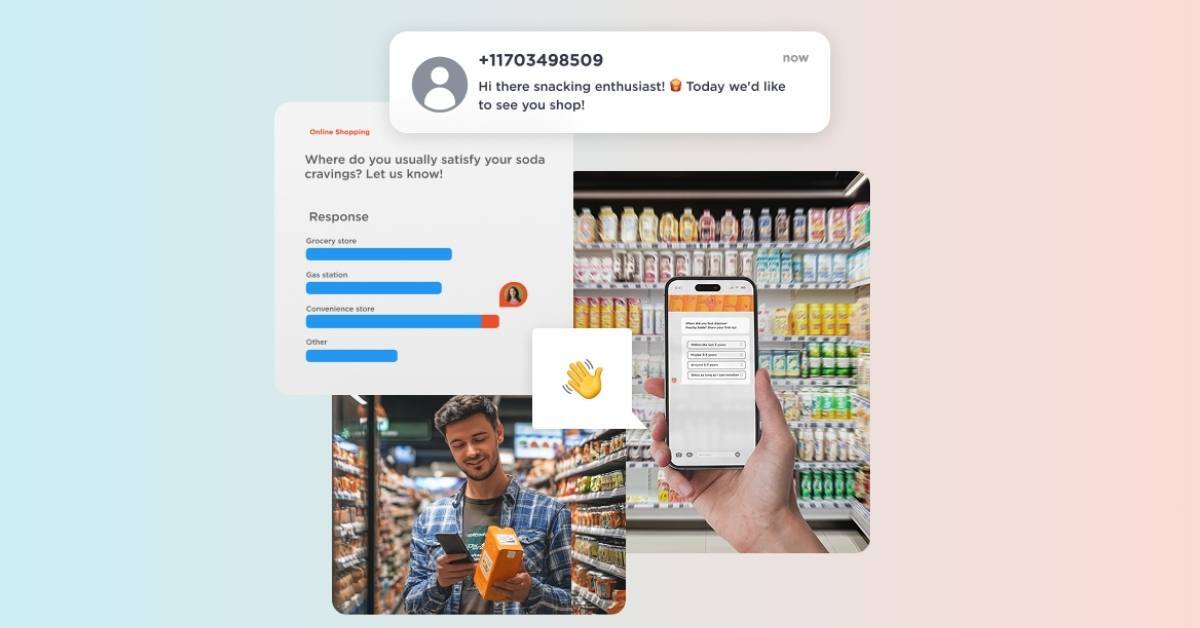
Support SMS notifications and links you can drop into social, email, in-app messages, QR codes, or POS receipts
-
Avoid academic jargon—because nobody talks like that
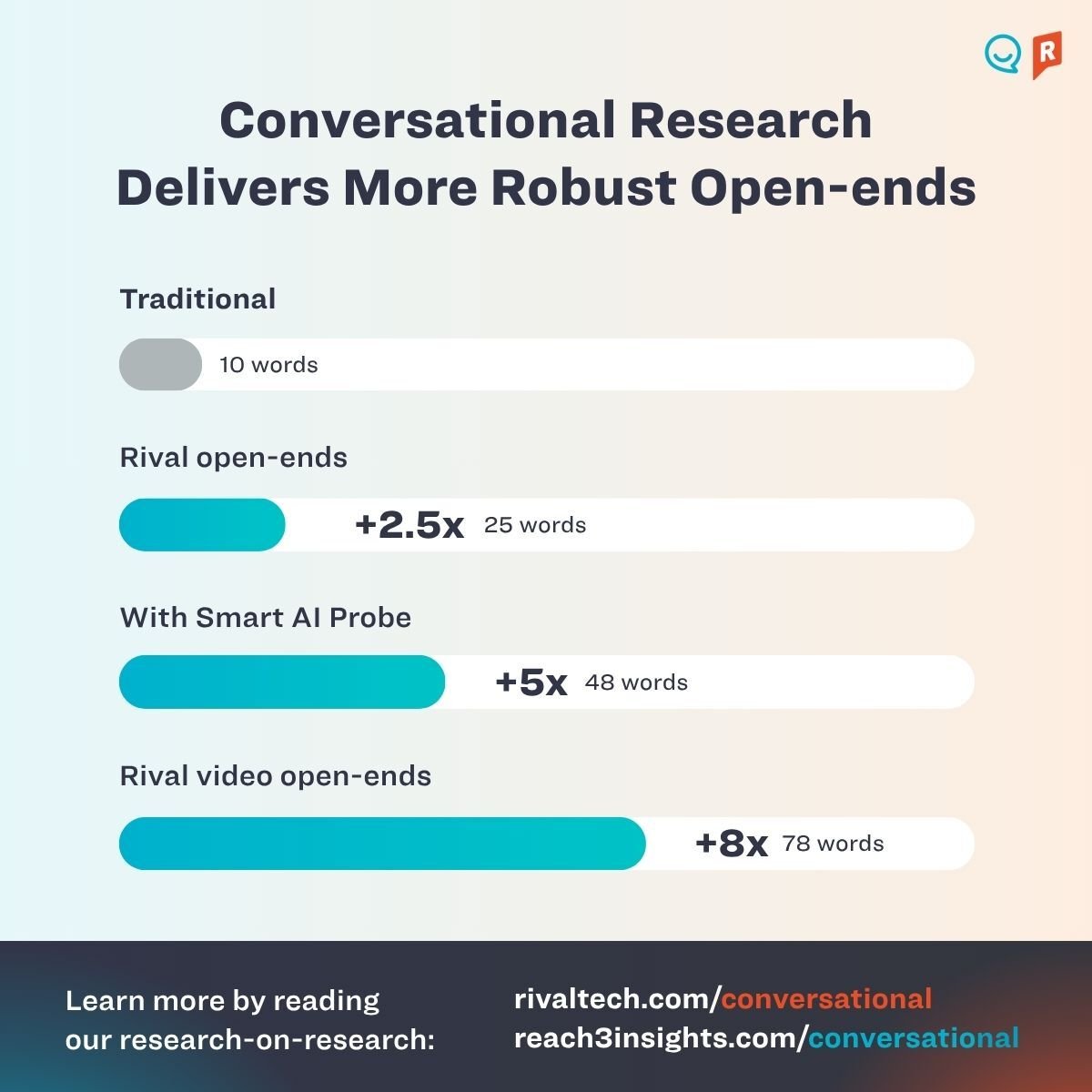
A strong participant experience isn’t just nice to have. It leads to higher response rates, faster completes, and better data quality. Our research-on-research shows that using a conversational approach delivers more thoughtful feedback and 8x deeper insights.
3. Always-on communities and continuous discovery
Many insight platforms now include insight communities or panel management tools. This is where you can recruit key customer segments, talk to them regularly, and track how their attitudes change over time.
With next-gen Community 2.0 solution, you get:
-
The ability to reach and recruit the right people where they already are
-
Easy recontact, so you can follow up with the same people after a launch or campaign
-
Ongoing, in-the-moment conversations—rather than starting from scratch for every project
This model helps you scale your impact without scaling your headcount.
4. No-code authoring and sophisticated logic
Your team shouldn’t need programming support to launch a study.
Look for:
-
Drag-and-drop authoring with no code required
-
Complex logic, piping, masking, and randomization when you need it
-
Support for multiple languages
-
Reusable templates and question libraries
Ideally, the platform helps you spend less time administrating surveys and more time on strategy and effective storytelling.
5. Integrations and data sharing
Insights lose power if they’re stuck in a deck.
Great insight platforms make it easy to:
-
Push data to tools like Salesforce, HubSpot, Marketo, or your analytics stack
-
Trigger research activities based on customer behavior (for example, launching a quick conversational survey when someone churns or upgrades)
-
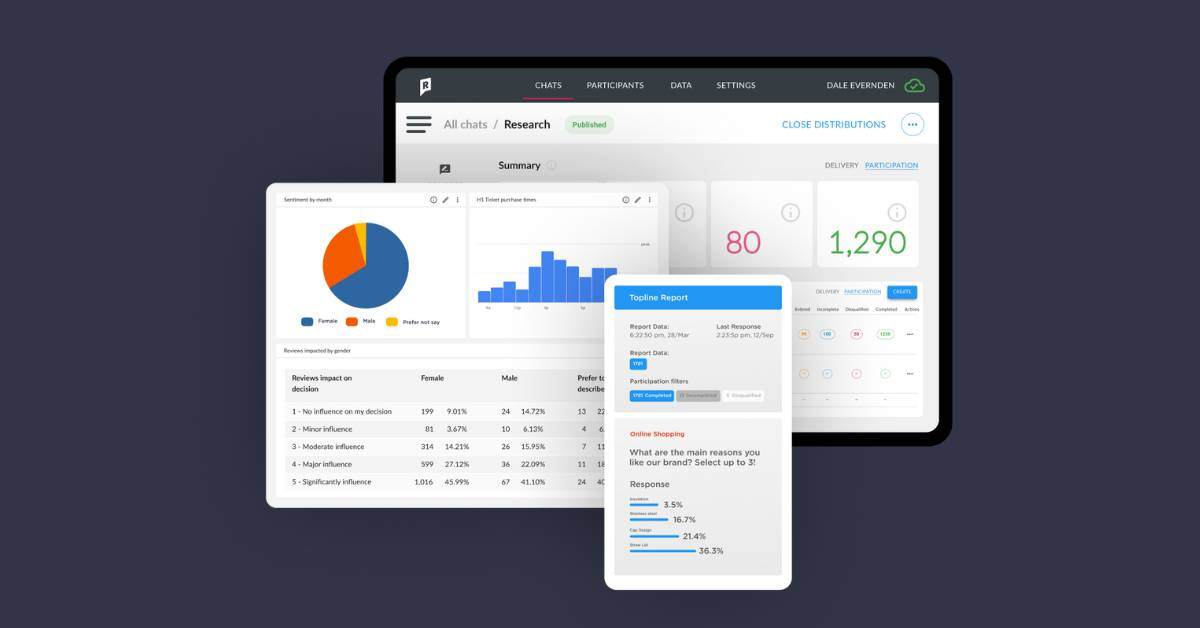
Share mobile-friendly toplines with execs, not just 60-slide PDFs
This is what turns an insight platform into a real decision engine.
6. Security, compliance, and governance
Customer feedback often includes sensitive data. Make sure your platform can meet your org’s standards.
Ask vendors about:
-
Certifications (SOC 2, ISO 27001, HIPAA where relevant)
-
Data residency options
-
Participant consent management and privacy controls
Top insight platforms to check out
There are dozens of insight platforms on the market. Here are a few categories and names worth exploring, including a closer look at Rival Technologies.
Rival Technologies: mobile-first, conversational insight platform
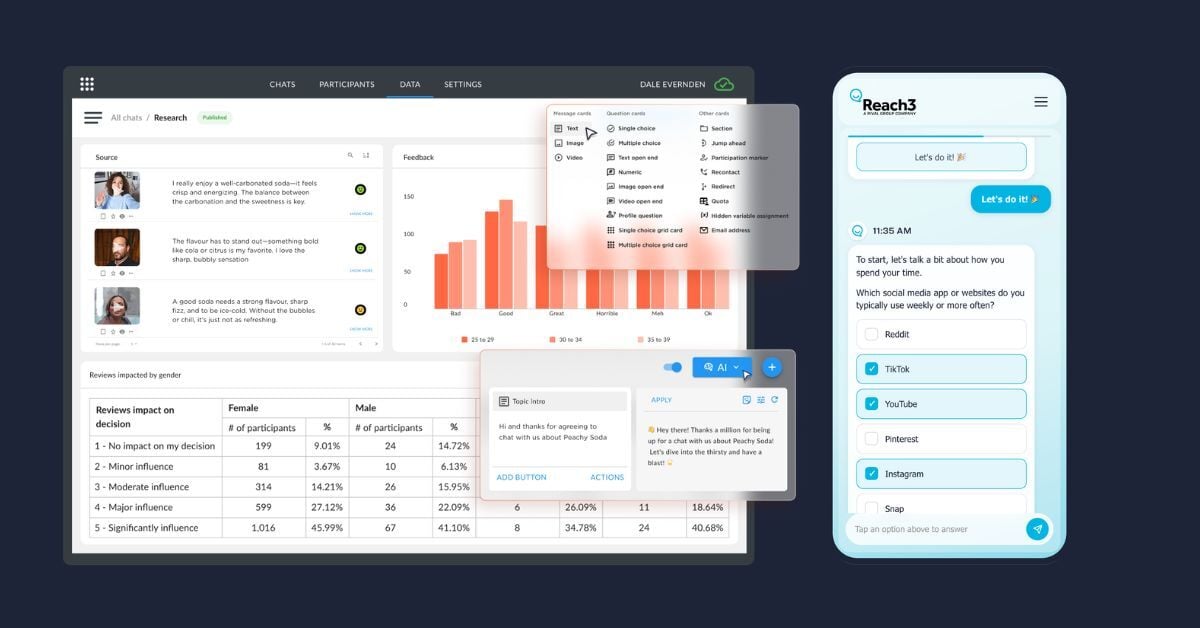
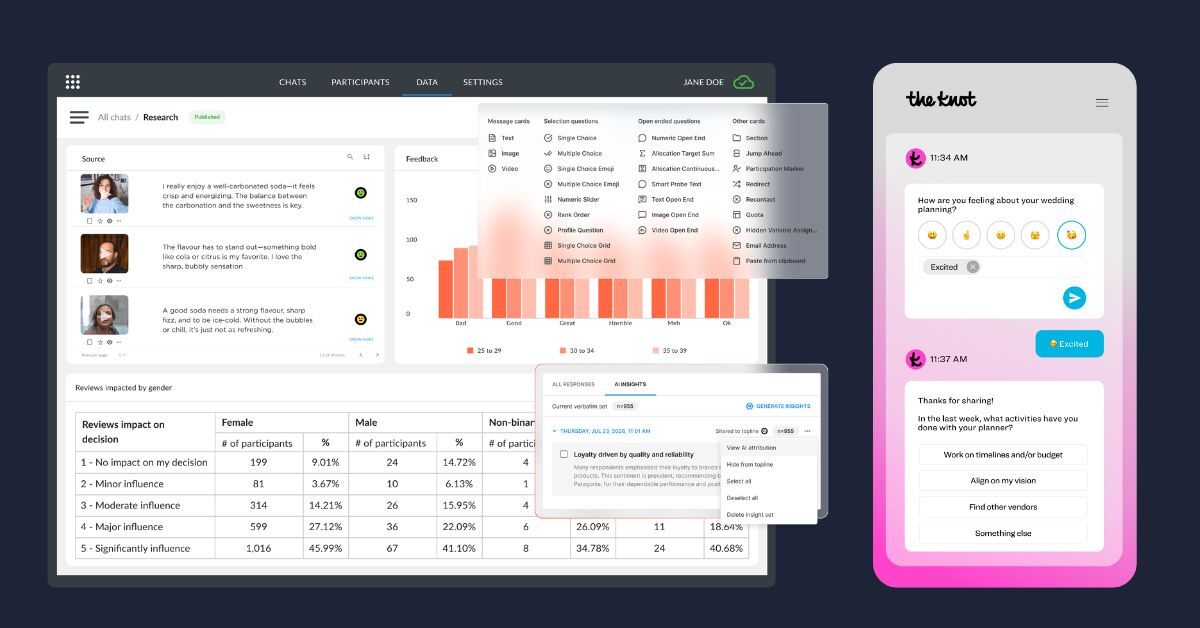
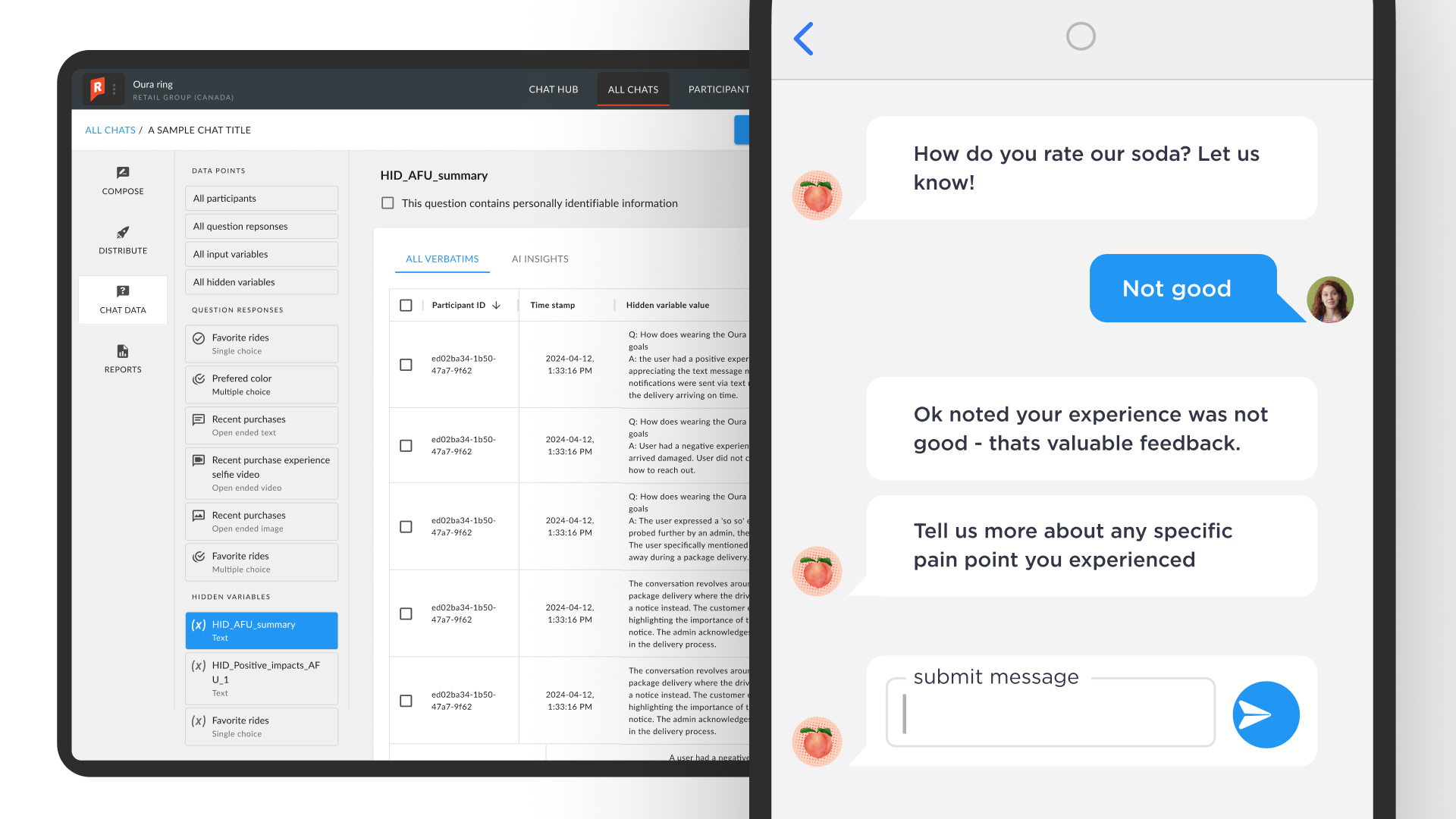
Rival Technologies is a mobile-first insight platform built around chat-based, conversational research. Instead of forcing traditional surveys onto a smaller screen, Rival reimagines the experience for mobile from the ground up.
A few things that stand out:
-
Seamless quant, qual, and video feedback. You can mix structured questions, open-ends, and video responses in a single flow—giving you depth and scale in one place.
-
Community 2.0. Rival’s insight community solution makes it easier to continuously engage key customer groups over time—so you can keep a pulse on evolving needs, not just collect snapshots.
-
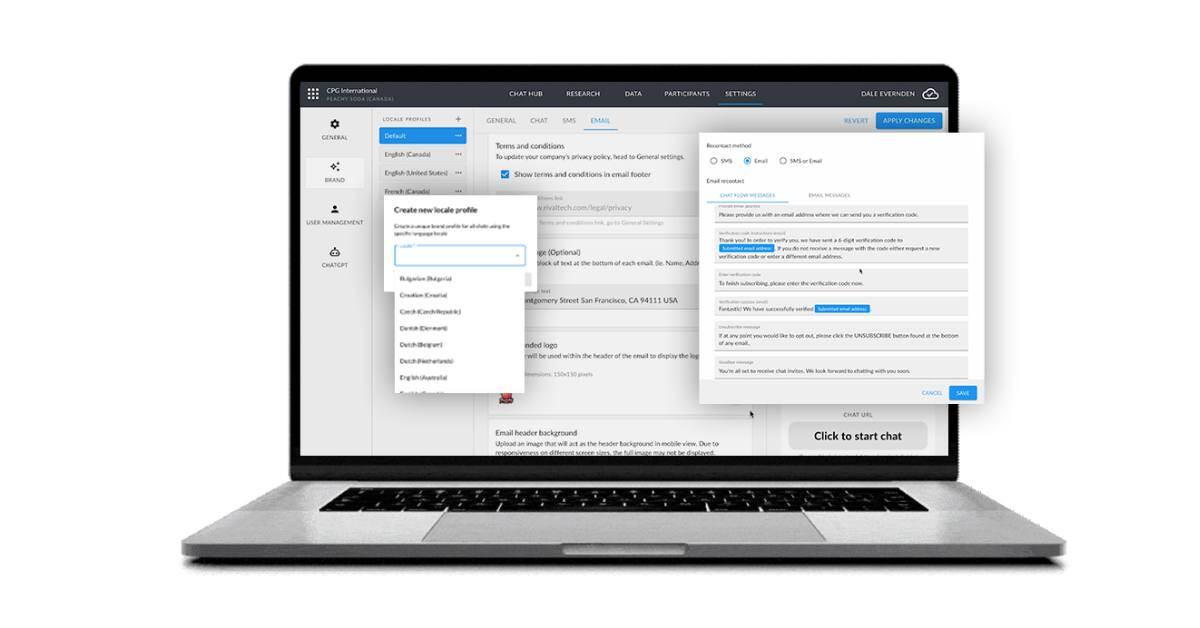
No-code authoring canvas. Researchers get sophisticated logic and tooling without touching code, including profile variables and dynamic profiles that eliminate repetitive questions.
-
Distribution anywhere. Reach participants through SMS, WjhatsApp social links, QR codes, loyalty programs, or in-store prompts—and use branded contact cards on mobile to build trust and recognition.
-
Media-rich reporting. Mobile toplines and media-rich outputs, as well as AI analysis tools for your unstructured data make it easier to bring customers into the boardroom and get stakeholders to actually pay attention to the insights.
-
Enterprise-grade security. Rival Technologies is SOC 2 Type 2 certified and part of a group that also holds ISO 27001 and HIPAA/HITECH certifications.
If you’re looking for a platform that prioritizes participant experience and ongoing discovery, Rival is a strong contender—especially for brands that want to move beyond flat, one-off surveys.
Enterprise experience & VoC platforms
If you need broad Voice of Customer programs across multiple channels, you might also explore:
-
Qualtrics – Known for enterprise CX, EX, and research, with extensive dashboards and integrations.
-
Medallia – Strong for large-scale customer and employee experience programs with omnichannel feedback.
-
InMoment – Focused on experience improvement with text analytics and VoC capabilities.
These tools shine when you need to pipe feedback into large CX ecosystems and manage complex governance. That said, many of these insight platforms are not mobile-first like Rival Technologies. And because they don't make the participant experience a priority, these tools may not maximize engagement, speed of insights and data quality.
Agile research and survey platforms
For teams prioritizing fast, project-based work, Rival's agile research solution might be a good fit. These other platforms may also be viable options:
-
SurveyMonkey / Momentive – Widely adopted for DIY research, with templates and basic automation.
-
Alchemer – Flexible for complex logic and custom workflows.
-
QuestionPro, Alida, Fuel Cycle – Often used for insight communities and agile research, with varying levels of panel and analytics support.
These may be good fits if you already have a strong data stack and just need a way to launch and analyze surveys quickly.
How to choose the right insight platform for your team
When you’re narrowing down options, don’t start with the feature grid. Start with three questions:
What decisions do we need to support more confidently and quickly?
Are you focused on concept tests, product feedback, in-store experiences, campaign optimization, or all of the above?
Who needs to see and use the insights?
Do you need mobile toplines for busy execs, self-serve dashboards for marketers, or deep exports for data science?
How do our customers actually want to talk to us?
If your audience lives on their phones, a mobile-first, conversational platform like Rival Technologies will likely give you higher participation and better data than another long web survey. Here, it's important to check your assumptions — even older audiences like Boomers tend to prefer mobile-first insight platforms.
From there, you can visit market research directories, build a shortlist and evaluate your choices. Reviewing customer stories or G2 reviews might be useful here. Pricing may differ between different players as well.
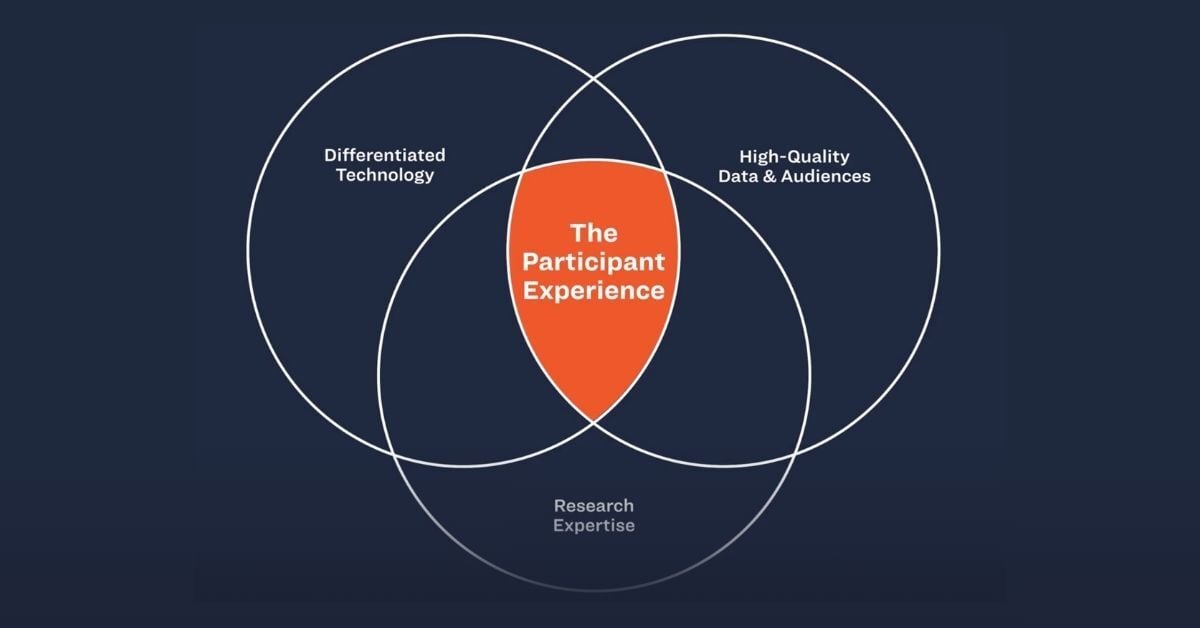
Pro tip: make sure you check out the participant experience as well. You’ll quickly see which platforms make insight work feel lighter, faster, and more human—and which ones still feel like homework.
Creating an insight ecosystem with the right tools
Insight platforms are becoming the backbone of modern research teams. They help you:
-
Turn disconnected tools into a single, coherent insight ecosystem
-
Capture quant, qual, and video feedback in one place
-
Keep an ongoing pulse on your best customers and your next customers
-
Elevate research from “reporting out” to shaping strategy
If you’re ready to build a more human, mobile-first insights program, Rival Technologies is a great place to start exploring what’s possible with a modern insight platform.
If you're curious to learn more, please reach out to our team for a demo.


































.jpg)

























.jpg)











-1.jpg)





.jpg)

.jpg)