



Let's start with an uncomfortable possibility. Your customers aren't ignoring your surveys because they're busy. They're ignoring them because your surveys are exhausting. Survey fatigue is real.
A recent CMSWire headline sums it up perfectly: "Your customers aren't quiet. They've given up on your surveys." That's the part most teams miss. Silence reads like contentment. It usually means surrender.
And that quiet is expensive. As Paula Catoira, CMO at Rival Group, puts it: "When customers stop talking, companies start guessing. And in a rapidly changing market, guesswork is expensive." When people stop responding, you don't get a heads-up. You just keep steering with worse and worse data.
So let's unpack what survey fatigue actually is, and what you can do about it.
What is survey fatigue?
Survey fatigue is what happens when people get worn down by surveys and start tuning out. They abandon halfway through. They straight-line every grid. Or they skip the invitation entirely, which is the version you never see in your dashboard.
The usual diagnosis is length. Too many questions, too many surveys, too often. Trim the questionnaire and engagement comes back, right?
Not quite. And here's where it gets interesting.
Jennifer Reid, Co-CEO and Chief Methodologist at Rival Group, dug into this on a recent episode of the Ponderings from the Perch podcast with Priscilla McKinney. Rival has run parallel studies — traditional versus conversational — then asked 2,006 participants how the experience felt.
The conversational version scored higher on satisfaction and felt shorter to the people taking them. Plot twist: they actually took longer to complete.
"Those seven minutes I was more engaged and so it felt shorter," Jennifer explains. "There's like this funny mismatch that happens."
Sit with that for a second, because it flips the whole premise. The longer survey was the one people liked more. So fatigue was never really about the clock. It was about real engagement. A bored participant experiences five minutes as a slog. An engaged one happily gives you seven and tells you it was easy.
Which means the real cause of survey fatigue is the feeling of being processed instead of heard. That's a design problem. And design problems are fixable.
How to minimize survey fatigue
The good news is you have more control here than the "shorten everything" advice suggests. A few moves do most of the heavy lifting.
Stop creating boring surveys
You know the experience Jennifer means: "It's a screen, it's a next, it's a screen, it's a next." Each question floating in isolation, no thread, no sense that a human is on the other end.
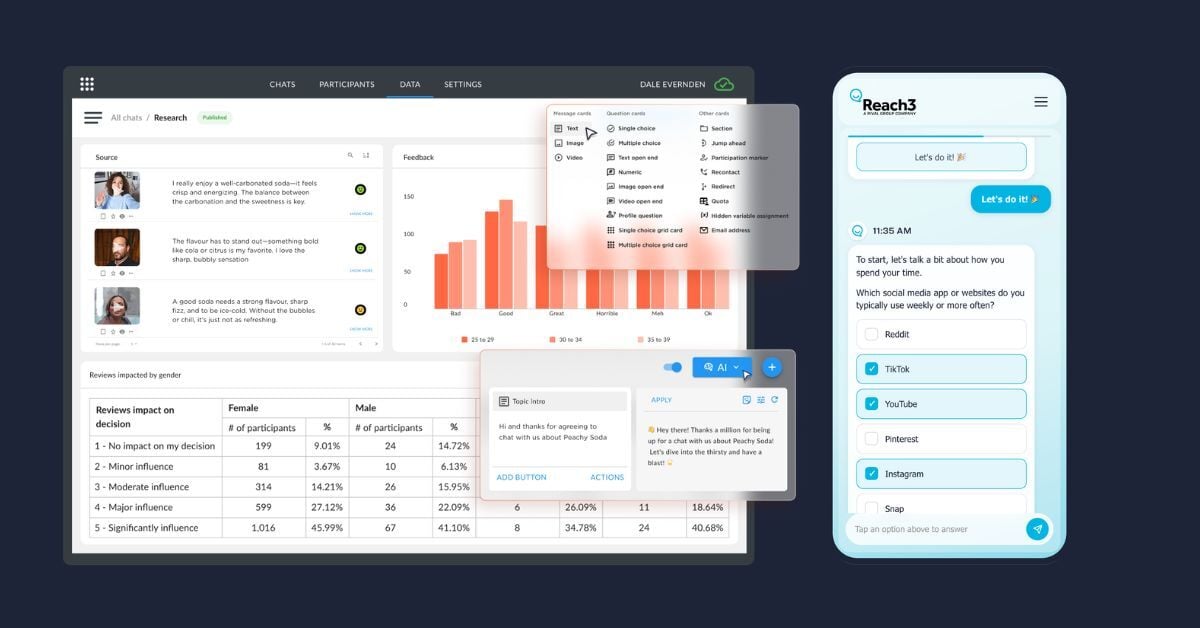
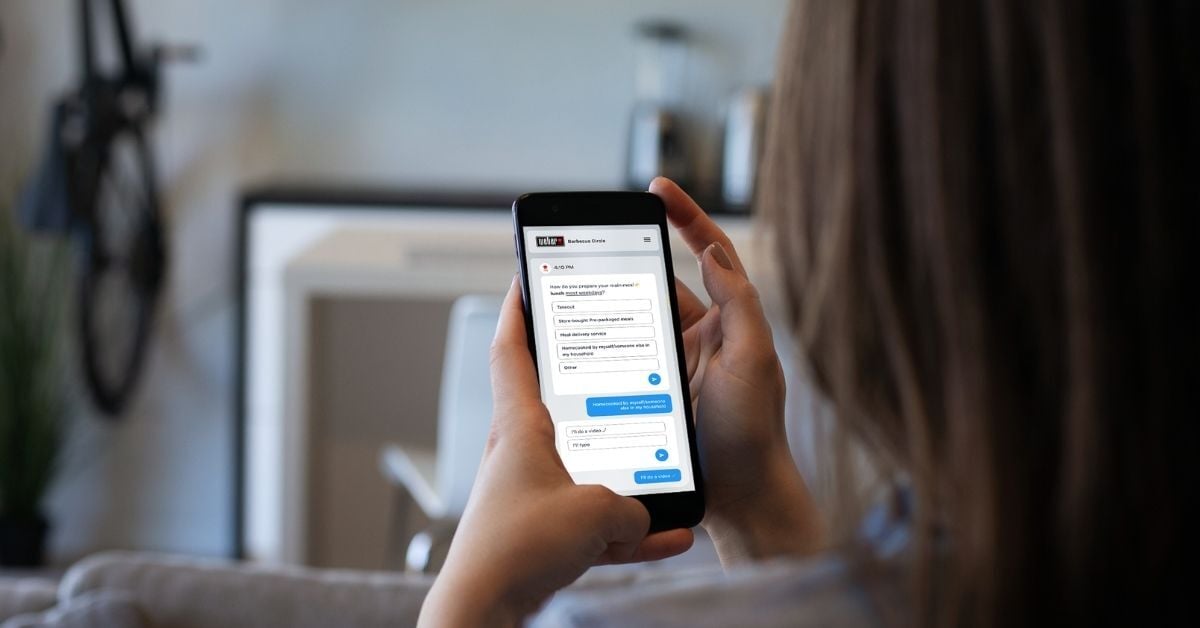
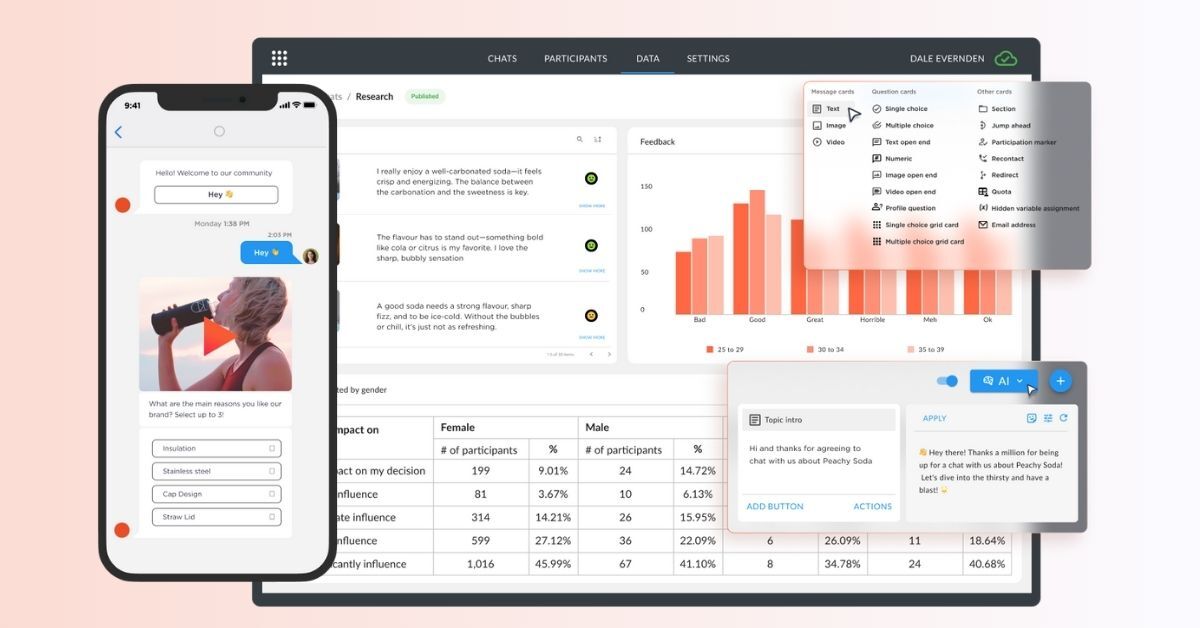
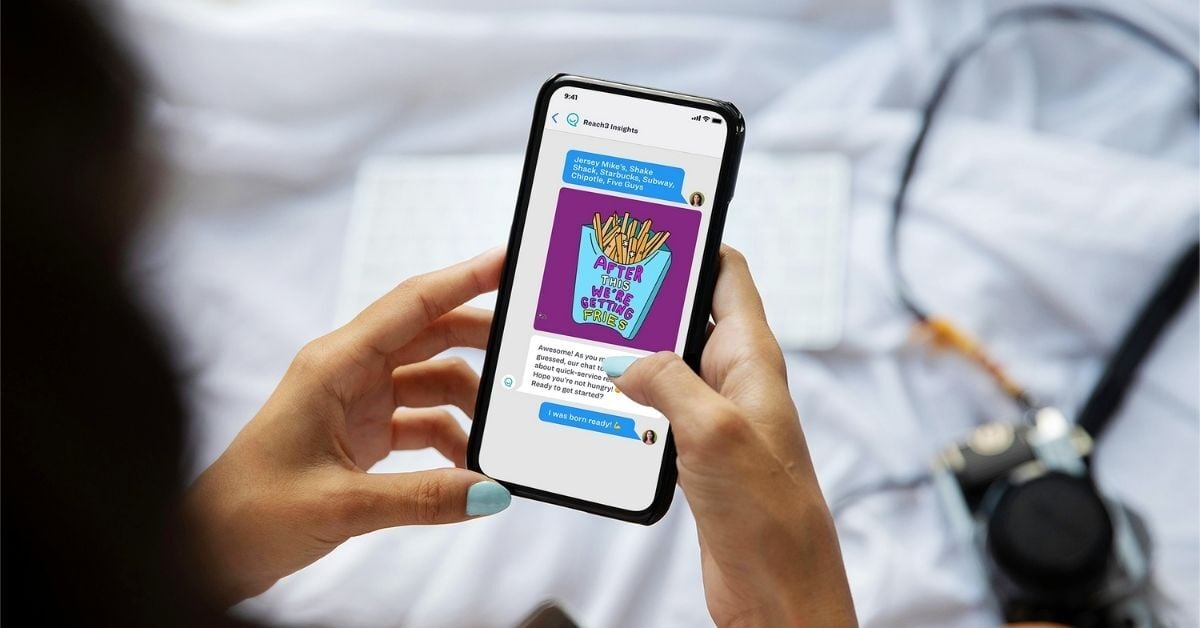
The alternative is to make the survey behave more like an actual conversation.
"What we're trying to do is kind of make the survey more vertically focused, which mimics more the kinds of conversations that we have," she says. And the principle travels: "No matter whose platform you're using, in what format, I think we can all make the design of our questionnaires a little bit better."
Meet people on the device that's actually personal
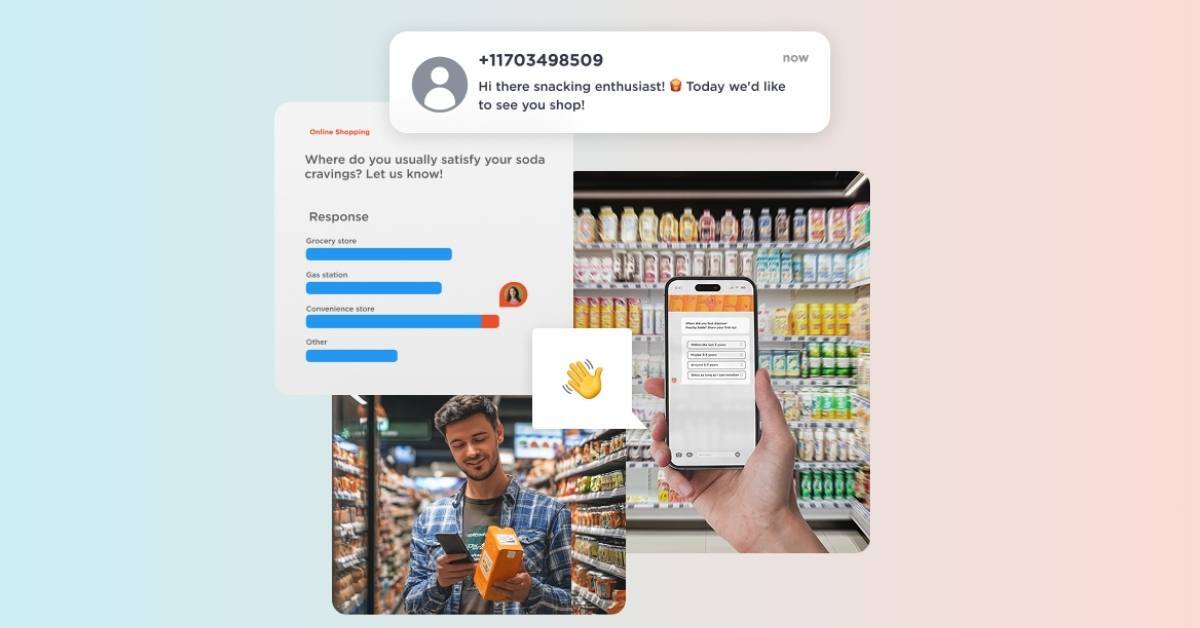
Where you ask changes how openly people answer. A phone isn't a tiny computer. According to research from The Wharton School, "we share more personal information, thoughts, and experiences on our tiny screens than on our large desktops." The study found that phones create comfort and focus that encourages people to share more.
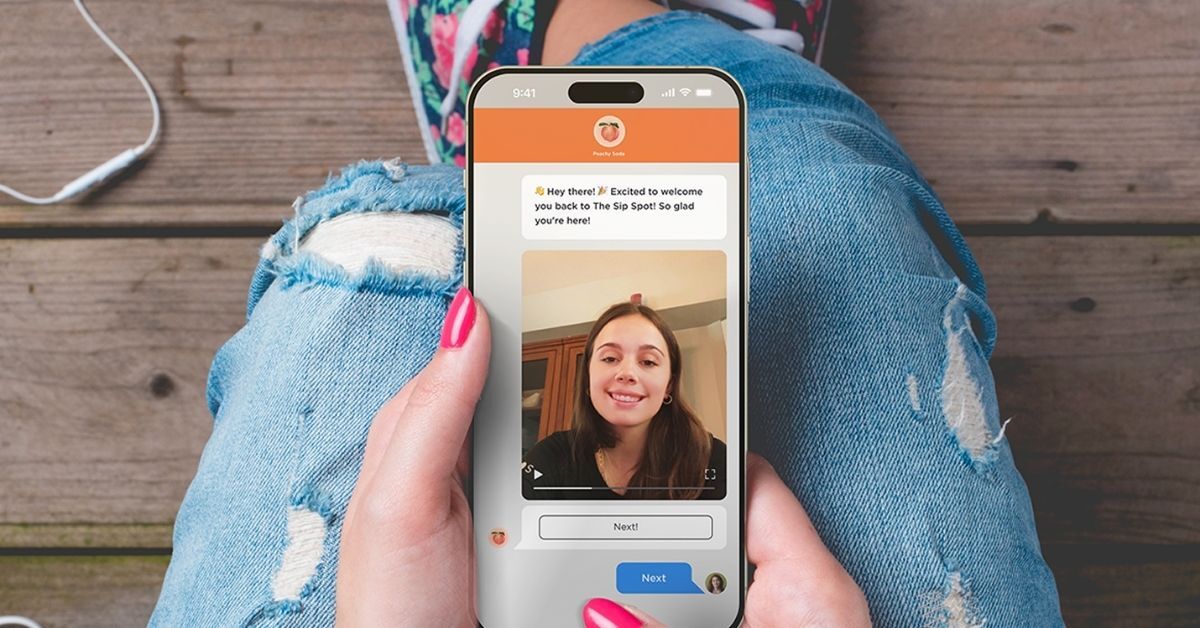
"Our relationship with our phones is different than our relationship with our computers," Jennifer notes. "Because we're entering into that space on your mobile device, psychologically we do get this sort of more robust kind of answer."
A desktop grid crammed onto a phone keeps all the friction and loses the intimacy. Designing mobile-first is the difference between interrupting someone and joining a conversation they're happy to have.
Talk back — make it a conversation
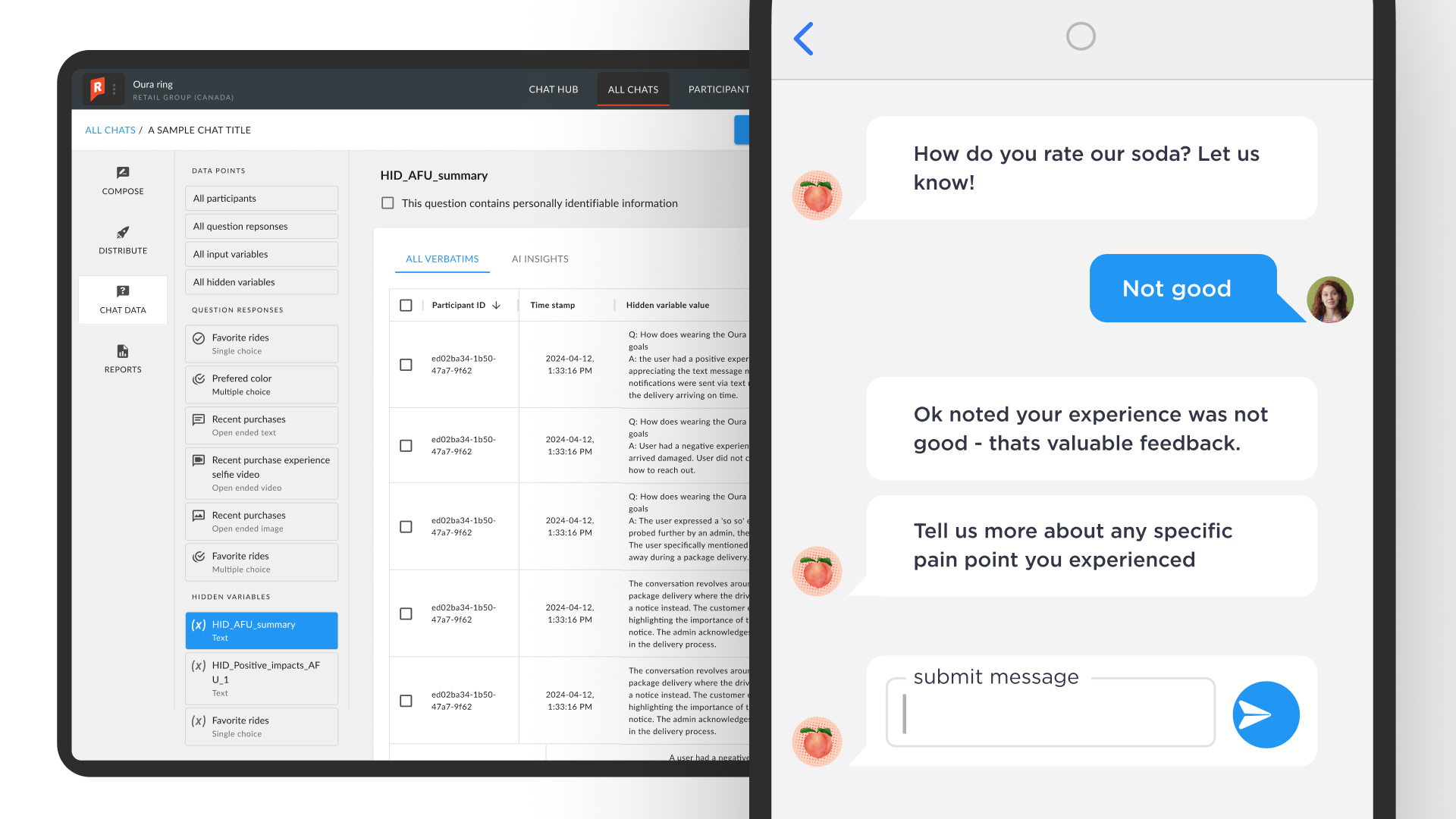
This one's small and almost nobody does it. People check out when they sense no one is listening, so write surveys that respond like a person would.
Jennifer's example is delightfully simple. When someone says they were extremely satisfied, "it's appropriate then to respond with, that's really great to hear." When someone's extremely dissatisfied, "it's appropriate to respond with, I'm really sorry to hear that. I'm so glad you're talking to me today. I really want to unpack where that dissatisfaction is coming from."
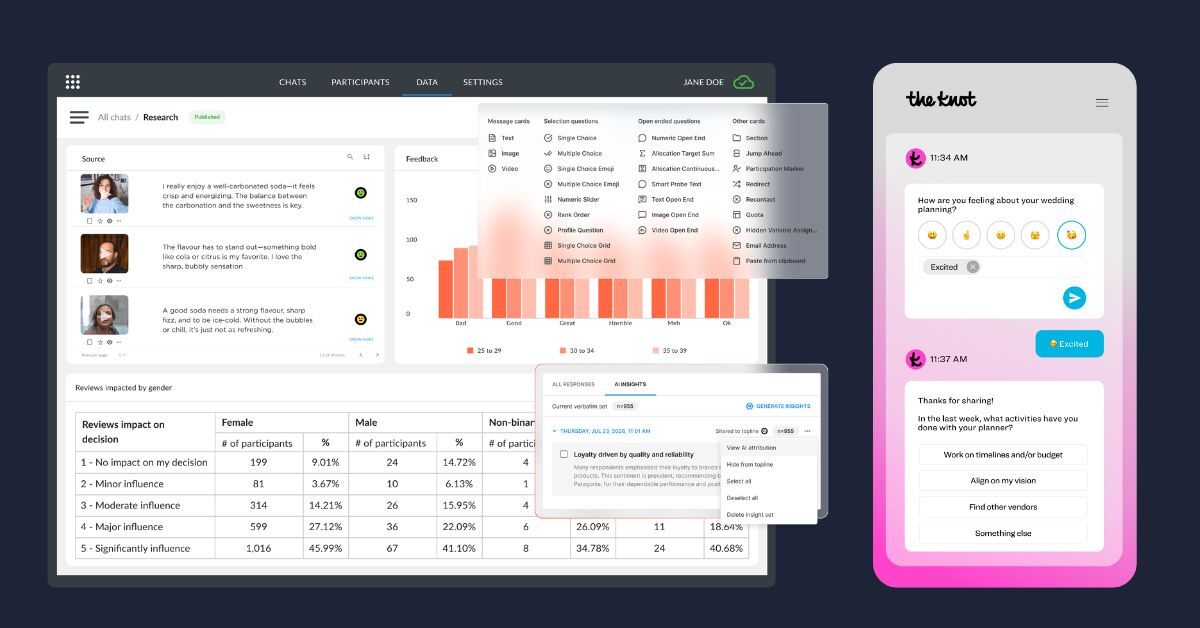
If you're evaluating top market research platforms, look for solutions that make it easy to facilitate this back-and-forth conversation. A little acknowledgement here and there can completely transform the respondent experience — and elevate the quality of customer insights you're capturing.
Quit blaming the audience
When engagement dips, the lazy move is to decide certain people just won't play along. Gen Z don't participate in research, right? And Boomers have no interest in a more fun survey experience, right? Both wrong!
"We're not seeing any fallback among older people whatsoever with respect to using this approach," Jennifer reveals. "In some cases we even see elevated engagement."
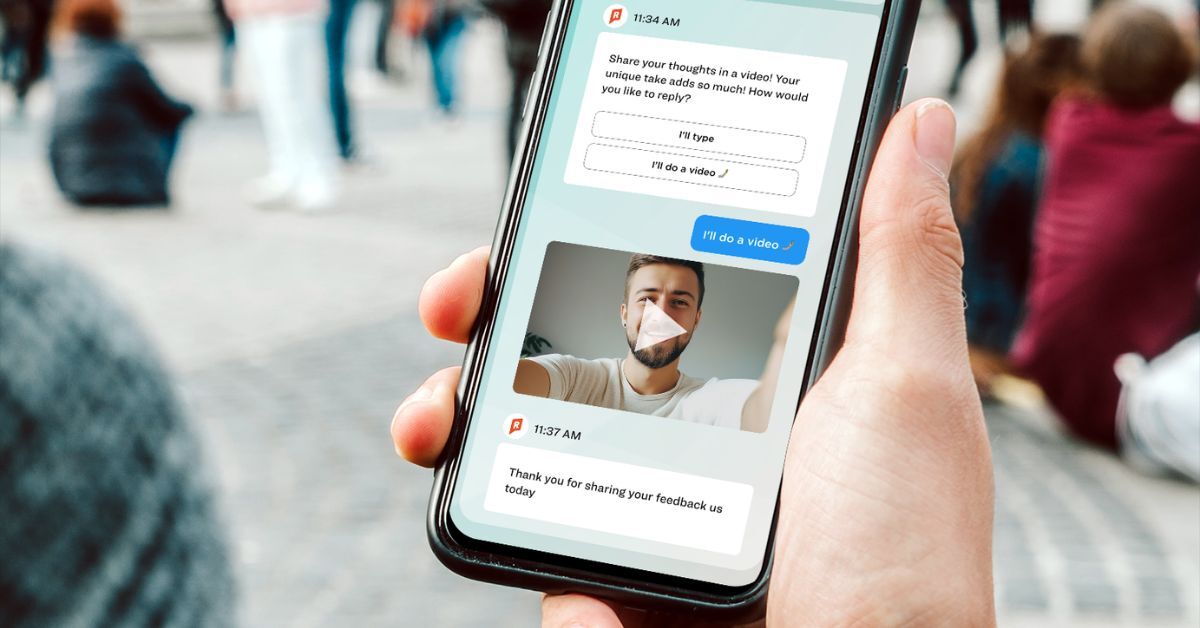
Carnival Corporation has built an insights community on the Rival platform and found that one of their best sources of video feedback is its older participants who'd rather record a quick clip than type a paragraph. If a format is genuinely natural, it works across age groups.
Survey fatigue that looks like a demographic problem is usually a design problem in a trench coat.
Share what you did with people's feedback
Reducing survey fatigue doesn't stop once you've sent the survey. To create mutual exchange of value over a long period of time, you have to consider the drivers of engagement and create a meaningful relationship.
Unfortunately in our industry, it's not uncommon for companies to ask for feedback and never let participants know what happened next. This creates a disconnect — and discourages people from engaging in the future.
"Too often, companies still approach customer insight as a process centered on collecting feedback through surveys, compiling responses into reports and moving on to the next initiative," Paula wrote recently for CMSwire. "Customers rarely see how their input influenced decisions or shaped what happened afterward, and over time participation starts to feel transactional."
The solution is to flip the script—make it a real, two-way conversation.
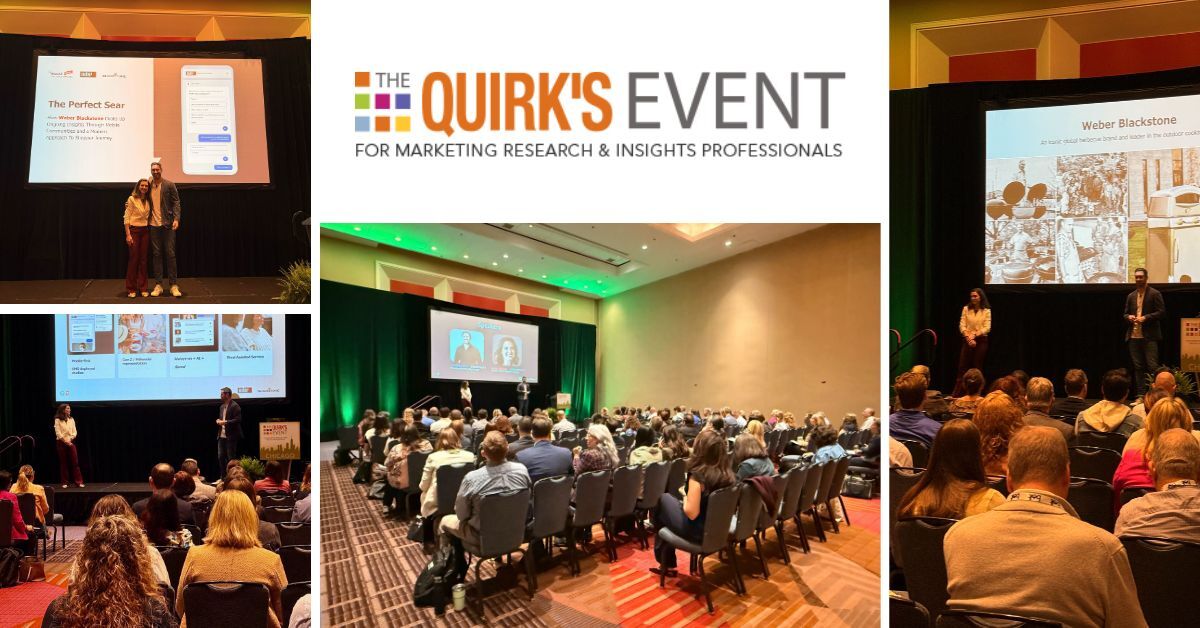
Many Rival customers — including Weber — find success in getting people to come back by sharing back how people's feedback is influencing decisions. Sometimes this means sharing a data point from a previous survey, but sometimes it can be a simple "thank you" message from your product team.
Remember that engagement starts before question one
Here's the part that lives upstream of the survey itself. Send great questions to a burned-out, over-surveyed audience and no amount of clever design will save you. This is why Jennifer thinks about panel-building more like community-building, where engagement is something you earn and keep rather than assume. Get the audience right and everything downstream gets easier. Get it wrong and you're back to Paula's warning, guessing in the dark.
FAQs about Survey Fatigue
Is survey fatigue just about survey length?
No, and this is the most useful thing to internalize. Length matters, but engagement matters more.
Rival's own research-on-research found that a longer conversational survey felt shorter to participants than a quicker traditional one, because they were more engaged. If you only ever cut questions, you're treating a symptom and ignoring the cause.
How long should a survey be?
There's no magic number, which is the honest and slightly annoying answer. 😅
A short survey that feels like a chore will fatigue people faster than a longer one that feels like a conversation. Focus on the experience first. Length is a constraint to respect, not the lever that fixes everything.
Does conversational, mobile-first research only work for younger people?
This is the assumption that refuses to die, and the evidence keeps killing it. Jennifer reports no fallback in engagement among older participants, and in some cases higher engagement, including insight communities of older participants who love giving video feedback. Natural formats travel across age groups.
Can AI fix survey fatigue?
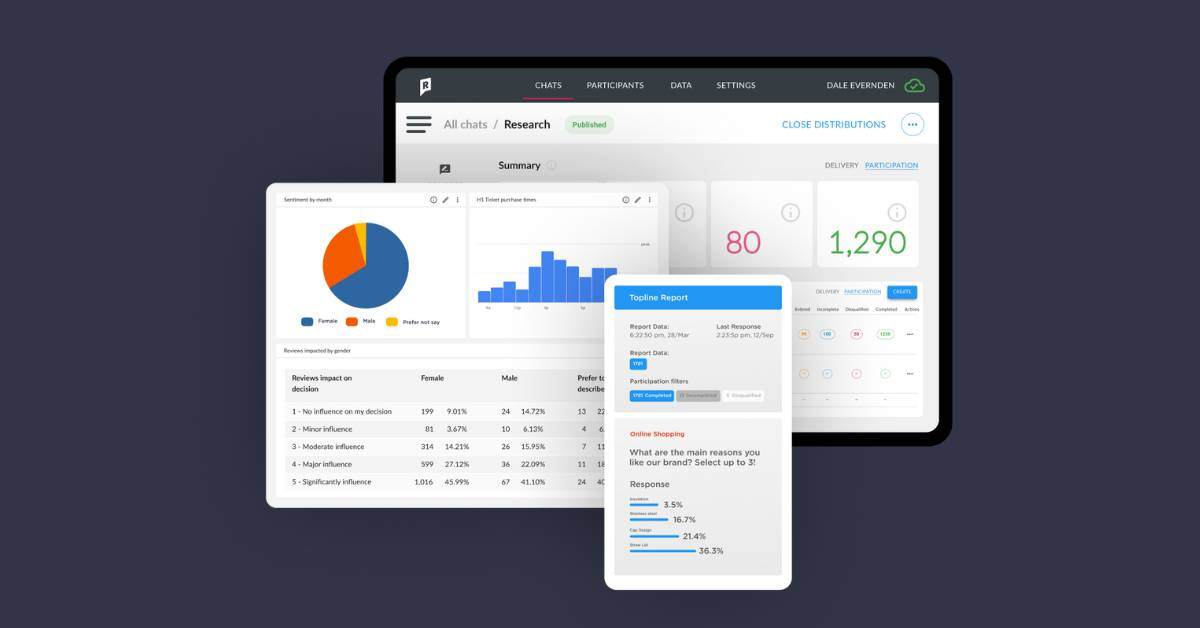
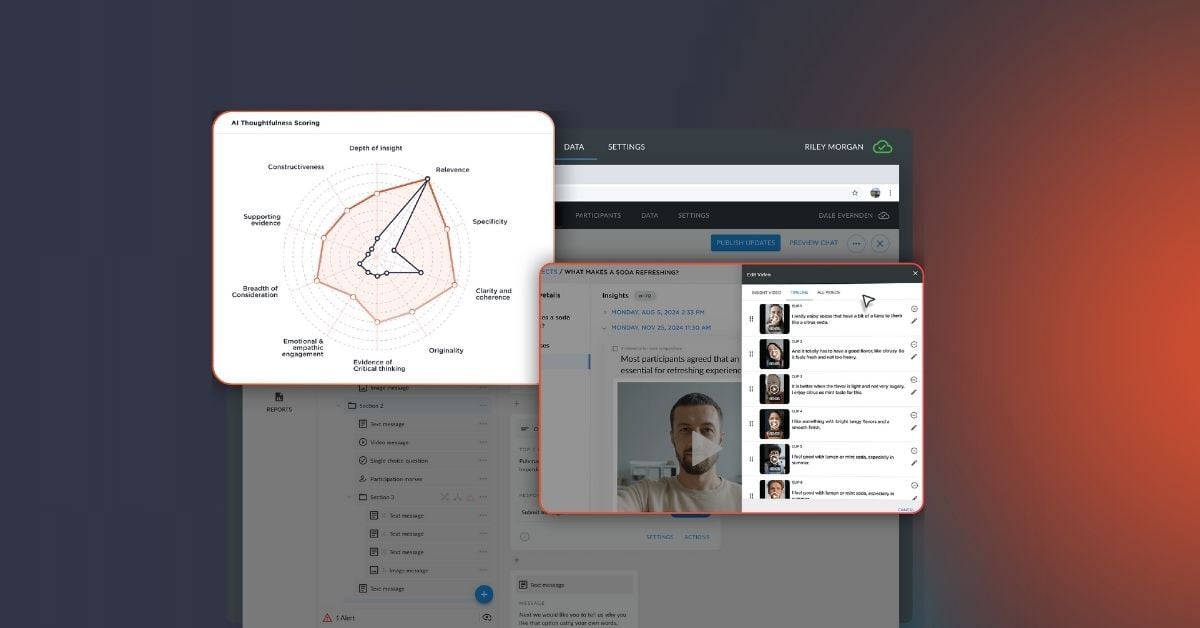
Top AI market research tools can help with design, analysis, and speed, but it isn't a cure for a survey that feels robotic. AI-accelerated insights still depend on quality human input, which loops right back to engagement. Fix the experience first. Then let AI compound the value of the better data you collect.
What are the best market research platforms to help minimize survey fatigue?
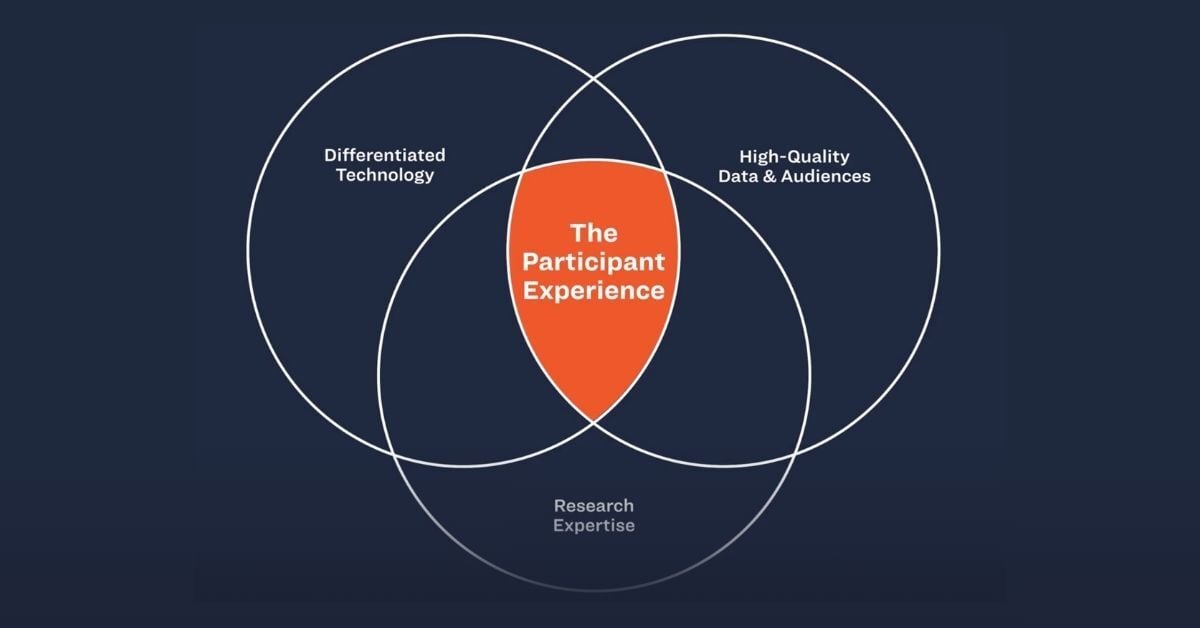
Top conversational insights platforms like Rival Technologies can help reduce survey fatigue by delivering a research experience that mirror how people talk to each other. Research-on-research shows that this approach improves engagement across all demographics (from Gen Z to Boomers), improve data quality and enhance depth of insights.






























.jpg)






















.jpg)










-1.jpg)




.jpg)

.jpg)