



Marketing leaders are facing big challenges in 2026. According to CMO Outlook 2026, a report from Lippincott and Bloomberg Media, driving sustainable marketing-led growth is one of those challenges. The report found that only 14% of CMOs say they are very confident their organization is prepared to navigate impending challenges.
That number should stop you in your tracks. Most marketing organizations, even well-resourced ones, are operating with a meaningful confidence gap.
So what's missing? Paula Catoira, CMO at Rival Group, has a clear answer. In her recent CustomerThink piece, Why Customer and Digital Leaders Are Using Insight Communities to Make Faster, Better Decisions, Paula argues that many teams are making high-stakes decisions without a direct, ongoing line to what their customers actually think. And in an environment this uncertain, that gap is expensive.
Why marketing leaders lack real customer connection
The Lippincott report paints a telling picture of the modern CMO experience. CMOs are actively deprioritizing the long-term brand-building initiatives they believe are critical for future growth, favoring short-term performance outcomes that strengthen internal credibility and influence. The pressure to prove impact quarter over quarter is real.
But the more teams tilt toward internal metrics and executive priorities, the more they risk losing touch with the very customers their decisions are supposed to serve.
In her article, Paula frames it plainly: "Relying on instinct or internal debate alone, without customer input, is reckless and doesn't stand up to the level of accountability leaders now face."
That's not a critique of individual marketers. It's a structural observation about how most teams are set up to make decisions. And it points directly to what needs to change.
How smart marketing leaders are building more meaningful customer relationships
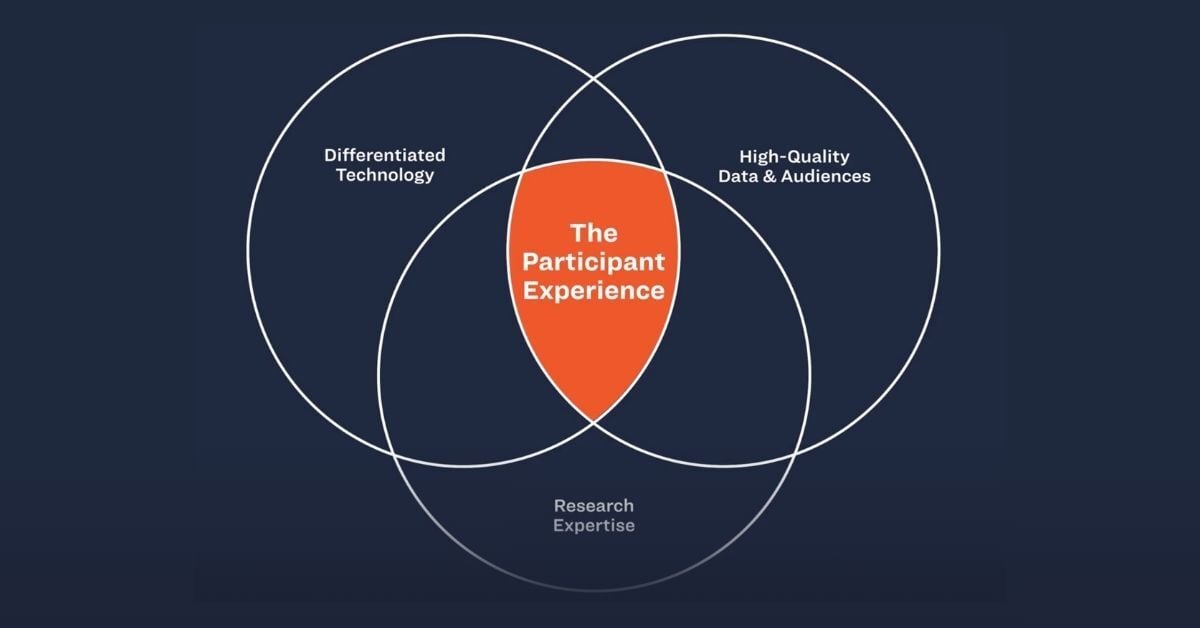
An insight community, as Paula describes it, is a dedicated group of customers who have opted in to share feedback on an ongoing basis. The continuity is the point. One-off studies give you a snapshot. An insight community gives you a living signal, context that builds over time and can be tapped whenever a decision needs grounding.
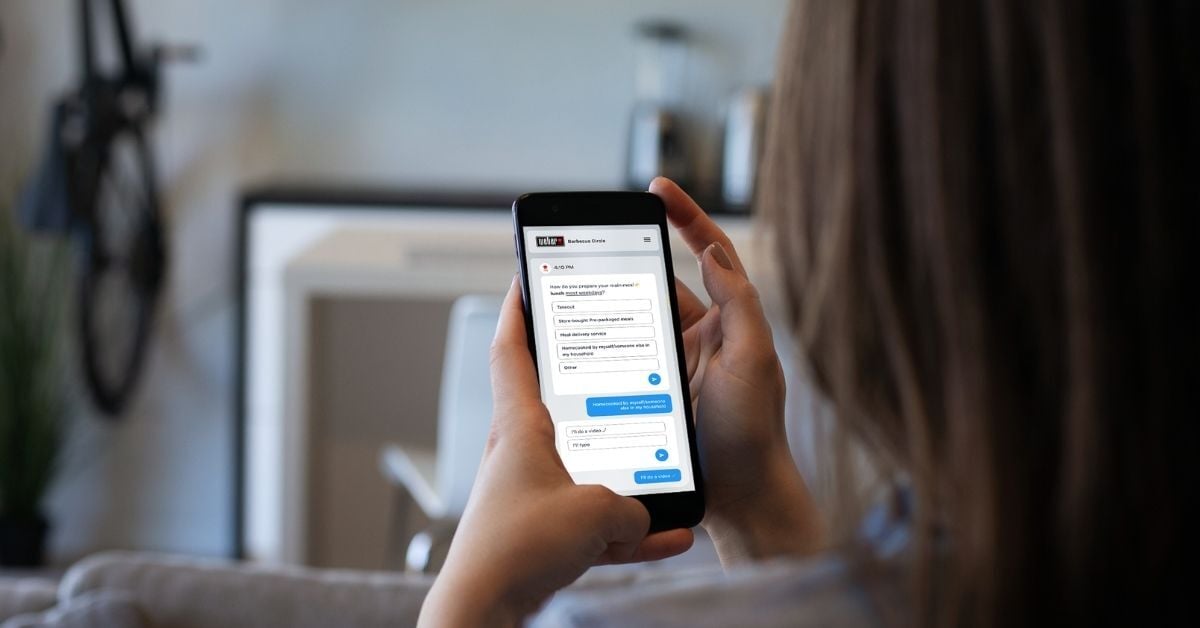
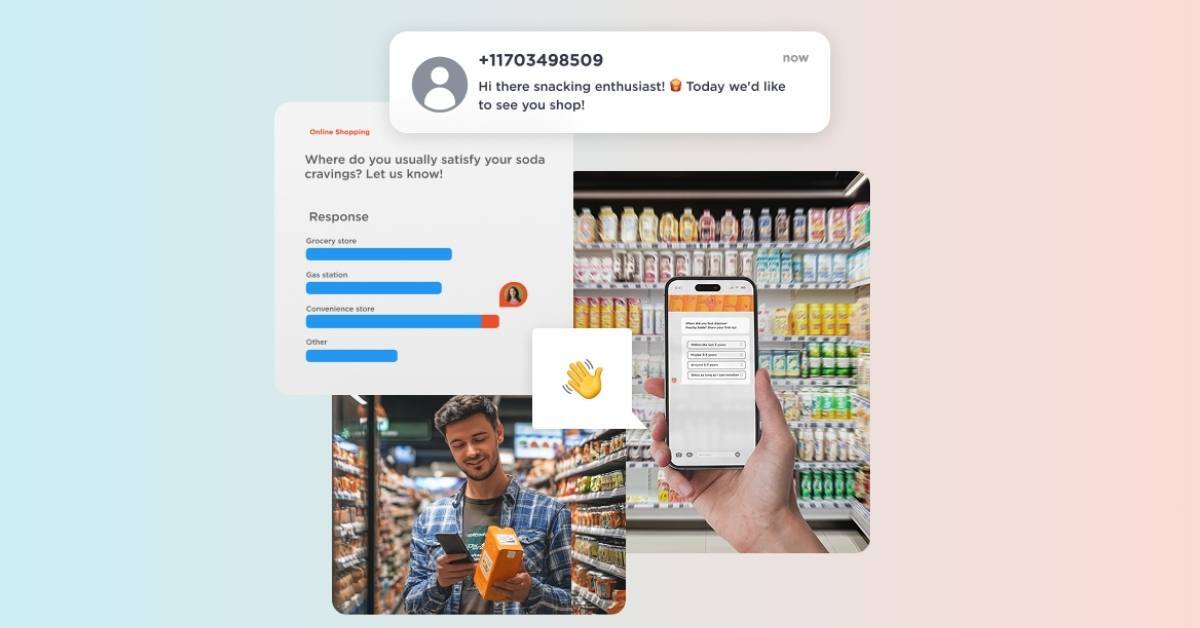
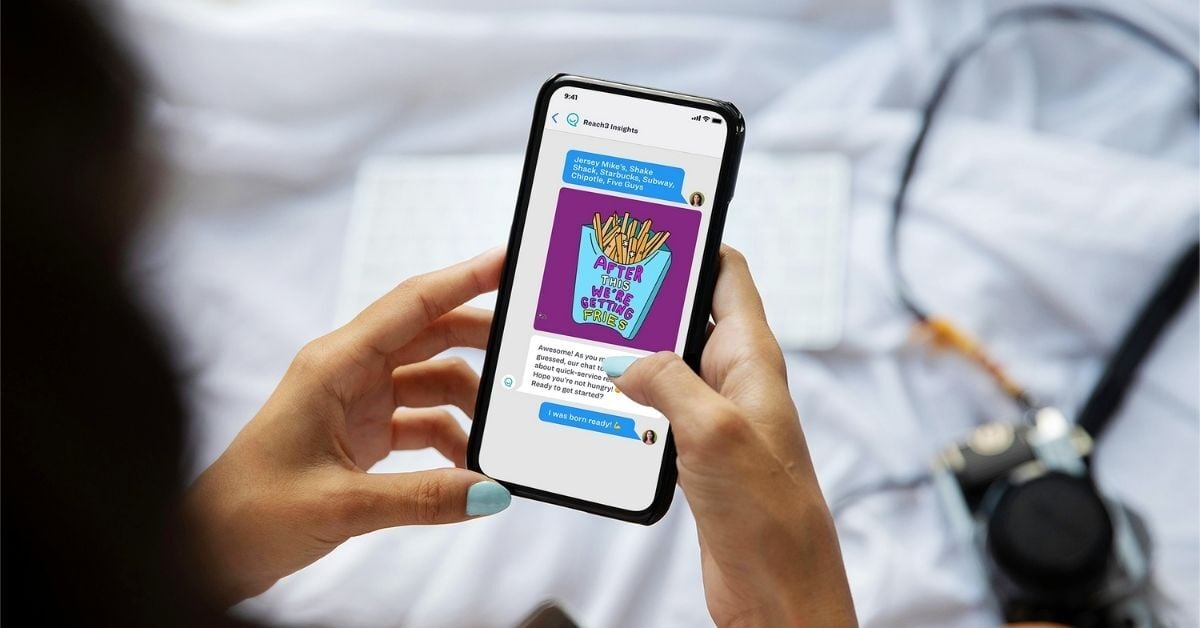
Her example from John Deere illustrates the practical difference. Their customers are often in a field or in a combine, which makes traditional research slow and recall-dependent. By shifting to a mobile-first insight community with SMS-based outreach, the team could gather feedback while customers were actively using equipment. Decisions stopped being made on delayed data. Teams could see what was happening in the moment and respond accordingly.
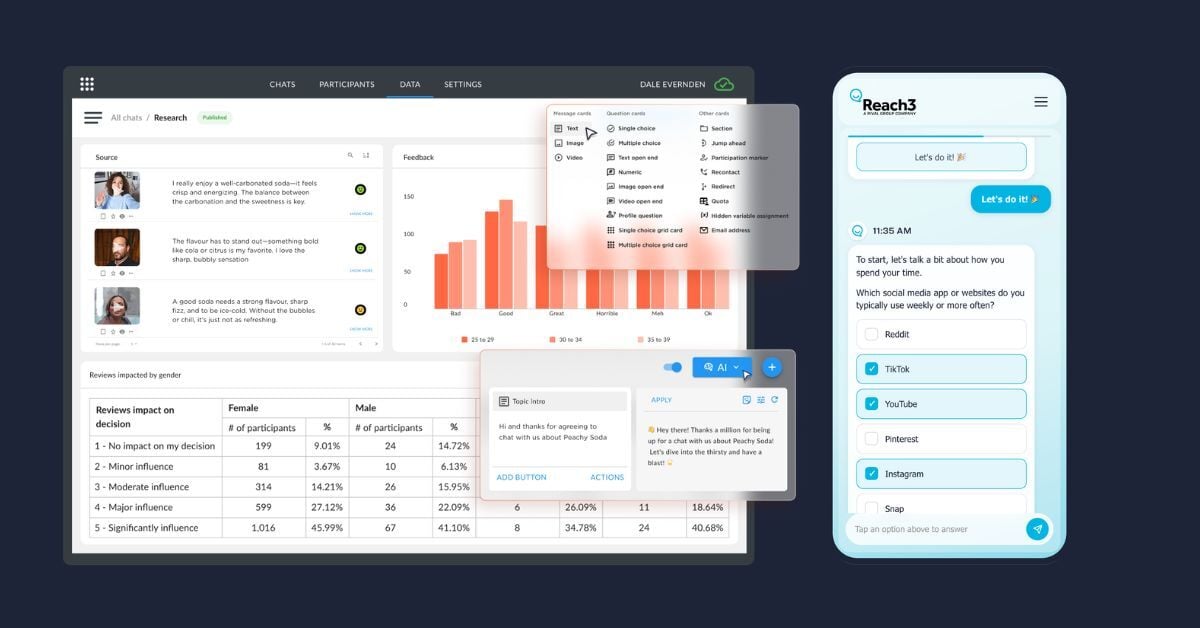
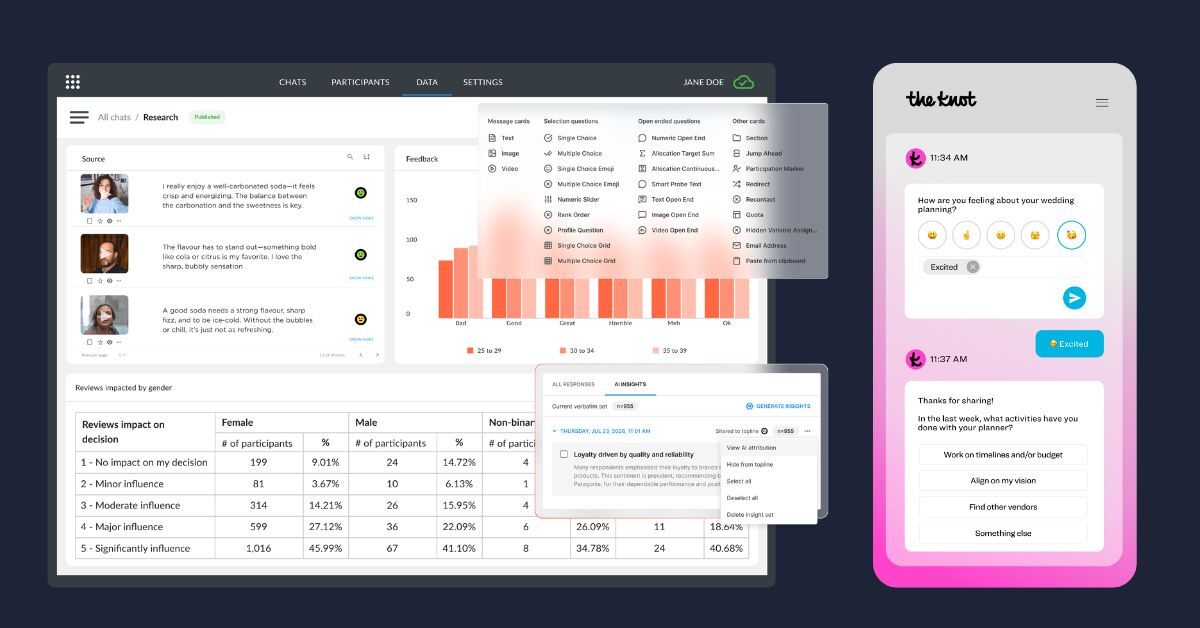
That kind of real-time customer connection is exactly what teams need to close the gap the Lippincott report describes. For teams already thinking about where conversational research fits in a modern insights stack, this is what it looks like in practice.
How can insight communities help marketers in 2026?
Paula structures the value of insight communities around four meaningful business outcomes.
Make decisions with more confidence
The Lippincott report surfaces organizational friction as a hidden driver of poor marketing effectiveness. Insight communities address one core source of that friction: the absence of timely customer input at the moment decisions are made.
As Paula puts it, "instead of committing fully and hoping for the best, teams can validate direction before momentum, timelines and resources make change difficult." That's a meaningful shift in how risk is managed.
Move faster without moving blind
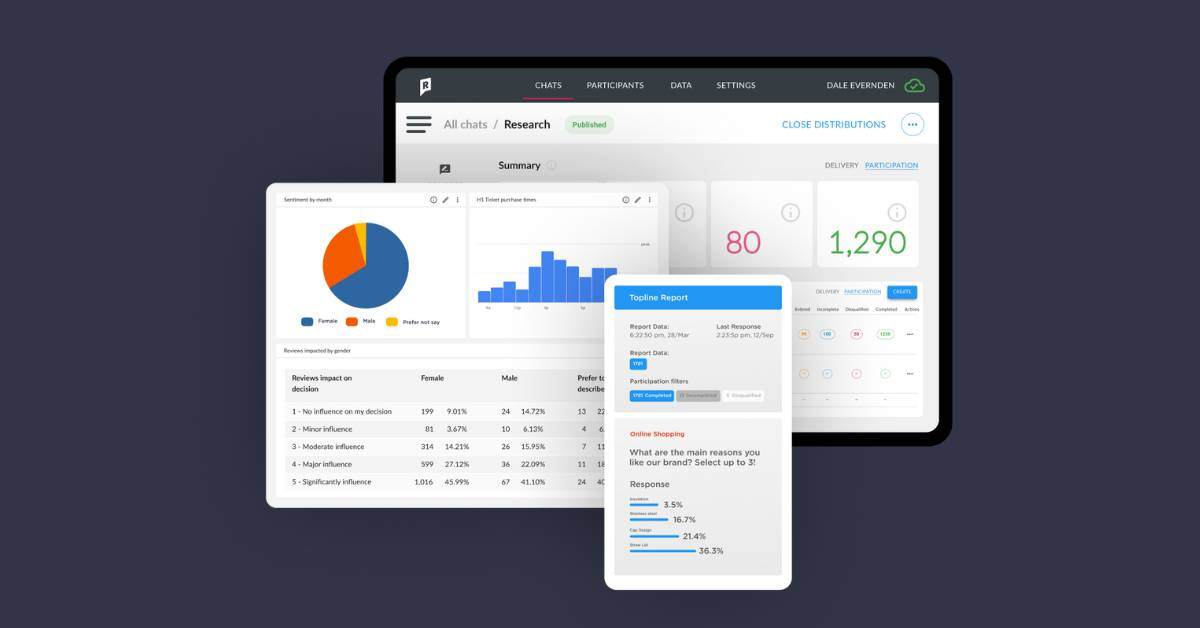
Annual studies still have a role. But they're not built for a campaign already in motion or a market that shifted last week. Insight communities shorten the distance between question and answer, so teams can engage customers early, learn what resonates, and move while the window is still open.
Speed matters. Customer grounding is what makes that speed sustainable.
Stay relevant as the market moves
In 2026, cultural relevance has become an operational challenge as much as a creative one. Slow decision-making, fragmented governance, and organizational complexity often prevent brands from responding to culture at the speed required.
Insight communities help by surfacing shifts in customer language, expectations, and priorities earlier, before a brand realizes too late that the market has moved on without them.
Build alignment across the organization
When customer feedback is continuous and visible, conversations across marketing, product, sales, and leadership are grounded in a shared reality. Paula frames this as leverage for marketing leaders, not just in campaigns but in the enterprise-level conversations where strategic bets get placed.
Teams with that kind of ongoing customer evidence carry more weight in those rooms.
How CMOs can close the confidence gap
The Lippincott stat is striking, but it's also an invitation. If only 14% of CMOs feel fully prepared, the other 86% have a question worth asking: what would it take to feel more confident?
Better data. Faster signal. Decisions that are grounded in customer reality rather than internal assumption.
Paula's closing point gets at it directly: "Speed matters, but speed without customer grounding simply accelerates risk." The teams that are navigating 2026 well aren't just moving faster. They're moving with better inputs.
Insight communities aren't a silver bullet. But for teams that are making decisions based on gut feel, last quarter's numbers, or periodic research that's already stale, they represent a meaningful shift in how those decisions get made.
Check out Paula's full article here.
Curious about building an insight community to help your marketing team navigate the biggest changes in 2026? Request a demo or check out our insight community evaluation kit for resources.





























.jpg)





















.jpg)










-1.jpg)




.jpg)

.jpg)