


Qualtrics Alternatives: Top Research and VoC Platforms for Insights

KEY TAKEAWAYS
- Cost, enterprise complexity, AI innovation and declining survey engagement are top reasons why some insight leaders are considering Qualtrics competitors.
- Rival Technologies is a Qualtrics alternative that delivers higher engagement and high data quality through its conversational research approach.
- Other Qualtrics competitors (like Question Pro) focus on mid-market, while others (like Askia) focus on agencies.
- The right Qualtrics alternative for you depends on your research needs, budget and how much you value the respondent experience and the quality of the feedback and data you're getting from the participants.
Qualtrics has long been one of the most recognized names in survey software and Voice of Customer (VoC) research. It helped define the experience management category and remains a popular choice for enterprise organizations running large-scale customer, employee, and market research programs.
But the market is changing quickly. AI-enabled platforms have made survey creation, feedback analysis, and reporting far more accessible than they were just a few years ago. According to CMSWire, organizations are increasingly shifting their focus from simply collecting feedback to proving measurable business outcomes and operational impact. That shift is prompting many research and CX leaders to ask whether Qualtrics is still the right fit.
Below, we explore the top Qualtrics alternatives and competitors for survey research and VoC programs, including platforms built for enterprise CX teams, agile research departments, and insight communities.
Why Look for Qualtrics Alternatives?
1. Cost and Enterprise Complexity
Qualtrics is powerful, but it comes with enterprise-level pricing and implementation complexity to match.
According to Qualtrics G2 reviews, the average implementation takes around three months — and that's before factoring in the ongoing admin overhead required to keep the platform running. For smaller research teams or lean CX departments, that friction adds up: long setup cycles, steep learning curves, and licensing structures that can grow expensive as needs evolve.
The cost issue goes beyond the base price. As an article from Joyous notes, add-ons like AI analysis, multi-language support, zero data retention, and SMS distribution each carry additional fees — costs that tend to compound as use cases expand.
2. AI Is Commoditizing Traditional Survey Workflows
One of the biggest shifts in the VoC market is that AI is rapidly making basic survey analysis and reporting table stakes.
CMSWire notes that feedback collection and insight generation are no longer enough on their own — buyers now expect research software to support real-time decision-making, workflow integration, and measurable business outcomes. That's created demand for insight platforms that are easier to deploy, more action-oriented, better at engaging respondents, and more tightly integrated into operational workflows.
3. Declining Survey Engagement
Traditional surveys are also facing participation challenges. Industry reporting suggests response rates have declined significantly in recent years as consumers grow fatigued by long, repetitive questionnaires. That's pushing insight teams toward mobile-first research, conversational experiences. Research providers that modernize the respondent experience are gaining ground as a result.
4. Platform Consolidation Risk
The VoC market is consolidating fast — and that introduces a category of risk that didn't exist a few years ago.
In May 2026, Qualtrics completed its $6.75 billion acquisition of Press Ganey Forsta, one of the largest consolidations in the Voice of the Customer software market. The deal brings together Qualtrics' experience management platform with Press Ganey Forsta's healthcare analytics and market research capabilities, which serve more than 43,000 clients globally.
For current Forsta customers — particularly those using it for market research — the near-term picture is uncertain. Forrester analysts expect Forsta customers to feel pressure to migrate to Qualtrics, but caution that they should not simply accept a like-for-like transition. The integration timeline remains unclear, and analysts anticipate Qualtrics will maintain both employee experience platforms separately for a period before sunsetting Forsta's.
There are also financial signals worth watching. Analysts have flagged pricing complexity tied to Qualtrics' interaction-based AI add-on model, an absent model context protocol implementation for cross-agent orchestration, and integration risk from the acquisition as meaningful cautions for buyers evaluating the platform today. Earlier in 2026, JPMorgan and other banks halted a $5.3 billion debt deal for Qualtrics after investor demand evaporated amid concerns about AI disruption risk in the enterprise software sector — a sign that even market leaders aren't immune to the structural pressures reshaping this space.
For organizations currently on Forsta, or those evaluating Qualtrics for the first time, this is a moment to ask hard questions about platform roadmap, migration timelines, and what the combined entity will actually prioritize.
Top Qualtrics Alternatives and Competitors
1. Rival Technologies
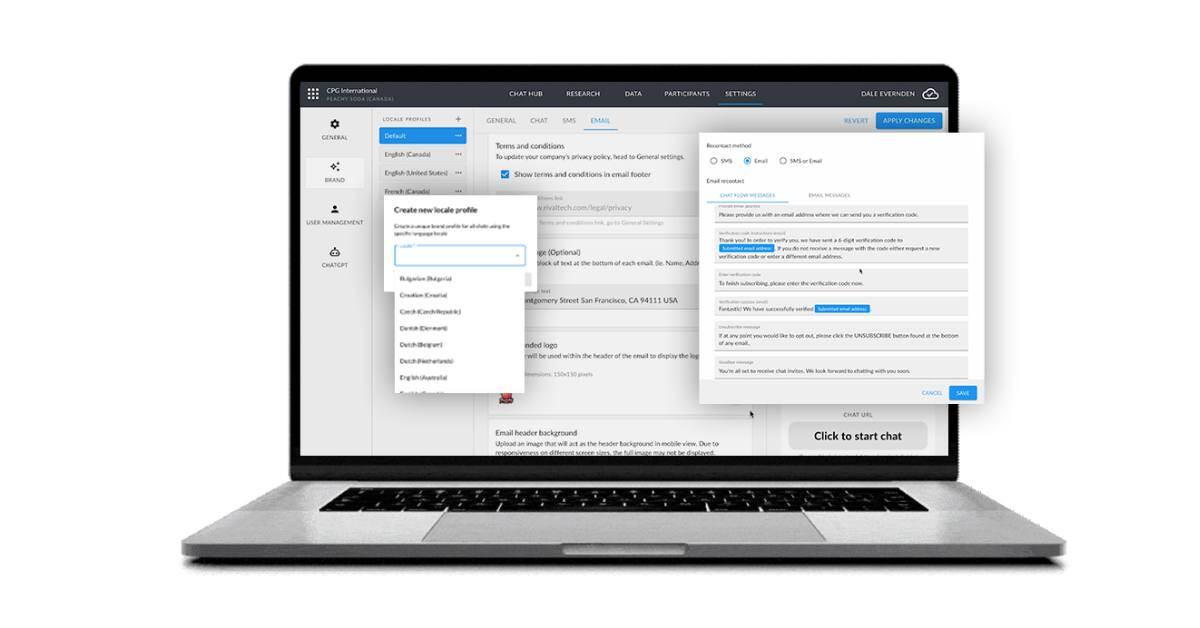
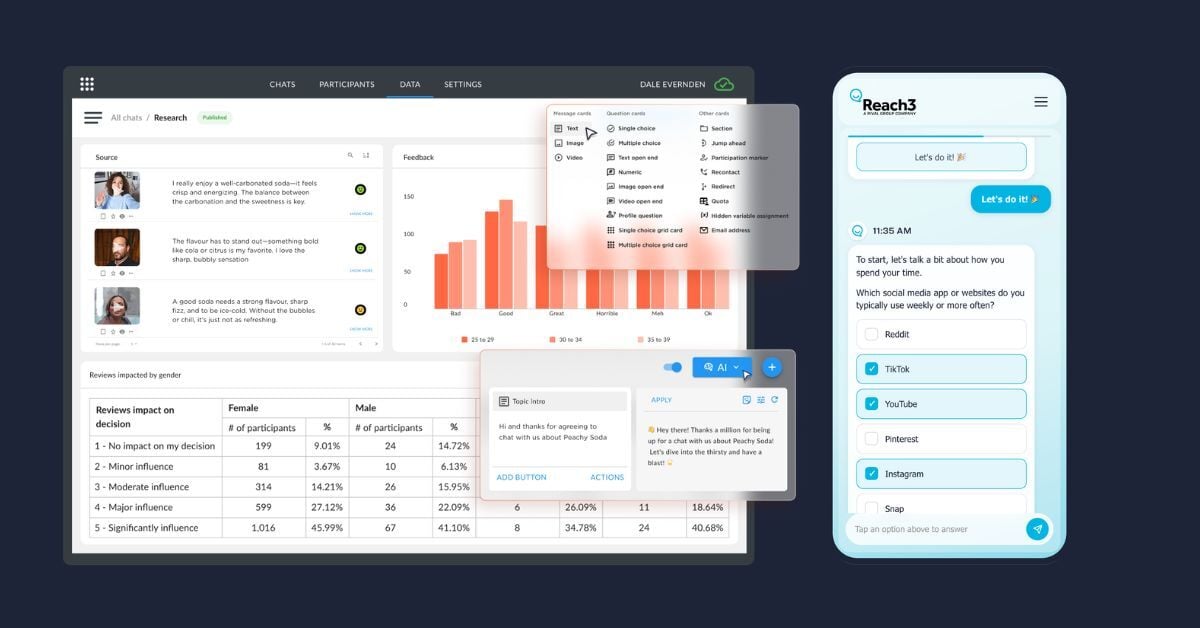
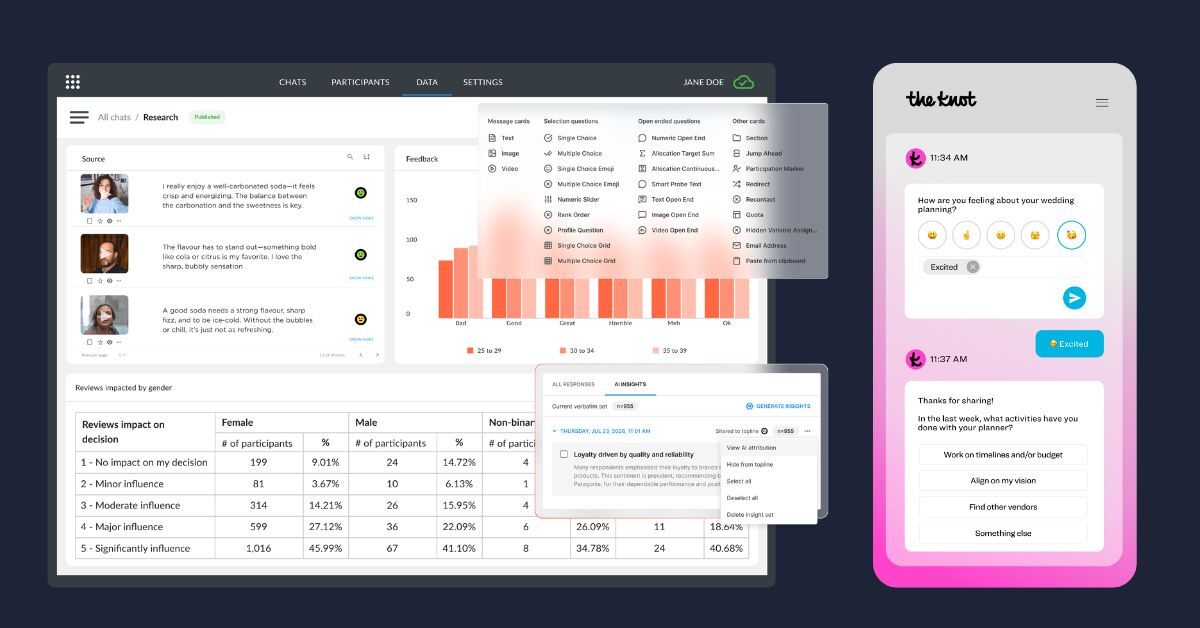
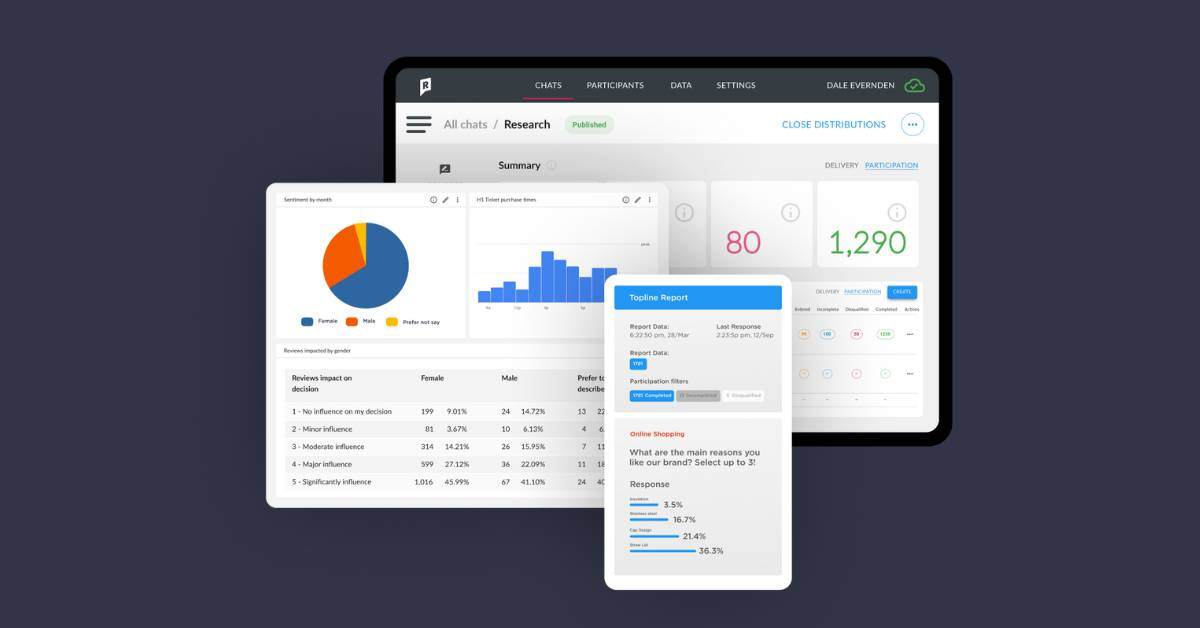
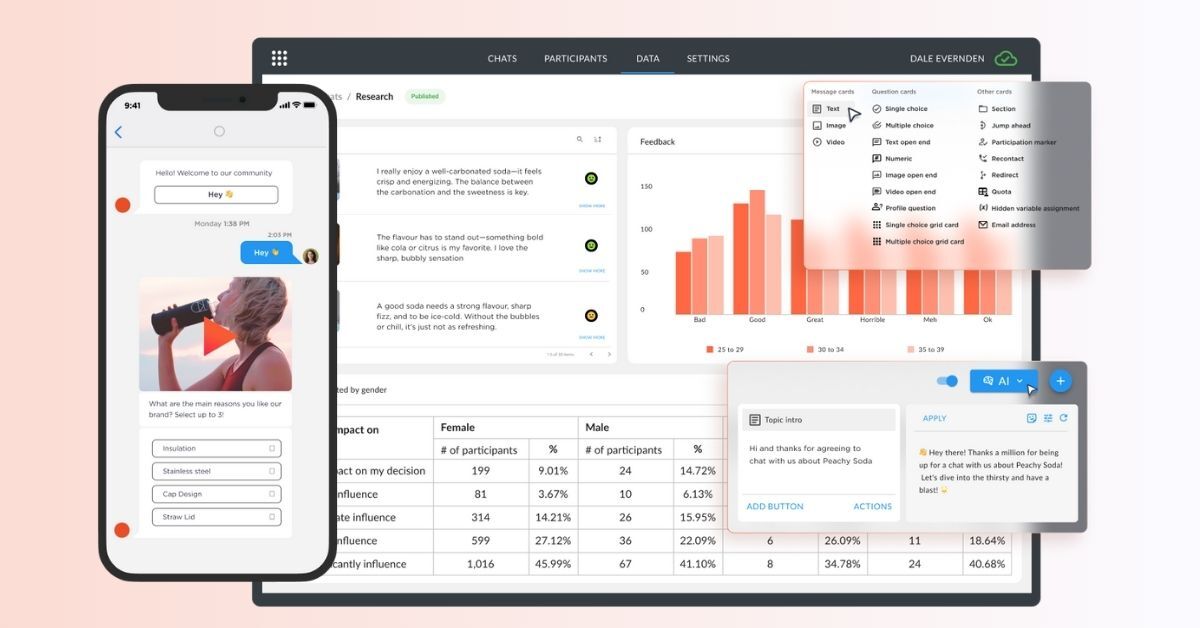
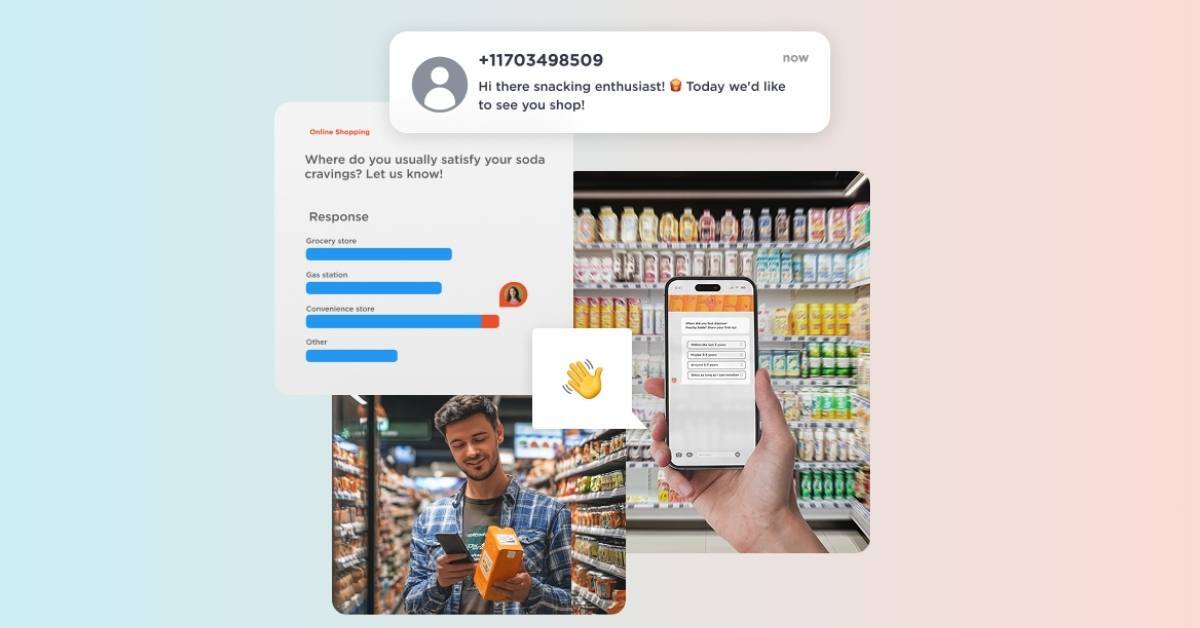
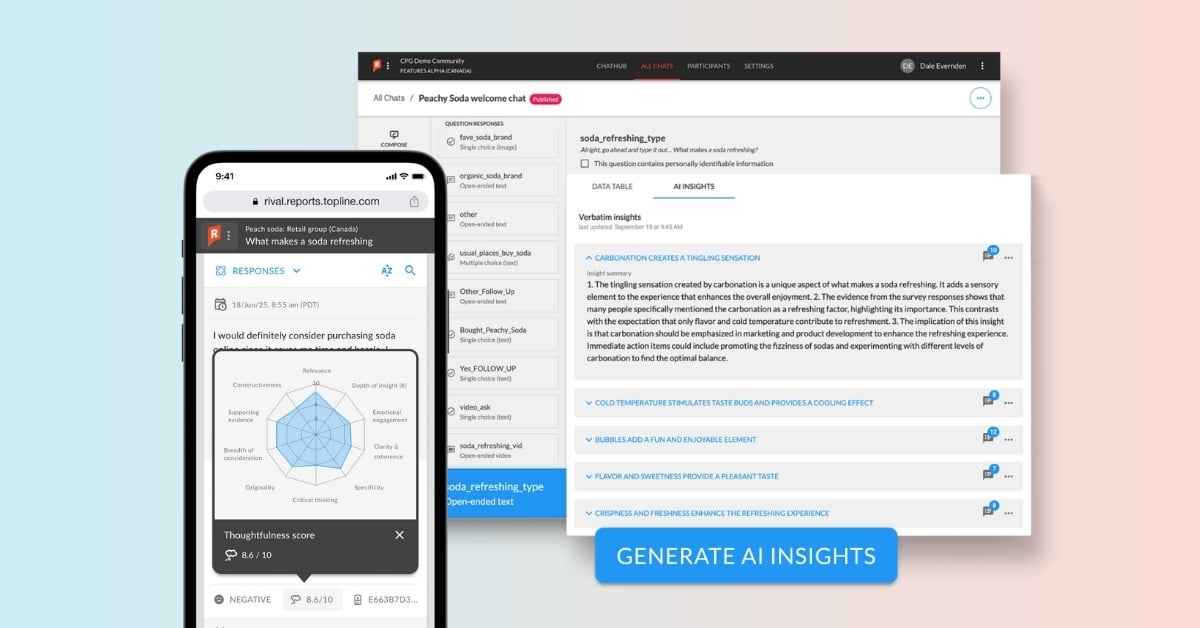
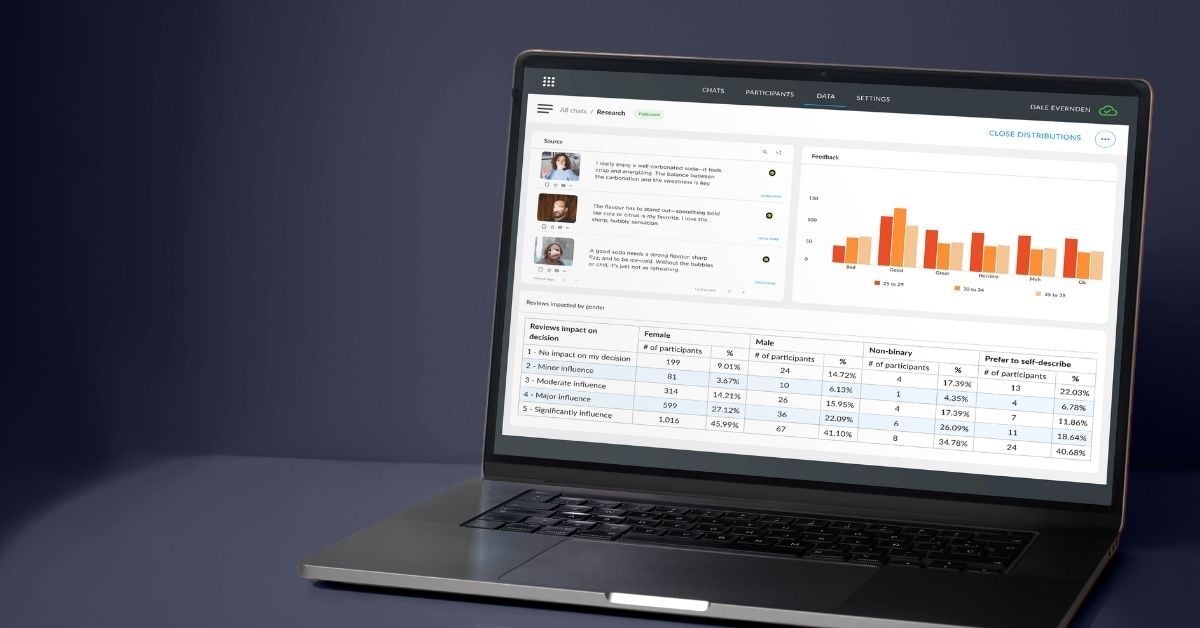
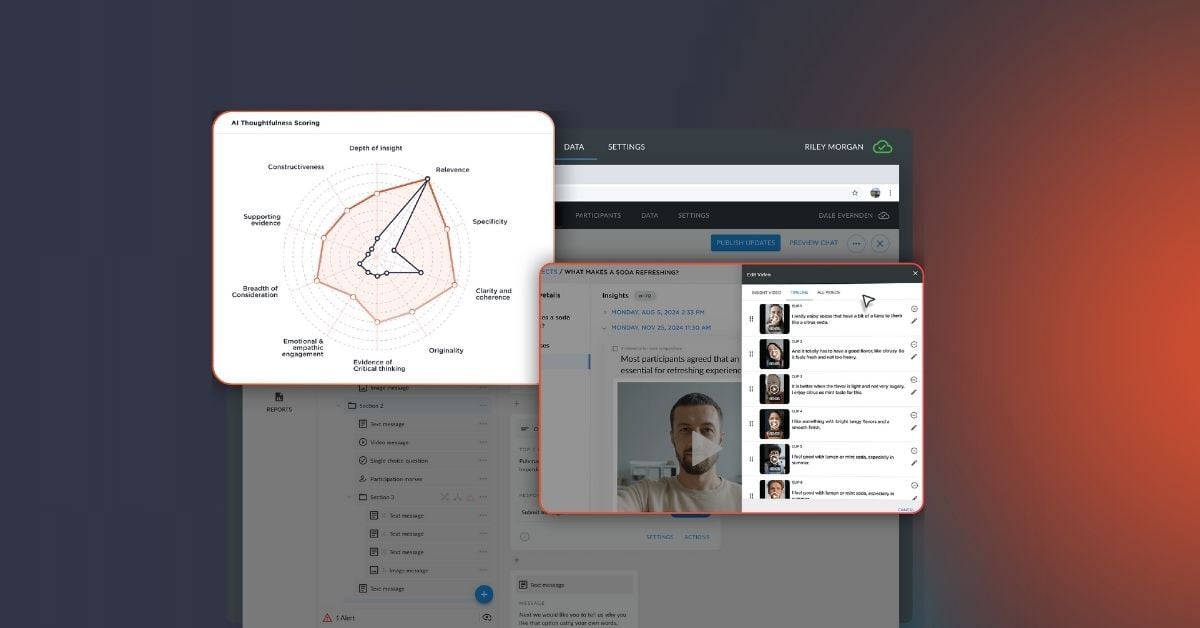
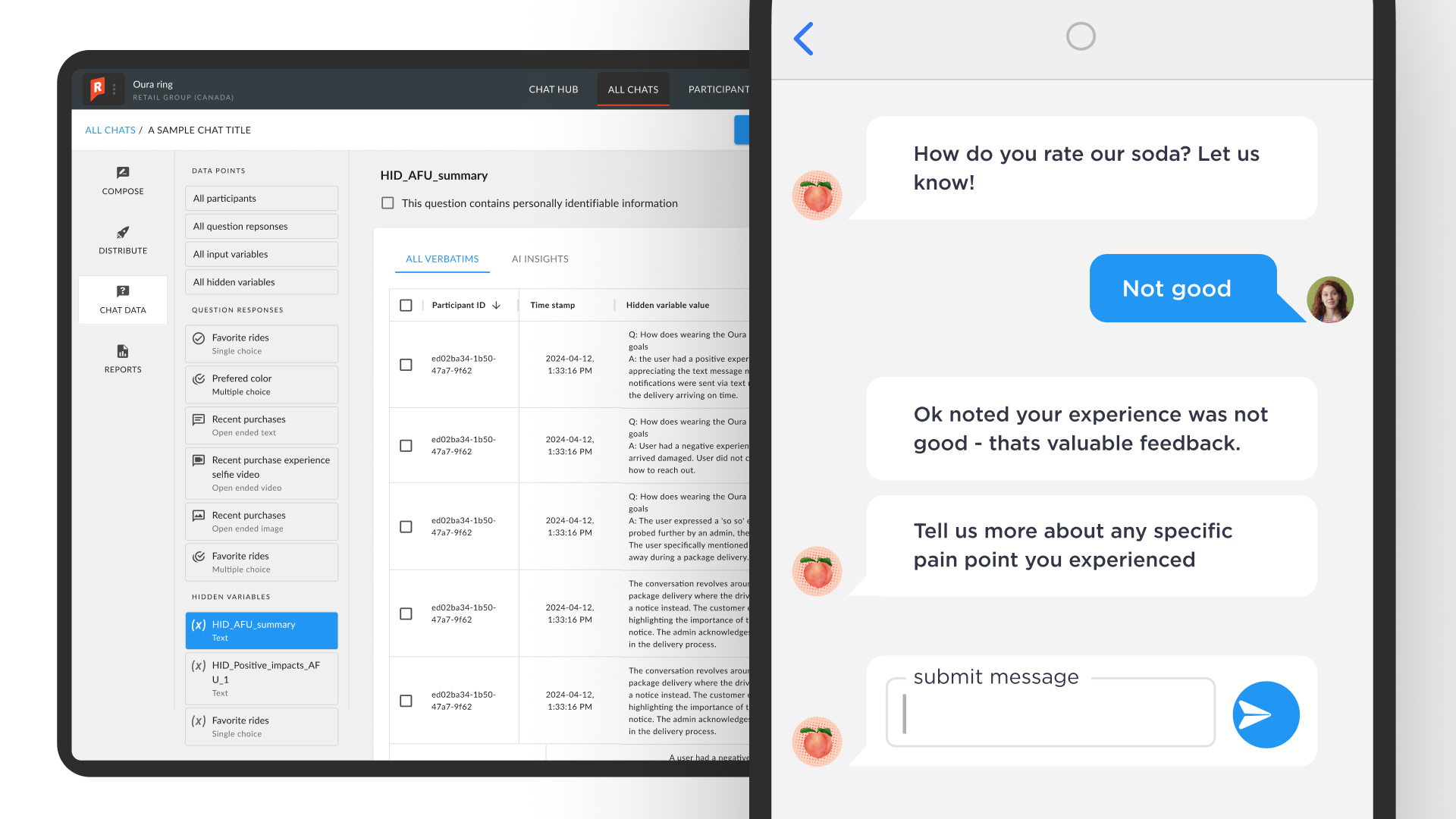
Rival Technologies is an AI-powered conversational research platform built for organizations that need a robust solution capable of capturing real-time quant, qual, and unlimited video feedback. Unlike traditional survey platforms built around static questionnaires, Rival focuses on mobile-first, chat-like experiences designed to feel natural for participants — an approach that drives stronger engagement across demographic groups, from Gen Z to Boomers, and delivers 8x deeper feedback.
Where Qualtrics is built for enterprise-scale experience management, Rival differentiates on usability, participant experience, speed, and AI innovation. The company uses a labs-based approach to quickly develop new AI capabilities in partnership with customers like Oura, which tends to shorten the distance between feature development and real-world application.
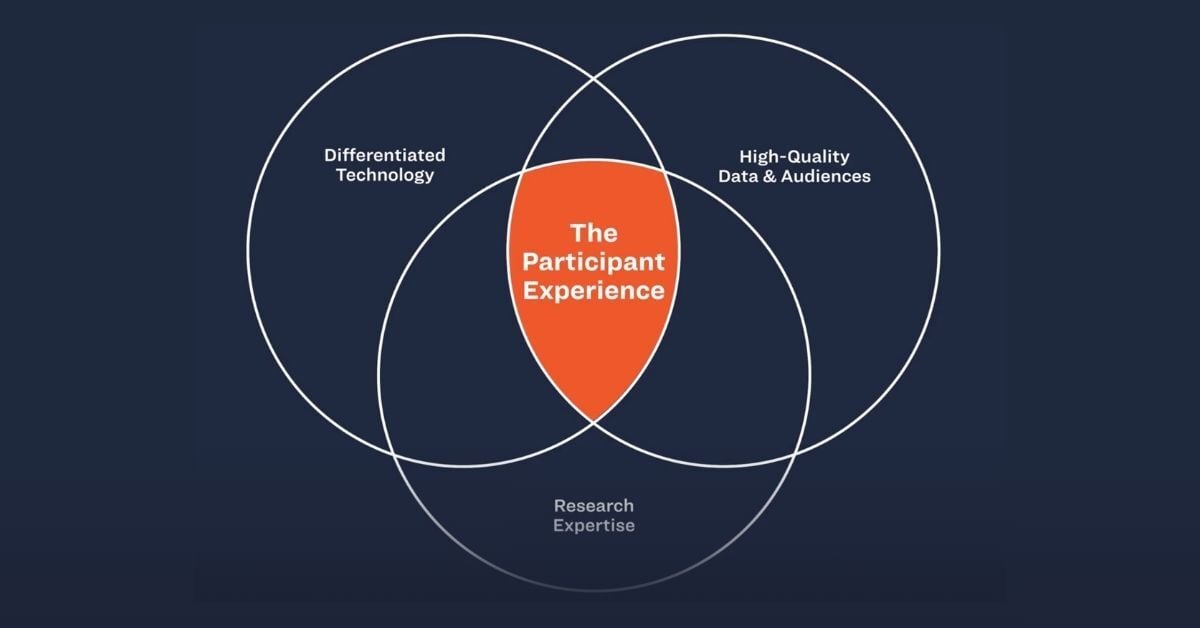
Among Qualtrics competitors, Rival stands out for offering more than just technology. Through Rival Audiences, Reach3 Insights, and Angus Reid, customers have access to high-quality panels and full-service research support — an "insights trifecta" that companies like Weber and Warner Bros. Discovery have used to scale their research and VoC programs. Most teams can get up and running within a couple of weeks, with no lengthy onboarding required.
Best for: Insight communities / customer panels, agile consumer research, brand tracking, concept testing, longitudinal studies, in-the-moment research (like IHUTs and mobile shopping missions) and teams prioritizing participant experience alongside smart AI research capabilities.
Curious why former Qualtrics
customers have switched to Rival?
let's chat
2. QuestionPro
QuestionPro has evolved significantly over the past several years and now offers a robust mix of survey research, CX, and employee experience capabilities. It's often considered a strong middle ground between enterprise functionality and affordability — with a feature set that doesn't require the complexity of larger platforms to unlock.
The platform positions itself as a cost-effective alternative to Qualtrics and includes a freemium model, according to its G2 page, giving teams access to core survey research functionality before committing to a paid plan.
Best for: Mid-market organizations, research teams needing advanced survey logic, academic and institutional research, and CX programs with tighter budgets.
3. Askia
Askia is well-established in professional market research circles. According to Insight Platforms, major agencies including Ipsos, Kantar, and NiQ use Askia's market research software. Unlike newer CX-focused platforms, Askia is deeply rooted in traditional research methodology and sophisticated survey scripting.
One tradeoff worth noting: Askia generally requires more technical expertise than modern no-code platforms. G2 reviews also flag mobile display issues as a recurring concern, which is worth factoring in if participant experience is a priority.
Best for: Research agencies, advanced quant researchers, teams running highly customized studies, and large-scale international projects.
4. SurveyMonkey
SurveyMonkey remains one of the most accessible and widely used survey platforms available. It doesn't match Qualtrics on enterprise-scale experience management, but it excels in simplicity and speed — making it a practical choice for teams that need to collect feedback quickly without a steep learning curve.
One pricing caveat: G2 reviews note that several SurveyMonkey advanced features are locked behind higher-tier plans, which can limit functionality for teams on basic subscriptions. If you're looking for Qualtrics competitors, it's worth mapping your requirements against the pricing tiers before committing. Gartner Peer Insights also lists SurveyMonkey among notable alternatives in the VoC space.
Best for: Small and mid-sized businesses, quick-turn research, internal feedback programs, and teams without dedicated researchers.
5. Alchemer
Alchemer, formerly SurveyGizmo, has built a reputation around flexibility and customer-controlled workflows. It's often chosen by organizations that want more customization than SurveyMonkey offers, but less complexity than enterprise platforms like Qualtrics demand.
G2 reviews consistently highlight responsive customer support as a strength. Some reviewers note that pricing for advanced Alchemer features can be higher than expected, so it's worth getting a clear picture of total cost if you're considering this as a Qualtrics alternative.
Best for: Mid-market CX teams, operational feedback workflows, and product and customer feedback programs that need flexible automation without enterprise overhead.
6. Medallia
Medallia is one of Qualtrics' closest enterprise competitors in the VoC and customer experience space, particularly known for operational CX management and real-time feedback workflows. As of this writing, Gartner Peer Insights gives Medallia a 4.3/5 rating with 94% willingness to recommend among reviewed users.
That said, Medallia's recent financial situation has introduced some uncertainty into the buying process. As a CMSWire article notes, Gartner has heard of renewal challenges from Medallia clients — something worth factoring into a long-term platform decision, even as Medallia continues to hold its Leader position in Gartner research and serve a large global enterprise base. Like Qualtrics, it also involves significant implementation effort and enterprise-level pricing.
Best for: Large enterprises in hospitality, retail, and financial services running complex, omnichannel CX ecosystems.
7. Typeform
Typeform helped popularize conversational-style forms and surveys well before most traditional research platforms adapted to modern UX expectations. Its one-question-at-a-time design and strong brand customization make it a natural fit for customer-facing feedback collection where experience and aesthetics matter.
It lacks the advanced research and analytics capabilities of platforms like Qualtrics, Medallia, or Rival Technologies, but that's not really its lane. Where TypeForm excels is engagement and simplicity — particularly for teams that don't need the full weight of an enterprise research suite.
Best for: Marketing teams, customer feedback collection, simple brand studies, event feedback, and interactive lead generation forms.
FAQs about Qualtrics alternatives
What is the best alternative to Qualtrics?
The right answer depends on your goals and research needs. For enterprise VoC, Medallia is the closest like-for-like alternative. For conversational research and insight communities, Rival Technologies is a strong fit. For affordability combined with advanced features, QuestionPro is worth evaluating. For simplicity, SurveyMonkey. For advanced research scripting, Askia. For flexible workflows, Alchemer. For engaging forms and lightweight surveys, Typeform.
👉 Curious how Rival stacks up against Qualtrics? Book a demo to see our capabilities.
Why are companies looking for Qualtrics competitors and moving away from traditional survey platforms?
Most of the re-evaluation happening right now is driven by a combination of cost pressure, complexity fatigue, and shifting expectations around what research software should do. Organizations want faster deployment, better respondent engagement, AI-powered analysis, and mobile-first experiences — and they increasingly expect those capabilities to translate into actionable business outcomes rather than just data reports. The industry is shifting from collecting feedback to operationalizing customer insight and proving business impact.
Is Qualtrics a good research and VOC platform?
Qualtrics remains one of the strongest enterprise experience management platforms available and continues to hold a market leader position. It remains a safe option in the market research software and VOC space.
For some organizations, though, the pricing, complexity, and implementation requirements create more overhead than the platform's capabilities justify — particularly for teams that don't need everything it offers.
Which Qualtrics alternative is best for insight communities or customer panels?
Rival Technologies is particularly strong for its insight community solution. Its chat-based approach creates more natural participant experiences than traditional surveys, and its support for conversational research, mobile-first engagement, video feedback, longitudinal participation, and combined quant and qual methodologies makes it well-suited for ongoing research programs like insight communities.
Which Qualtrics alternative or competitor is easiest to use?
SurveyMonkey and Typeform are generally considered the most accessible options for non-technical users. The Rival platform also scores well on usability, largely due to its conversational interface and streamlined setup process.
What should organizations prioritize when evaluating VoC platforms like Qualtrics?
Modern VoC evaluations are increasingly focused on ease of implementation, workflow integration, AI capabilities, respondent engagement, operational impact, scalability, and total cost of ownership. As CMSWire notes, the market is moving beyond feedback collection toward measurable outcomes and actionability — and the platforms best positioned to win are the ones that can demonstrate that connection clearly.
How can I learn more about Rival's survey research capabilities?
Visit the Rival platform page for an overview. Rival's pricing is very competitive with Qualtrics and other enterprise market research software providers.
Please book a demo to learn more!
Learn why Rival is the
best Qualtrics alternative.
book a demo


































.jpg)


























.jpg)











-1.jpg)





.jpg)

.jpg)