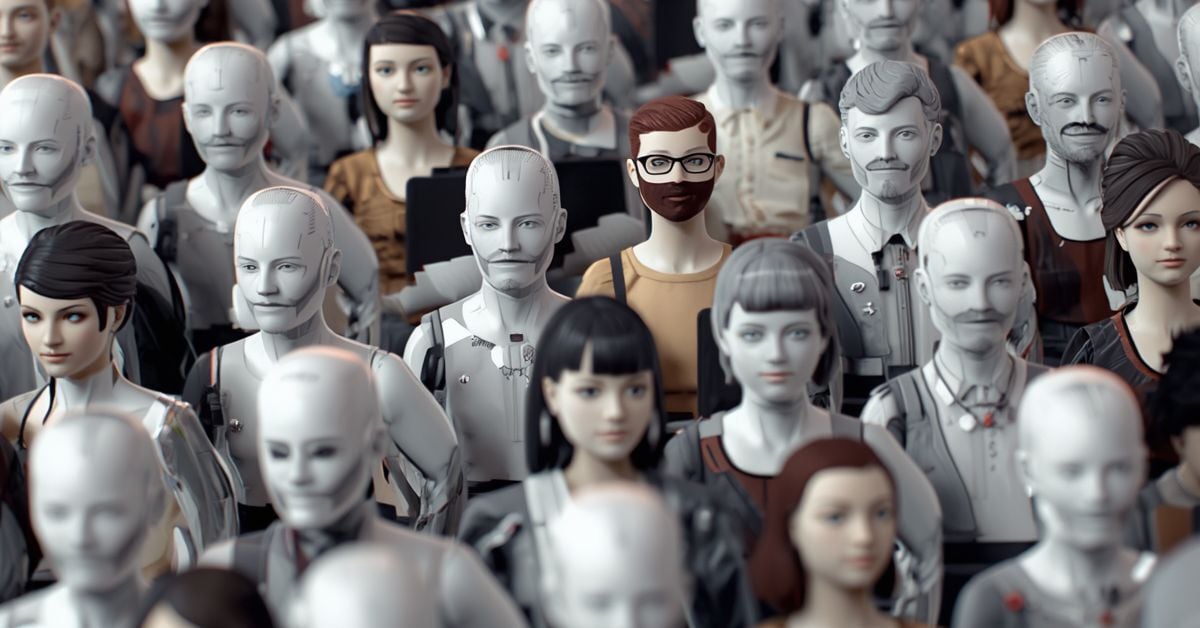




AI slop is taking over the workplace. In fact, according to Harvard Business Review, it’s already impacting productivity. And according to a study from Freshworks, correcting AI slop is costing businesses billions of dollars.
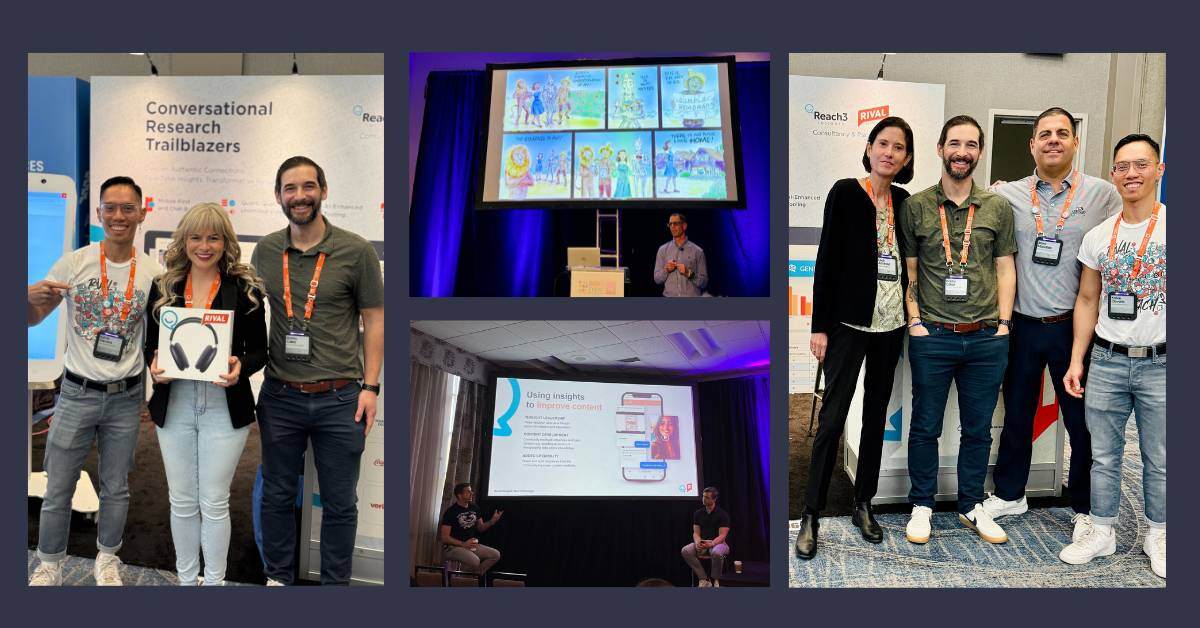
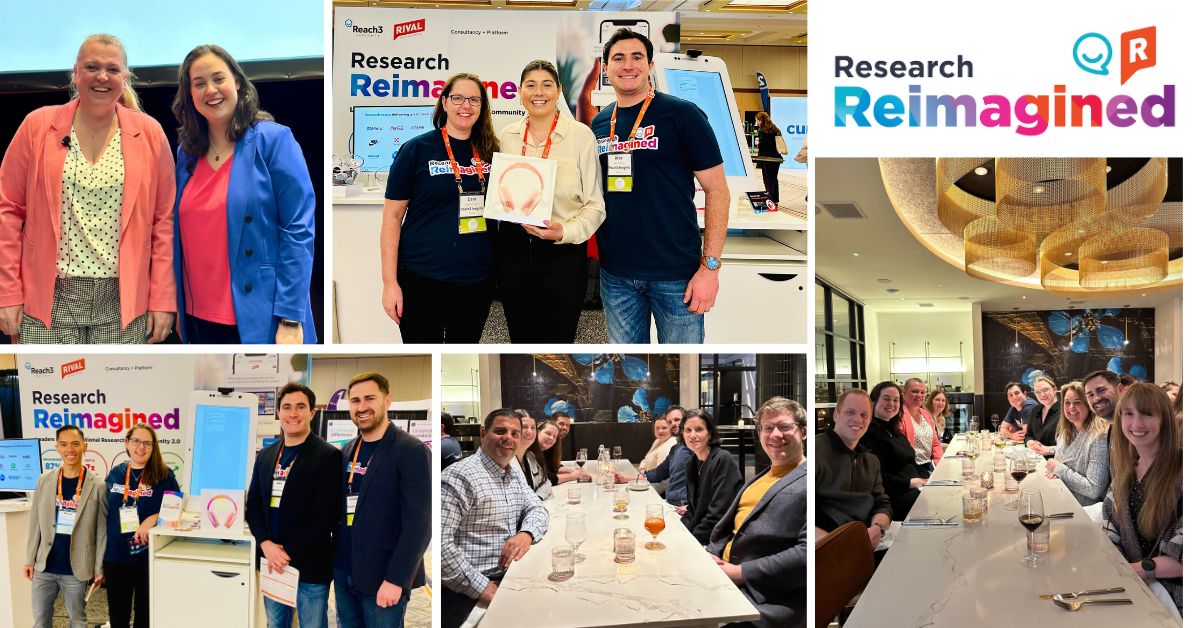
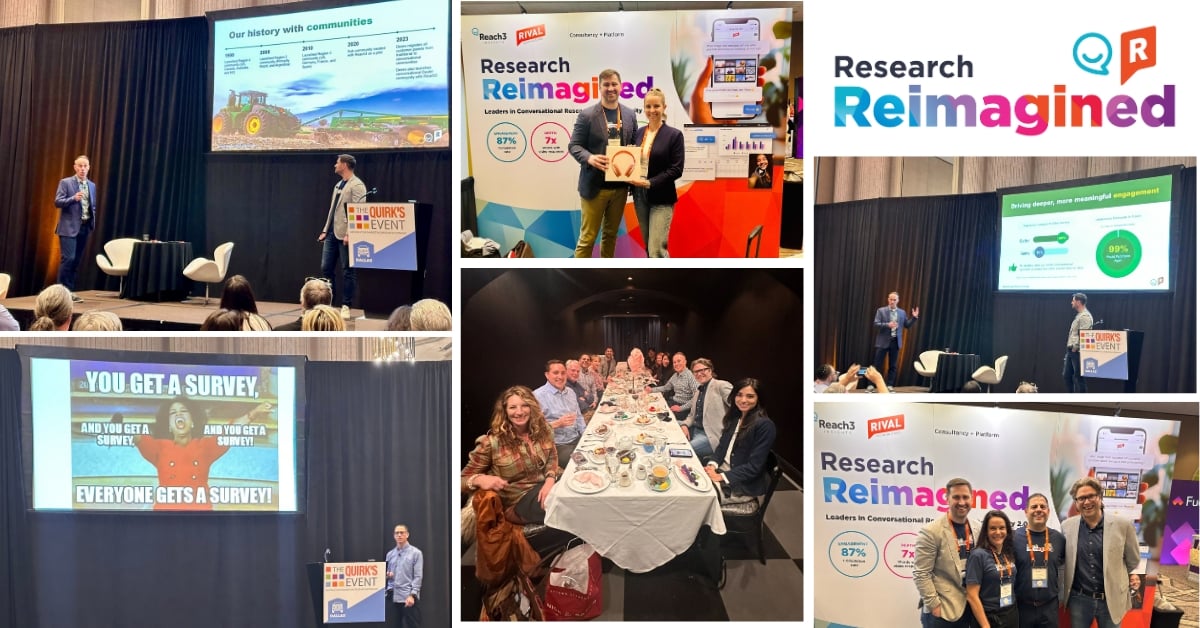
New research from Rival Technologies shows that market research and insights is no exception to the AI-slop problem. The study is based on a quick-pulse study we ran using our own conversational research platform. It was inspired by our Quirk’s AI session, which featured a conversation between leaders from Supercell, Sekisui House and our sister company, Reach3 Insights.
The findings point to three clear shifts in how insight professionals view and deal with AI slop today.
Slop triggers immediate disengagement — and it's happening constantly
The volume alone is striking. A majority of researchers report encountering suspected AI-generated content every single day; more than half see it multiple times before lunch.
And the reaction is visceral. "My eyes glaze over," said one respondent. Another put it more bluntly: "I distrust the entire content."
What makes this particularly notable is who's saying it. In our survey, 82% of respondents describe themselves as at least moderately proficient with AI, and more than 60% say their teams have woven it into real workflows. That familiarity is precisely the problem — they can spot slop instantly, and they lose trust the moment they do.
Slop reflects on the person, not just the content
One of the more striking findings is how quickly judgment shifts from the work to the person behind it. When researchers encounter obvious AI-generated content, they don't just discount the output — they discount the author.
"My gut reaction is 'Ew,'" said one respondent. "I think the person who made it is lazy, and it makes me worry about the accuracy and trustworthiness of everything that person makes or shares." Others were equally unsparing.
Another participant chimed in: "It changes my opinion about the person sharing it, often making me think they have too much time on their hands."
When researchers encounter obvious AI-generated content, they don't just discount the output — they discount the author.
What these researchers are sensing, in each case, is the absence of a human hand. The concern isn't that AI was used — it's that no one interrogated the output.
As one respondent framed it, the question becomes whether a professional made real judgments, or simply became a "copy and paste machine."
Once trust erodes, it spreads to the underlying data
The consequences go beyond aesthetics. Several researchers noted that once they recognize slop, they apply a harsher filter to everything that follows — not just that piece, but everything from that source.
In research contexts, that skepticism cuts deeper. "Knowing content is AI-generated definitely makes me trust the accuracy of survey results less," admitted one researcher, "and prompts me to ask additional questions about fraud prevention at partner research suppliers."
This is the deeper risk for the insights industry. Large language models don't carry accountability — they predict patterns based on prior text. The final layer of scrutiny is always human, and when that layer is skipped, readers sense it. Decision-making confidence drops. Trust in the underlying data comes into question.
What separates trusted AI-assisted work from slop
Our study suggests that the differentiator isn't whether AI was used — it's whether ownership is visible. Researchers who stay close to their material, reading open-ends, knowing their numbers, and validating or challenging AI outputs, produce work that holds up. If you do a quick gut check of your work, you're less likely to produce content that colleagues flag, discount, and remember unfavorably.
As Rival CEO Andrew Reid put it: "Use AI all you want. Just make sure every word coming out of your inbox is something you can stand behind."
In a moment where AI is fundamentally changing the role of insight professionals, being aware of the outputs you share is baseline for being taken seriously.
The bigger picture
These findings don't exist in a vacuum. As AI becomes further embedded in research workflows — and as synthetic personas move from a market research trend to mainstream methodology — the pressure to demonstrate authenticity will only intensify.
Being meticulous about your outputs is table stakes. The real opportunity is in proactively building trust and credibility with the people who rely on your work. That might mean incorporating video feedback as a storytelling technique to remind stakeholders that the insights in front of them are rooted in real human voices, not generated ones.
Ultimately, the fact that more people can recognize AI slop isn't just a warning — it's an opening. Researchers who bring genuine expertise, human truth, and clear judgment to the table will stand out in ways that matter. That's not a threat to the craft. It's a reason to double down on it.

FAQs about AI slop in research and insights
What is AI slop?
AI slop refers to AI-generated content that's been published or shared with little to no human editing, judgment, or oversight. The term captures output that feels generic, hollow, or machine-made — think repetitive phrasing, bloated sentences, and a distinct lack of personality or point of view.
It's not about whether AI was used; it's about whether a human actually took ownership of the result.
What are the most common signs of AI slop?
A few tells show up consistently: overly formal or uniform sentence structure, an absence of specific detail or genuine insight, phrases that sound confident but say nothing (e.g. "it's important to note that" or "in today's rapidly evolving landscape"), and a general feeling that the content could have been written about anything or anyone.
If a piece reads like it was optimized to sound smart rather than actually be useful, that's usually slop.
How can researchers avoid producing AI slop?
The short answer: stay close to your material. Read your open-ended responses. Pressure-test the claims AI surfaces. Add context, nuance, or a point of view that only someone who actually knows the data could provide.
AI works best as a thinking partner or a first draft — not a final answer. If you couldn't defend every sentence as your own, it probably needs another pass.
Does using AI automatically make research less credible?
Not at all. The researchers in our study are themselves active AI users — and they're not calling for less AI, just more accountability. The credibility question isn't "was AI involved?" It's "did a human take genuine ownership of this?"
Work that shows clear judgment, specific detail, and a distinct voice holds up, regardless of how it was produced.
Why does this matter specifically for market research?
Research is fundamentally a trust business. Clients and stakeholders rely on insights professionals to interpret data accurately and honestly. When AI slop erodes that trust — even at the surface level of a report or deliverable — it puts the underlying findings in doubt too. In our study, researchers said encountering slop made them question not just the content, but the data integrity behind it. That's a reputational risk no firm can afford to ignore.