



“We wanted to validate how far conversational methods have come, and what that evolution means for researchers today. Inside this report, you’ll find practical insights and best practices that anyone can use to improve how they engage with participants and elevate the quality of the insights they gather.”

Jennifer Reid, Co-CEO and Chief Methodologist, Rival Group
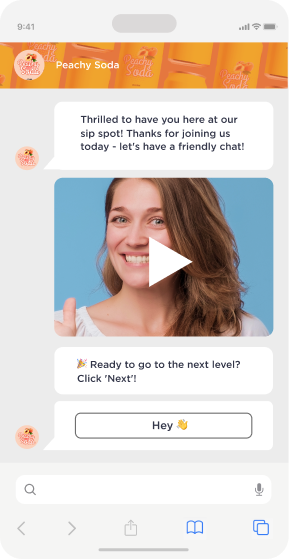
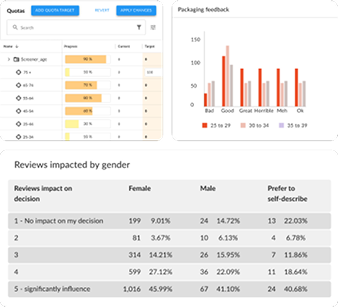
Single- and multi-select questions were remarkably consistent across both methods. The data points showed small, statistically insignificant differences, suggesting that a conversational format does not distort core measures. It preserves data integrity while providing a better respondent experience (and richer outputs).

“I like it and it’s not like I’m just filling out a quiz in the back of a school classroom. It’s like I’m actually having a conversation.”
“It felt like just a regular text conversation. That made me feel more invested in it and I felt comfortable, like I was texting a friend.”
“It feels more like a conversation. Questions pop up more quickly than having to wait for the page to change, and the format of the questions does not change.”