


If you work in insights, you've probably had a version of this conversation: someone at a dinner party asks what you do, you say "market research," and they nod politely while clearly wondering if AI has already replaced you.
Here's the honest answer: not yet. But the job? That's a different story.
Anthropic — the company behind Claude — recently introduced a way to measure AI displacement risk called "observed exposure." Rather than speculating about what AI could automate, they tracked what it's actually automating in real workplaces. Market research and marketing specialists landed in the top five most-exposed occupations, right alongside computer programmers and customer service reps.
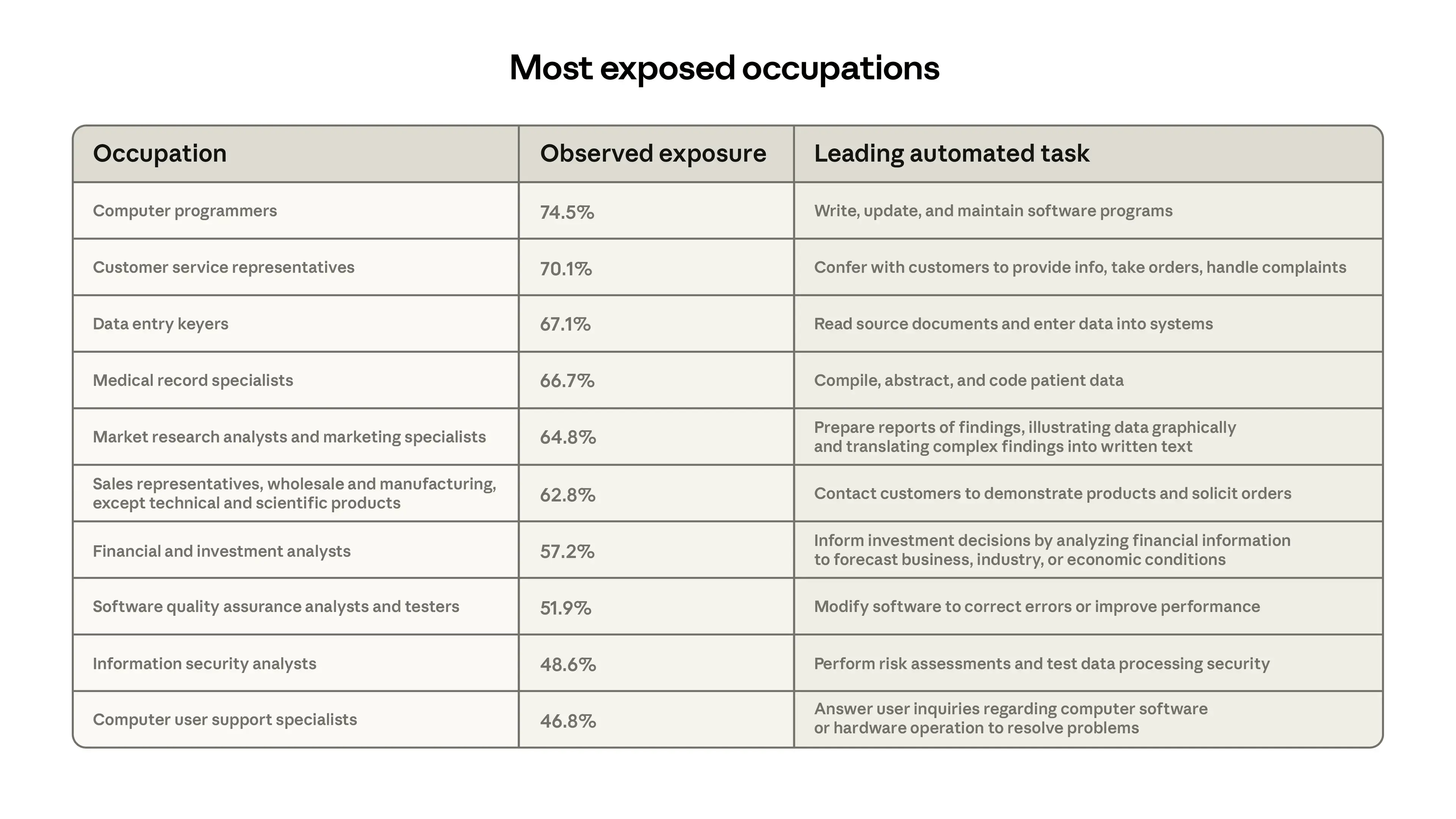
The report notes that jobs haven't disappeared — at least not yet. But the work looks different. And the gap is closing faster than most people realize.
How is AI changing the role of market researchers?
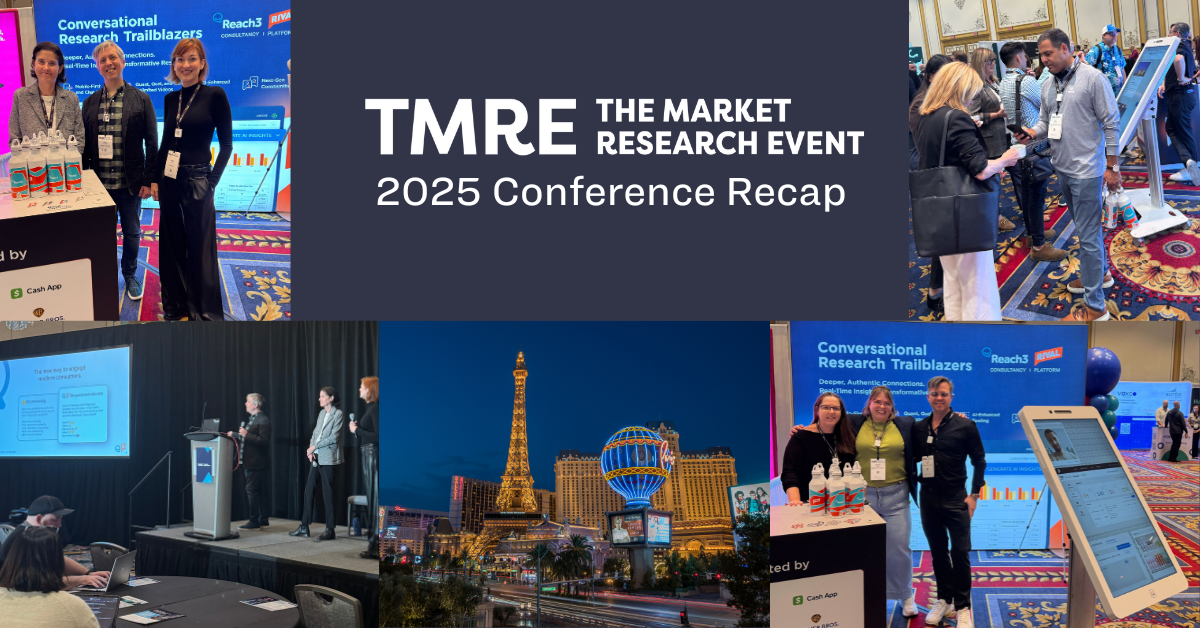
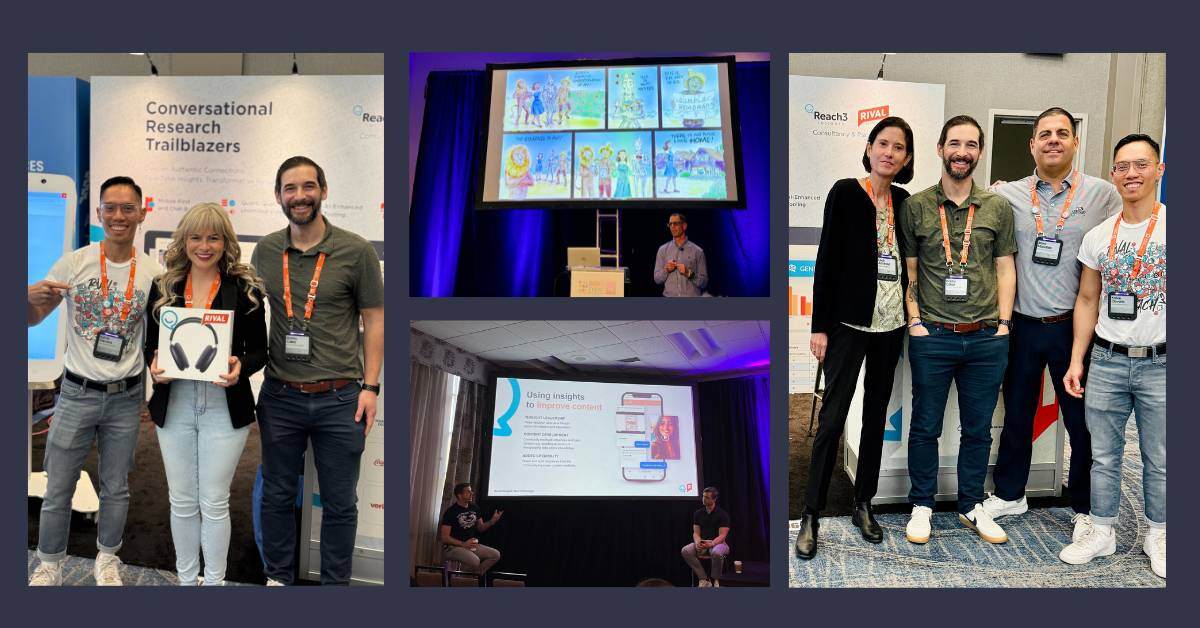
During a recent Quirk's AI discussion, insight leaders from Sekisui House, Supercell, Reach3 Insights, and Rival Technologies got candid about what AI is doing to their day-to-day. Inspired by those conversations, Rival Technologies ran a follow-up study to find out what was shifting among researchers — and why.
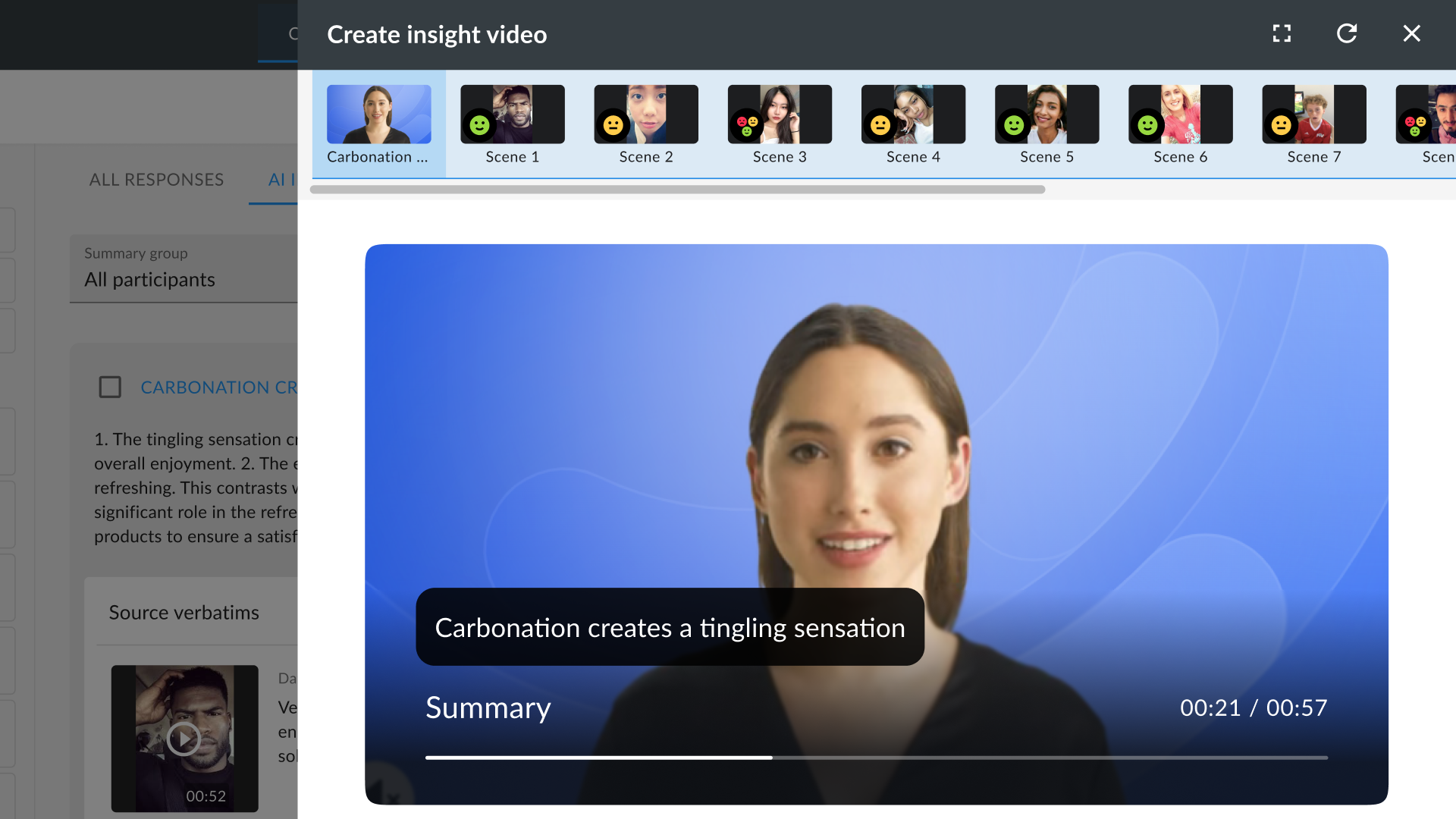
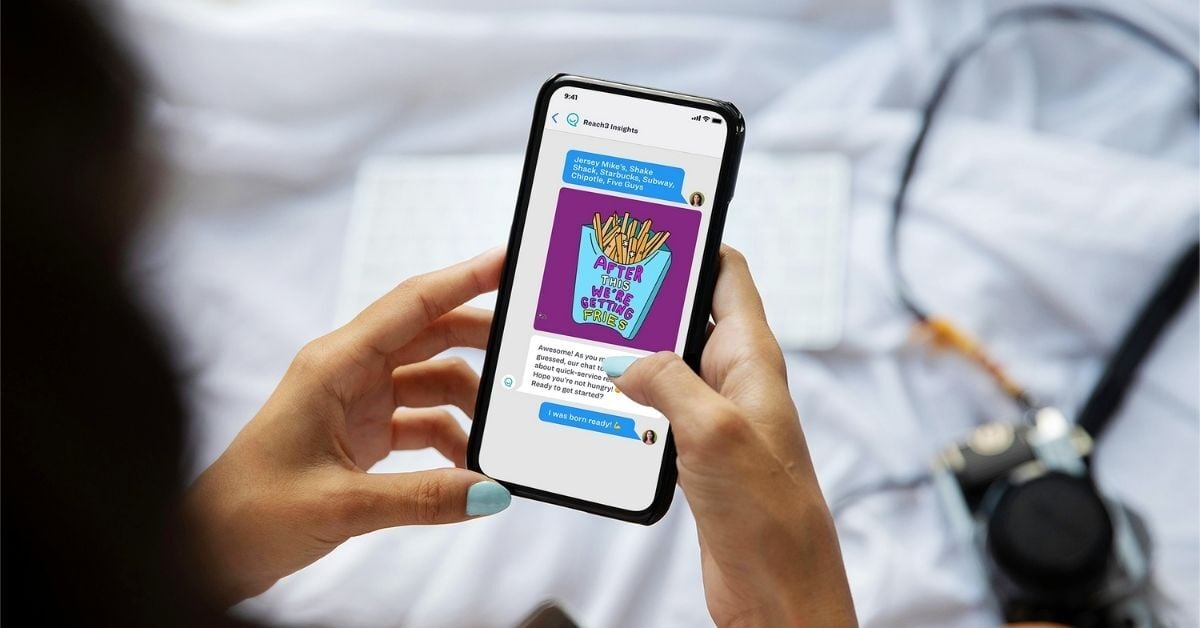
The study was fielded on Rival's conversational market research platform using Smart AI Probing and Thoughtfulness Scoring, a combination that surfaces meaningful follow-up questions only when the response warrants it. Themes were then identified using Rival's AI Summarizer.
The findings were telling. More than 56% of respondents said they're "fairly" or "very" proficient in AI. Six in ten said their team has integrated AI into at least some workflows. This isn't an industry quietly hoping the trend passes. Researchers are in it.
What's changing in the life of market researchers
From doing to managing
Survey writing used to be a craft project. Now it's an editing sprint. Researchers describe using AI "like a sparring partner" — not handing over the wheel, but moving faster because there's a capable co-pilot. As one researcher put it: "I use AI to support insights I've already identified, so I'm editing those supporting points instead of writing them from scratch."
The mental model has shifted. AI is the junior researcher who drafts quickly and synthesizes at scale. You're the senior one deciding what's worth saying.
During our Quirk’s AI session, Jason Jacobson, Senior Director of Consumer Insights at Sekisui House, put it directly: "AI has enabled me to think about how I package my insights and my deliverables to who the stakeholder is and deliver multiple packages, which helps us have more influence and impact."
That's not research work. That's influence work.
From data wrangler to storyteller
For years, a huge chunk of market research was unglamorous compilation: coding open ends, cleaning data, organizing transcripts. It wasn't why anyone got into the field. That territory is shrinking fast.
Eighty percent of researchers said AI's biggest impact has been speeding up analysis and synthesis. Nearly half said it helps with data cleaning and prep. Qual research especially has been transformed — AI moves through open-ended responses and video feedback at a pace that simply wasn't possible before. "My work has become faster and more efficient, especially in open responses, data processing, and sample management," one researcher said.
What's left when the grunt work clears? Interpretation — and using effective storytelling techniques to drive impact. Connecting findings to business context. Deciding what matters and why. That's the job now.
From order-taker to strategic pressure-tester
Fifty-five percent of respondents said AI has improved their idea generation — but the more interesting shift is how.
Researchers describe using AI to stress-test conclusions, generate alternative angles, and challenge their own thinking before anything reaches a stakeholder. "I'm bolder with ideas because we can pressure test them."
This changes the researcher's posture from reactive to proactive. The process now includes actively interrogating what AI surfaces, not just using it as a faster search engine. There's a flip side: some researchers describe feeling genuinely overwhelmed — more ideas, more angles, more to sift through. "My work feels more intense because now there are 10,001 ideas when before it was more organic." More signal, more noise. The job is learning to tell the difference.
What AI hasn't changed in market research and customer insights
Here's what keeps showing up across the research, stated different ways by different people: "I rely on myself to know what's most important." "There's less manual coding, but definitely more checking." "I can't blindly trust the work it produces."
AI is excellent at clustering themes and drafting summaries. Deciding whether those themes actually matter to the business — whether the insight will land, whether the framing holds up — that's still entirely human work.
The researchers who are thriving aren't the ones who handed the keys over. They're the ones who stayed in the driver's seat while the car got a lot faster.
The bottom line: AI is here and market research is adopting
AI is clearly not just another market research trend.
At the same time, the insights role isn't disappearing. It's compressing in some places and expanding in others. Routine work moves faster. Interpretation carries more weight. And getting insights to actually travel inside an organization — to change how decisions get made — requires more intention than ever.
The advantage will go to teams who treat AI as infrastructure while doubling down on the judgment and context no model can replicate. The job description has changed. That's not a threat. It's an opening — if you're paying attention.
👉 Looking for ways to use AI tools to improve your research? Book a demo with Rival Technologies to see how we can help!




.jpg)