


What CRC 2026 revealed about AI and the changing role of insights
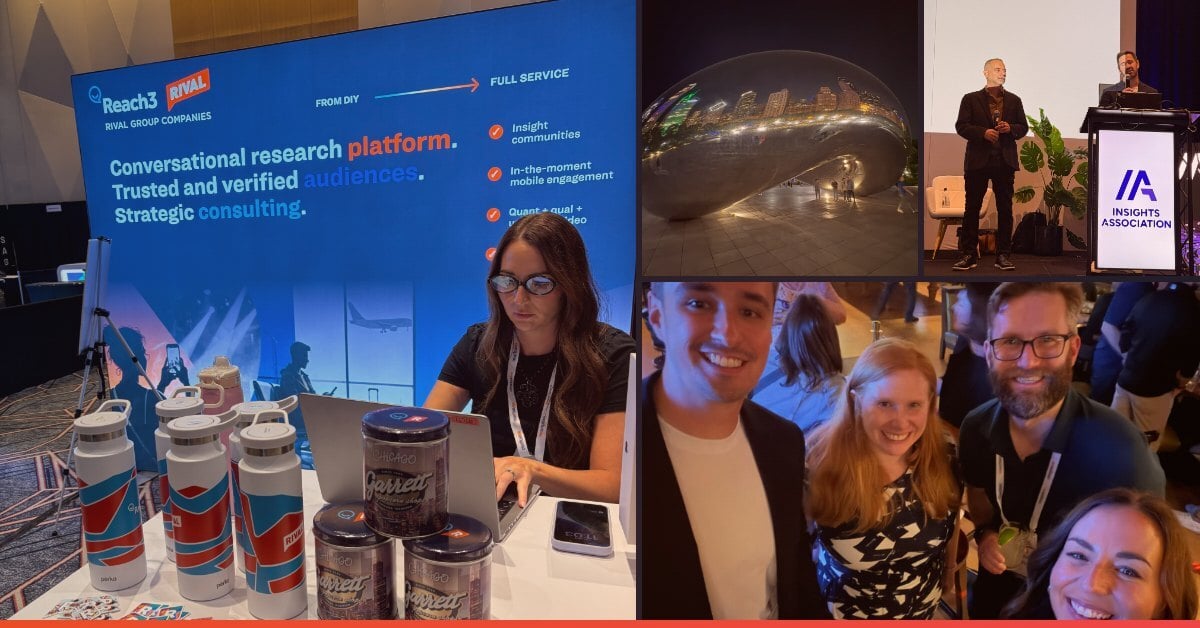
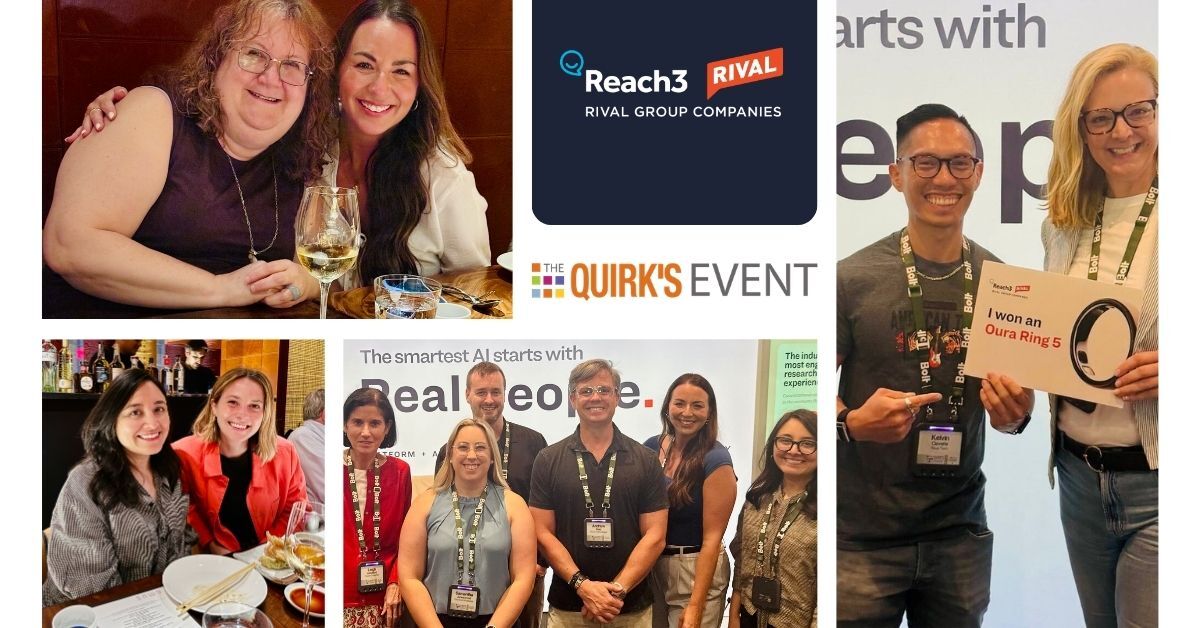
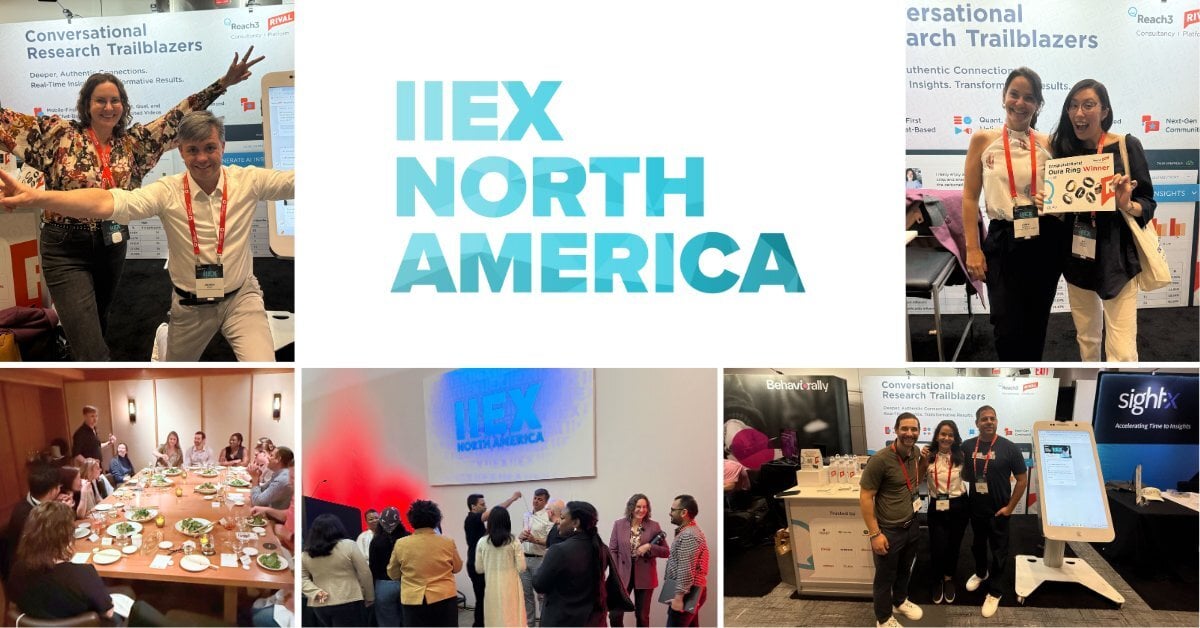
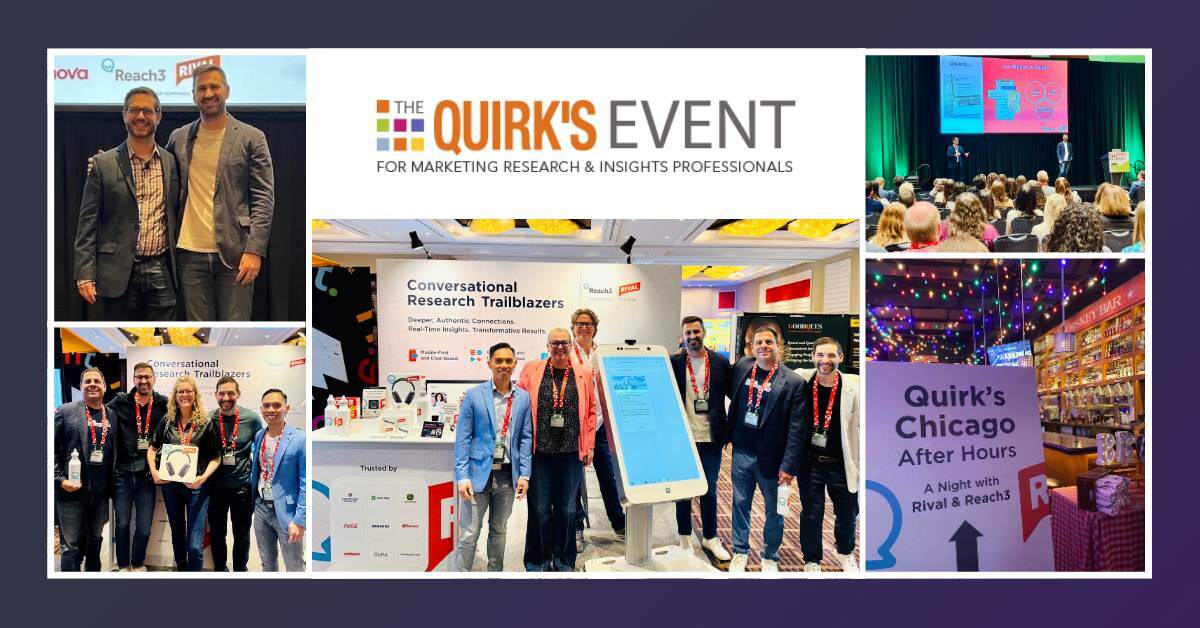
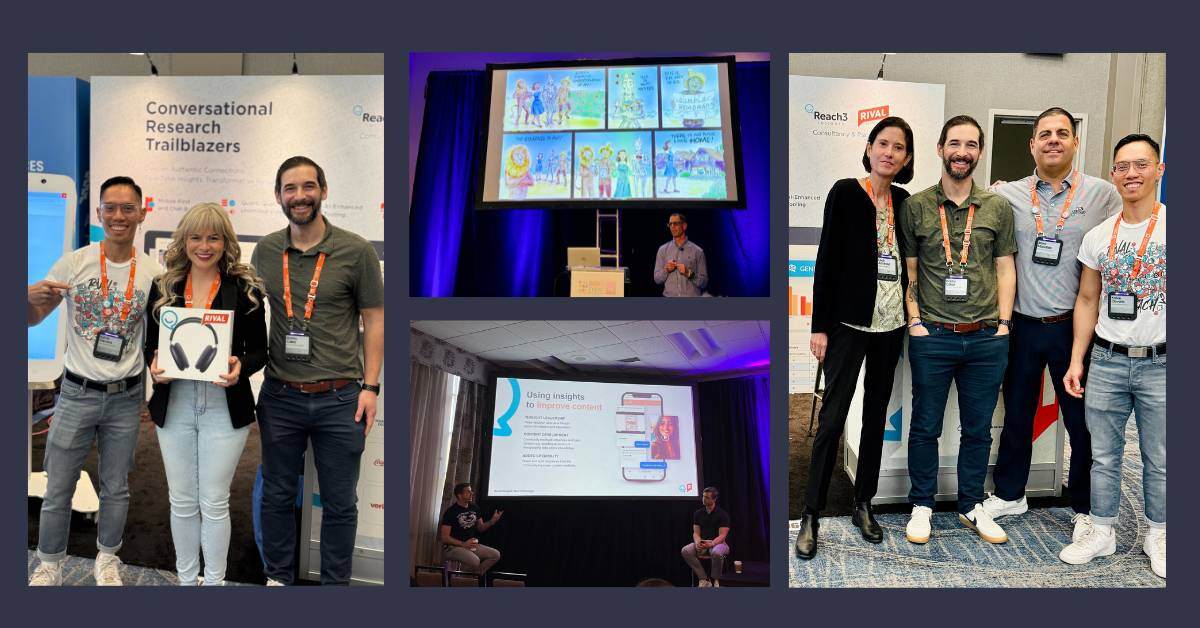
The teams from Rival and our sister company were fortunate enough to attend this year's Insights Association Corporate Researcher's Conference (CRC) in Chicago, At CRC 2026, the sessions ranged from AI-powered intelligence systems to brand memory, non-obvious thinking and executive influence. The topics were different, but a consistent message emerged: producing an answer faster is not the same as helping a business make a better decision.
What stood out was how often speakers returned to the work around the research: defining the decision, connecting different sources of evidence, applying business context and measuring what happened after a recommendation was implemented.
Five takeaways from CRC 2026
Short on time? Here are the 5 key takeaways we got from attending this year's conference. We'll dive into each insight further down in the blog.
- Decision readiness matters more than raw speed. Research creates value when it clarifies a decision, not just by arriving quickly.
- Continuous signals need human explanation. Digital and behavioral data can show where something is changing; primary research is still needed to understand why and determine the right response.
- AI increases capacity but context determines value. Automation can compress the process, but researchers still need to judge what matters, recognize weak output, and add business context.
- Modernization should not discount history. When marketing an established brand, teams need to understand the memories, cues and rituals that already shape how people experience it.
- Influence comes from focus and a point of view. More findings do not automatically create more impact, curated, actionable insights do.
Better decisions trump faster deliverables
Diane Lauridsen made the conference's most direct case for this shift in From Insights to Impact Earning and Keeping a Seat at the Executive Table. She argued that when executives ask for faster insights, what they often need is something more specific: a decision-ready recommendation. They need to understand what matters, the available choices, the trade-offs and risks, and what should happen next.
Lauridsen described two bookends that are often missing from a research plan. Before the work begins, the team should define the leadership decision the research is meant to inform. After the recommendation is implemented, it should measure the business impact. The methodology in the middle is essential, but it is not what earns influence on its own.
Her practical questions were straightforward: What decision will this change? Who needs to be involved? What will the organization do differently as a result? Asking those questions early changes how a project is framed and which stakeholders need to participate. It also makes it easier to define success before fieldwork starts.
“The future of insights is not better reporting... It’s better executive decision-making.”
— Diane Lauridsen, T-Mobile
Connected signals create a continuous learning system
In Signal Track Turning Fragmented Market Intelligence into a Real Time AI Powered Decision System, Aaron Lee of Intel and Chris Neal of Chadwick Martin Bailey showed how their team is bringing signals from social media, search, news, financial sources, product benchmarks and AI search ecosystems together between waves of Intel's brand tracker.
The goal is not to discard the human tracker. It is to detect movement sooner, understand which events may be changing brand perceptions and decide when primary research is needed. A digital signal can show that something is happening. A focused study can explain whether the target audience noticed, how perceptions changed and how the business should respond.
This is a more useful way to think about always-on intelligence. It is not a dashboard that produces a constant stream of numbers. It is a system that helps the team recognize when a new question deserves attention and connect that question to the right form of research. The future described on stage was hybrid: continuous signals for awareness, human research for explanation and judgment.
AI makes human judgment more important
AI appeared in nearly every part of CRC, but the most credible conversations were specific about where it helps and illuminated where it falls short. AI can recognize patterns across messy sources, accelerate analysis and remove operational bottlenecks but cannot reliably supply on its own is a working knowledge of the business or the judgment to know which findings deserve attention.
That tension came through in the closing panel, Beyond the Deliverable Building the Indispensable Insights Agency. One example involved AI recommending a revenue-maximizing airline lounge price without accounting for the lounge's actual capacity. The output may have been mathematically plausible, but it was operationally unhelpful without the business context that changed the answer.
The panel also raised a harder workforce question. If AI absorbs many of the entry-level tasks, how will the industry develop its next generation of experts? Efficiency cannot come at the expense of the knowledge required to spot poor-quality work. Teams will need more deliberate ways to teach methodology, data quality, and judgment even when junior researchers no longer perform every manual step themselves.
As AI takes on more of the production work, the human contribution moves upstream. Researchers need to frame the problem, understand the operating constraints, challenge an answer that does not make sense and decide what the evidence means for the business.
Modern research meets consumers in the moment
One session that was especially close to home was Popping the Cork: How GALLO Uses Modern Research Techniques to Drive Growth Amid Rapidly Evolving Consumer Preferences, presented by Jonathan Dore, Founding Partner at Rival’s sister company Reach3 Insights, and Alex Maggi, Senior Manager, Consumer Insights and Strategy at GALLO. The case study explored how GALLO works with Reach3 across a range of initiatives to understand changing preferences and identify new consumption occasions.
GALLO’s approach combines AI-accelerated, mobile-first research with conversational methods that blend qualitative, quantitative and video feedback. The broader lesson fits a theme heard throughout CRC: when consumer behavior is changing quickly, research needs to be flexible enough to capture experiences in the moment and rich enough to reveal the nuance behind them. The session also emphasized making insights easier for stakeholders to engage with through mobile- and video-based deliverables.
Brand modernization starts with memory
In Unpacking the Past to Create the Future Reinvigorating Established Brands Through the Power of Human Truth, Kelli Davis of Kraft Heinz and Alex Millet of Brandtrust explored what can go wrong when a heritage brand treats modernization as a visual clean-up exercise.
The familiar Tropicana packaging example illustrated the risk. Removing the orange-and-straw cue did more than change the carton. It disrupted a memory structure consumers used to recognize and understand the brand. Their work with Oscar Mayer and Maxwell House showed the other side of the challenge: familiar assets, rituals, and promises can be reinterpreted for a new audience without discarding what people already value.
“When you think about modernization, it becomes erasure when you remove the cues consumers use to recognize and connect with your brand.”
— Kelli Davis, Kraft Heinz
Their framework was useful for marketing teams who have been given the directive to modernize a legacy brand. First, understand where the brand lives in people's memories, emotions and stories. Then decide what to preserve, what to reinterpret, what to invent and what to stop doing.
The session also made a broader point about organizational memory. Foundational learning needs to survive changes in teams, agencies and leadership. Davis described consolidating the work into a shared foundation that could travel across strategy discussions and help new stakeholders understand why certain brand cues matter.
Influence depends on curation
Rohit Bhargava opened the conference with How To Be A Non Obvious Thinker And See What Others Miss. His starting point will be familiar to most researchers: a team can do rigorous work, present a strong insight and still watch the business do something else. Evidence does not automatically create attention or action.
Bhargava's SIFT method offered four habits for seeing what others miss: create space to notice more, seek insights through observation and unfamiliar perspectives, find focus through curation, and look for the twist or overlooked option. The framework treats creativity as a practice rather than a personality trait.
For insights teams, the curation step may be the most important. More data and faster synthesis make it easier to produce a long list of findings. Influence comes from deciding which one matters now, connecting it to the choice in front of the business and presenting a point of view clear enough to act on.
The importance of humans in insights
CRC 2026 made a persuasive case that the insights function is not becoming less human as the technology improves. Its human contribution is becoming more visible. While tools can accelerate the work and broaden access to evidence, corporate researchers still play a pivotal role in helping bring the right insights and people together to help the business act with confidence.