


Engage Diverse Audiences with 3 Key Research Principles

Increasing the diversity of people participating in market research is arguably one of the most important challenges facing the insights industry today. To get an accurate understanding of the attitudes, emotions and behaviors of consumers, market researchers need to talk to people that reflect the views and perspectives of modern consumers. Hearing from people from different generations, gender identities, ethnicity, sexual orientation, worldview, and experiences is critical to having a holistic understanding of the consumer landscape.
At Rival, we’ve developed a playbook that allows our customers to recruit insight communities that closely align with their audience. This playbook is based on our experience working with a wide range of companies in consumer goods, retail, media, tech, and financial services.
In a recent webinar, Jennifer Reid, CEO and Chief Methodologist at Rival Group, shared some key learnings on this topic based on our work with companies like Dell Technologies, Paramount and REVOLT TV. Check out the recording below or scroll further down for key highlights.
How to increase the diversity of your sample sets for market research:
Use inclusive tech: Go mobile-first
If you want a diverse sample of respondents, then you have to use tech that’s accessible to most people. Today, that means going mobile-first.
Mobile tech is the great “leveler” of our age. Contrary to what some may believe, mobile is not just a Gen Z thing. Whether you’re trying to reach BIPOC college students in the US or business professionals in the Philippines, mobile is a viable way of reaching and recruiting them.
Contrary to what some may believe, mobile is not just a Gen Z thing.
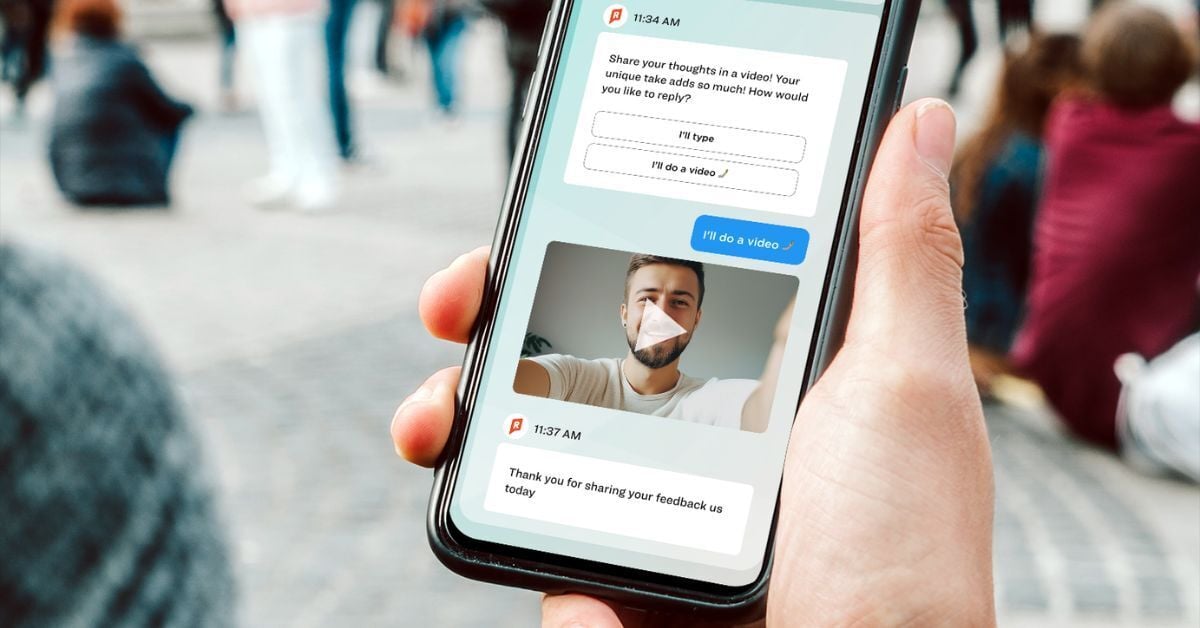
Mobile is super powerful not just for its reach but also for its ability to capture in-the-moment feedback and get people to open up. (Research from Wharton School attribute this to a phenomenon called “attentional narrowing.”) In one example, a non-profit used Rival's market research platform to engage teen girls in Rwanda about their attitudes on sexual health—a sensitive topic that would have been difficult to tackle using a conventional survey.
This mobile-first approach also works in a B2B or other more formal setting. A research-on-research conducted by our sister company, Reach3 Insights, found that 65% of doctors found conversational chat surveys done via mobile are more enjoyable to complete than traditional surveys.
Choose insight platforms that prioritize accessibility. Using market research tools that comply with Web Content Accessibility Guidelines (WCAG) can ensure that your surveys are accessible to as many people as possible.
Optimize your questionnaire: Be mindful of what you ask and how you ask it
Traditional questionnaire design can inadvertently turn people off. For example, profiling questionnaires that ask participants for all sorts of demographic questions could be off-putting to minority groups or people from various races, sexual orientations or gender identities.
Rather than starting with a demo question, Jennifer recommends starting with your most interesting questions. (There’s some important exceptions here—for example, if your company is in bev alc, you should ask for age up front to comply with regulations about legal drinking age.)
Also, avoid sending long surveys that ask for a participant’s every single demographic info. For one, it’s not a great respondent experience. And with research community features like Profile Variables, there’s really no need to do this anyway—today, you can build profiles over time in a way that’s more seamless and more enjoyable for your participants.
Your chats or conversational surveys also need to use inclusive language. When it comes to ethnicity and race, for example, the smart folks from the Insights Association’s IDEA Council have some specific recommendations based on their research:
- Ask race and ethnicity only if needed. Also, consider your objectives and audience, as well as the context of the study, to determine if these questions are really necessary.
- If you really need to ask about race and ethnicity:
- Allow multiple responses – a shorter list of options in a single-select question exclude slarge groups of people
- Offer detailed and inclusive response options – this helps people see themselves in the response choices.
- Use “prefer to self-identify” and/or include "not listed" with write-in options. Don't use “other.” Other alienates people.
- Include a “Prefer not to answer" option so participants may opt out of the question.
Final note on questionnaire design: aim to be transparent. Research participants and members of insight communities want to know why they’re getting asked to give their opinions. Sharing the mission of your research or community can help build trust and encourage people to continue to participate.
Use modern channels: Go where people are
When it comes to recruitment, we’re huge fans of a multi-channel approach. It’s faster, more cost-effective, and it brings in a more diverse group of consumers. Simply put, it delivers higher market research ROI.
As we outlined in our insight community recruitment guide, there are 3 major buckets of sampling sources available to your brand:
- Internal sources: your own email database, your brand’s social accounts, or your CRM
- Intercepts: QR codes, your company’s website, or through your own app
- External sources: market panels, social media advertising (aka "social sampling"), or influencers
We recommend tapping into a few of these channels. A multi-channel approach reduces the risk inherently associated with each sample source. For example, if you’re only relying on sample providers for river sampling and market panels, you’re at risk of talking exclusively to people who are interested in incentives or to professional survey takers. Adding people from other sources like social media can reduce this risk and add more diversity to your research.
As you’re working through recruitment, lean into your customer success team and discuss your business and research goals so you can optimize your strategy and get insights from the right group of people.
Diversity matters in market research and insights
With the consumer landscape continuing to change, the need to get real-time, accurate insights will only become a priority. Optimizing your approach to your tech, questionnaire design, and channels can help ensure that you’re hearing from people of diverse backgrounds.